Corporate Office & Lobby Sculpture: A Commissioning Guide for Facilities, Designers & Brands
A sculpture in a corporate lobby is the first sentence a visitor reads about your company — before a word is spoken. Done well, it signals stability, taste and ambition, anchors brand photography, and gives staff a landmark they are quietly proud of. Done as an afterthought, it reads as a random ornament. This guide is for facilities managers, interior designers, developers and brand teams who need to commission the right piece: where to place it, how big it should be, which material to choose, what it costs, and how the whole process runs from brief to installation.
Why a Corporate Sculpture Earns Its Space
Art in the workplace is not decoration for its own sake — it does measurable work. A signature lobby piece differentiates the brand, gives a reception a memorable focal point, and creates the “hero shot” used in recruitment, press and social media. There is also a well-documented human angle: research into the workplace environment links thoughtful design and art to civic and workplace identity and to staff wellbeing and pride of place. In short, a well-chosen sculpture pays back in brand equity, employee sentiment and the quality of every photograph taken in your space.
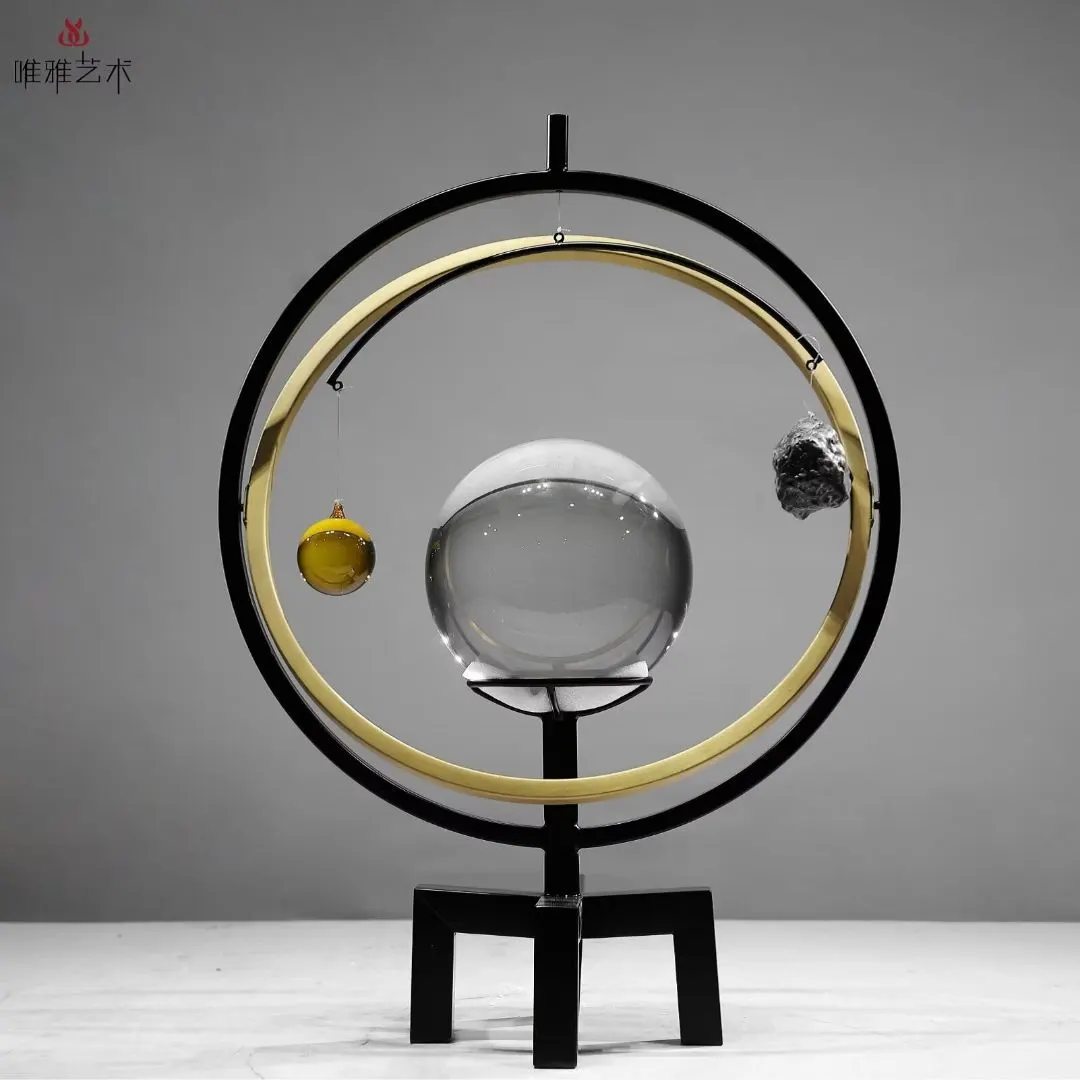
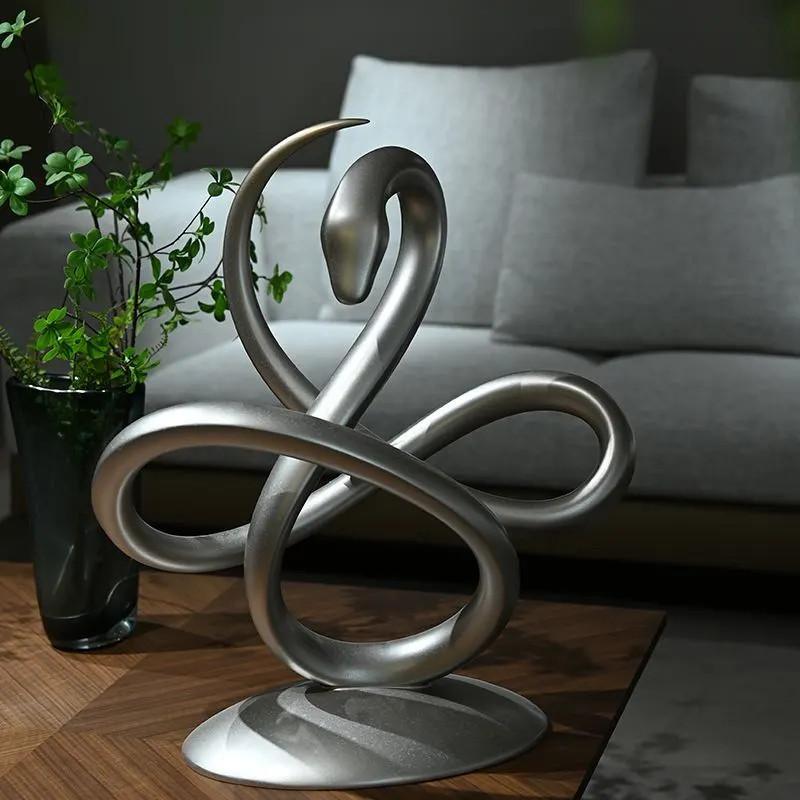
Placement: Lobby, Reception, Boardroom & Beyond
Placement is a sightline exercise. Decide what a visitor sees first, what the camera captures on a tour, and what staff walk past every day. Each zone has a different job:
| Zone | Role of the piece | Good fit |
|---|---|---|
| Main lobby / atrium | Hero statement, brand anchor | Large freestanding or suspended sculpture |
| Reception desk backdrop | Frames the first interaction | Wall relief, logo-form or metal feature |
| Boardroom / executive floor | Gravitas, discretion | Refined tabletop or mid-size bronze/steel |
| Circulation & breakout | Wayfinding, everyday delight | Series of smaller works or wall pieces |
| Building exterior / forecourt | Landmark, address identity | Weatherproof metal, GFRC or FRP landmark |
Getting the Scale Right
The most common mistake is a piece that is too small. As a rule of thumb: in a double-height lobby, plan for roughly 1.8–2.7 m (6–9 ft); against a standard ~2.7 m ceiling, a piece of 1.2–1.5 m on a plinth reads as intentional. Anything under a metre tends to look like an accessory unless it is deliberately grouped or wall-mounted. Always test scale against real sightlines — a full-size cardboard or foam mock-up on site costs little and prevents an expensive misjudgement.
Choosing the Material
Material sets the maintenance contract for the next few decades, and the message. This is the shortlist we build corporate work from:
| Material | Reads as | Best for | Care |
|---|---|---|---|
| Stainless steel | Modern, premium, precise | Lobbies, exteriors, mirror/brushed statements | Very low |
| Bronze | Timeless, prestigious | Boardrooms, heritage brands, figurative work | Low (occasional wax) |
| Fiberglass (FRP) | Bold, colourful, lightweight | Large brand mascots & sculptural forms on a budget | Low |
| GFRC / stone | Solid, architectural | Facades, forecourts, permanent landmarks | Low |
| Custom IP / brand form | On-brand, storytelling | Companies with a mascot, logo or narrative | Depends on material |
The Commissioning Process — What to Expect
A professional commission follows a predictable path. Bringing the sculpture into the fit-out conversation early is the single biggest lever on a good outcome.
A clear brief covers the message (what should a visitor feel?), the space (dimensions, sightlines, lighting, floor loading), the brand (palette, logo, any story) and the constraints (budget, deadline, access). For the full mechanics of commissioning custom work, see our how-to-commission guide.
From concept render to installed piece — how a commission is built.
Bespoke vs Ready-Made
Commissioning a bespoke piece is the right call when at least one of these is true: the wall or floor space is genuinely non-standard; the brand has a specific story a generic piece cannot carry; or the client wants something that can relocate with them and last decades — which points to durable materials such as stainless steel, bronze, GFRC or stone. If none apply and the timeline is tight, adapting an existing design (recoloured, rescaled, re-based) is faster and cheaper while still feeling considered.
Budget & Timeline
Cost is driven by material, size, complexity and finish, and — for figurative or highly detailed work — the sculpting hours. Bronze casting, stone carving and large stainless fabrication all take time, plus crating, freight and on-site rigging, so a realistic timeline is several weeks to a few months depending on material and scale. Budget the whole journey, not just the sculpture: design development, structural base or fixings, lighting, insurance, freight and installation are all part of a landmark commission. Some jurisdictions even mandate art budgets in commercial development through percent-for-art programmes.
Installation & Facilities Considerations
- Floor loading & fixings. Heavy pieces need verified floor capacity and an engineered base or anchor — coordinate with the structural engineer early.
- Access. Confirm door widths, lift dimensions and rigging routes; large works ship in sections and assemble on site.
- Lighting. Dedicated accent lighting transforms a sculpture — plan it into the ceiling and electrical layout.
- Safety. In public lobbies, avoid sharp edges at circulation height and ensure suspended pieces are engineered and certified.
- Maintenance. Agree a simple care schedule so the piece still looks new in ten years.
Planning a lobby, reception or headquarters piece? Weiya Art designs and fabricates custom corporate sculpture in stainless steel, bronze, fiberglass, GFRC and brand-specific forms — from concept render to crated, installed landmark, worldwide.
Frequently Asked Questions
How big should a lobby sculpture be?
In a double-height lobby, aim for roughly 1.8–2.7 m; against a standard ~2.7 m ceiling, about 1.2–1.5 m on a plinth reads as intentional. Under a metre usually looks like an accessory. Always test with a full-size mock-up on site.
Which material is best for a corporate sculpture?
Stainless steel and bronze are the workhorses for premium, low-maintenance indoor and sheltered outdoor work. Fiberglass suits large, bold or colourful brand pieces on a tighter budget; GFRC and stone suit architectural, permanent landmarks. The right choice depends on the message, location and maintenance appetite.
How long does a corporate commission take?
Typically several weeks to a few months, depending on material, size and detail, plus crating, freight and installation. Bronze, stone and large stainless take longer. Engaging the artist during the fit-out design stage keeps everything on schedule.
Should we commission bespoke or buy an existing design?
Commission bespoke when the space is non-standard, the brand has a story to tell, or you want a lasting, relocatable landmark. If the timeline is tight and needs are standard, adapting an existing design (recolour, rescale, re-base) is faster and more economical.
Can the sculpture reflect our brand or logo?
Yes. We regularly build brand-specific and IP-based pieces — abstracting a logo, mascot or company story into a sculptural form. See our guide to brand mascot and IP sculpture for how that is developed.
Do you handle international delivery and installation?
Yes. We crate for sea or air freight, manage export documentation and Incoterms, and can support or supervise on-site assembly and installation for large works.