Hotel Sculpture Delivery Access: A Route Survey Guide
For hotel procurement teams, designers and owner representatives: a sculpture can suit the lobby visually while its delivery route remains unverified. This guide helps you request and organize the information the venue and appointed handling team need before agreeing a movement, rather than improvising when the shipment arrives.
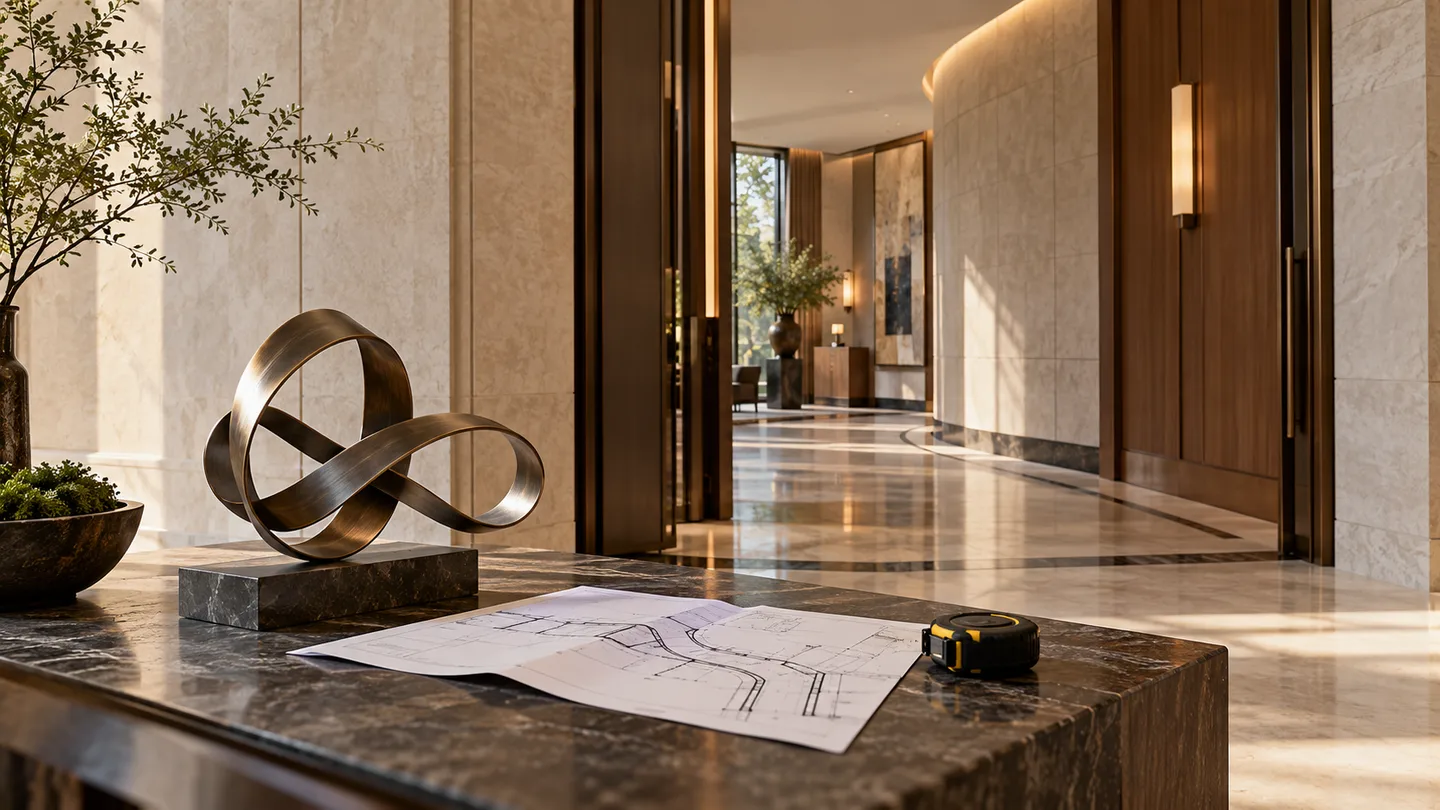
Start with the receiving boundary and the final position
Hotel sculpture delivery access is a route question, not just a doorway measurement. Name the receiving point, the intended final location and who owns the movement between them. A freight quotation ending at a loading area does not automatically include unloading, travel through the building, assembly or placement. Record these boundaries before asking the supplier whether the piece will fit.
Use a route identifier and an issue date so the hotel, buyer, fabricator and appointed handlers discuss the same journey. Mark the route on a current plan and connect it to site photographs. If the final position is still provisional, say so. A survey for a ground-floor lobby should not silently become approval for a later upper-floor location.
The installation discussion in Evolution Scenic’s logistics guidance connects access constraints with fabricated modules and venue rules. Our hotel-specific application is to join those observations to a buyer’s responsibility record. We are not adopting its engineering methods or promising that Weiya supplies the transport equipment or installation scope described by another company.
Define what will actually travel through the hotel
Request the proposed transport configuration rather than assuming the finished sculpture will move as a bare object. It may travel in a crate, on a supporting frame or in coordinated sections. Ask for the external dimensions, relevant weight information, orientation and handling assumptions of that configuration, with a clear status: preliminary, confirmed or awaiting review. Do not replace missing supplier information with a number inferred from a photograph.
The moving combination may also include a trolley or other specialist equipment and the space needed to operate it. The appointed handling team must assess those requirements. A narrow-looking base does not tell you the maximum envelope of an extended arm, loop or projecting feature. Changes of orientation can introduce a different height or turning problem, so an apparent width advantage is not a complete feasibility check.
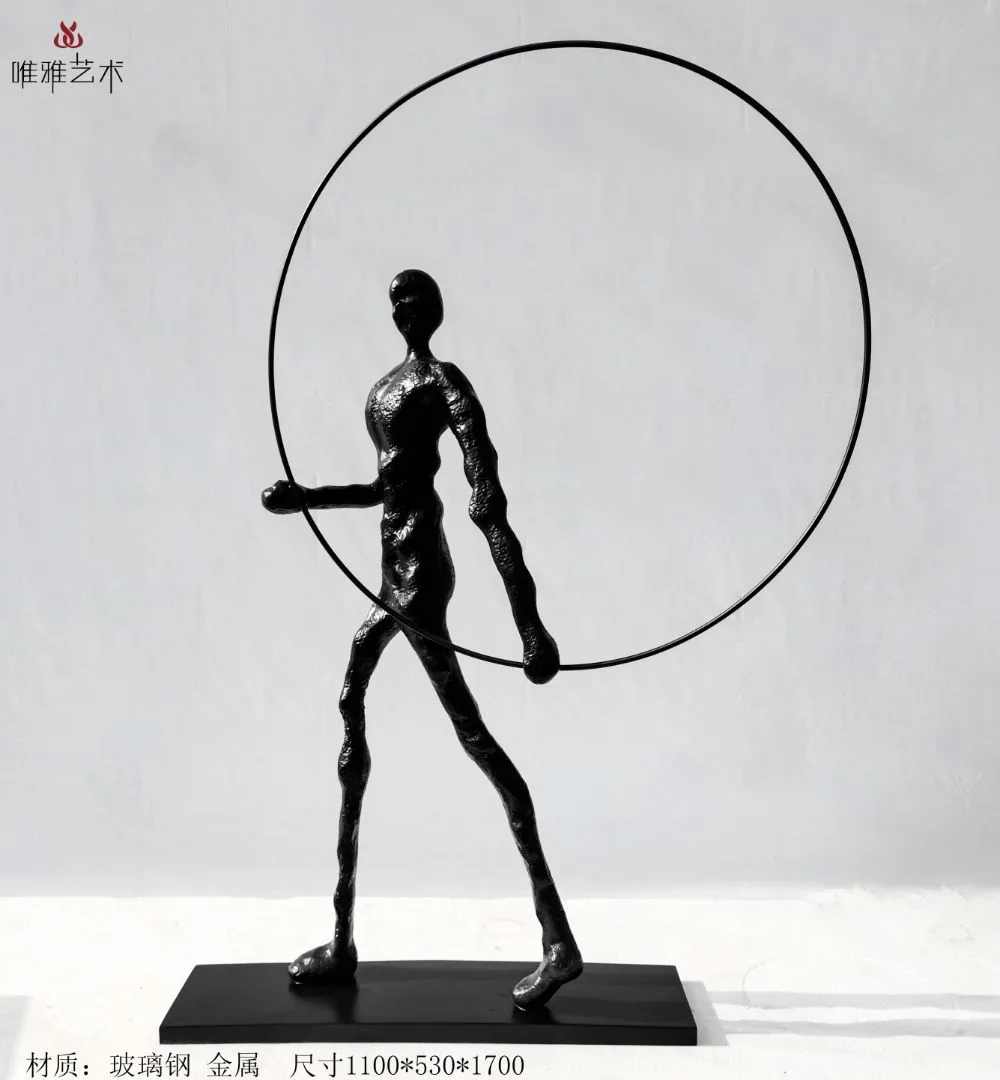
Keep the artwork, packaging and handling records linked but distinct. If the packer proposes removing a crate at an intermediate point, identify the protected working area, who authorizes that step and the revised moving configuration. Do not treat uncrating in a guest route as a convenient default. The venue and handling team need to agree a workable arrangement before the delivery is released.
Survey the route as a chain of connected nodes
Walk the intended route with the venue representative and the people appointed to assess the movement where practical. Give the receiving area, doorways, corners, lift approach and final-position approach their own node references. Record clear conditions at the time of the visit rather than copying nominal dimensions from an early architectural plan. Include protruding hardware, ceiling changes, columns and other relevant restrictions in the evidence pack.
| Route node | Information to collect | Review or unresolved action |
|---|---|---|
| Receiving point | Arrival arrangement, usable area and access window | Confirm the agreed handoff and receiving owner |
| Door or opening | Clear opening, hardware and immediate approach | Identify who verifies measurements and movement |
| Corner / corridor | Connected geometry, obstacles and overhead restrictions | Have the proposed travelling combination assessed |
| Lift approach and cabin | Doorway, cabin, landing geometry and venue information | Obtain the relevant venue and specialist review |
| Level / surface transition | Steps, thresholds, gradients and finished surfaces | Assign protection and technical questions |
| Final approach | Working area, surrounding fit-out and interface readiness | Confirm the placement boundary and open dependencies |
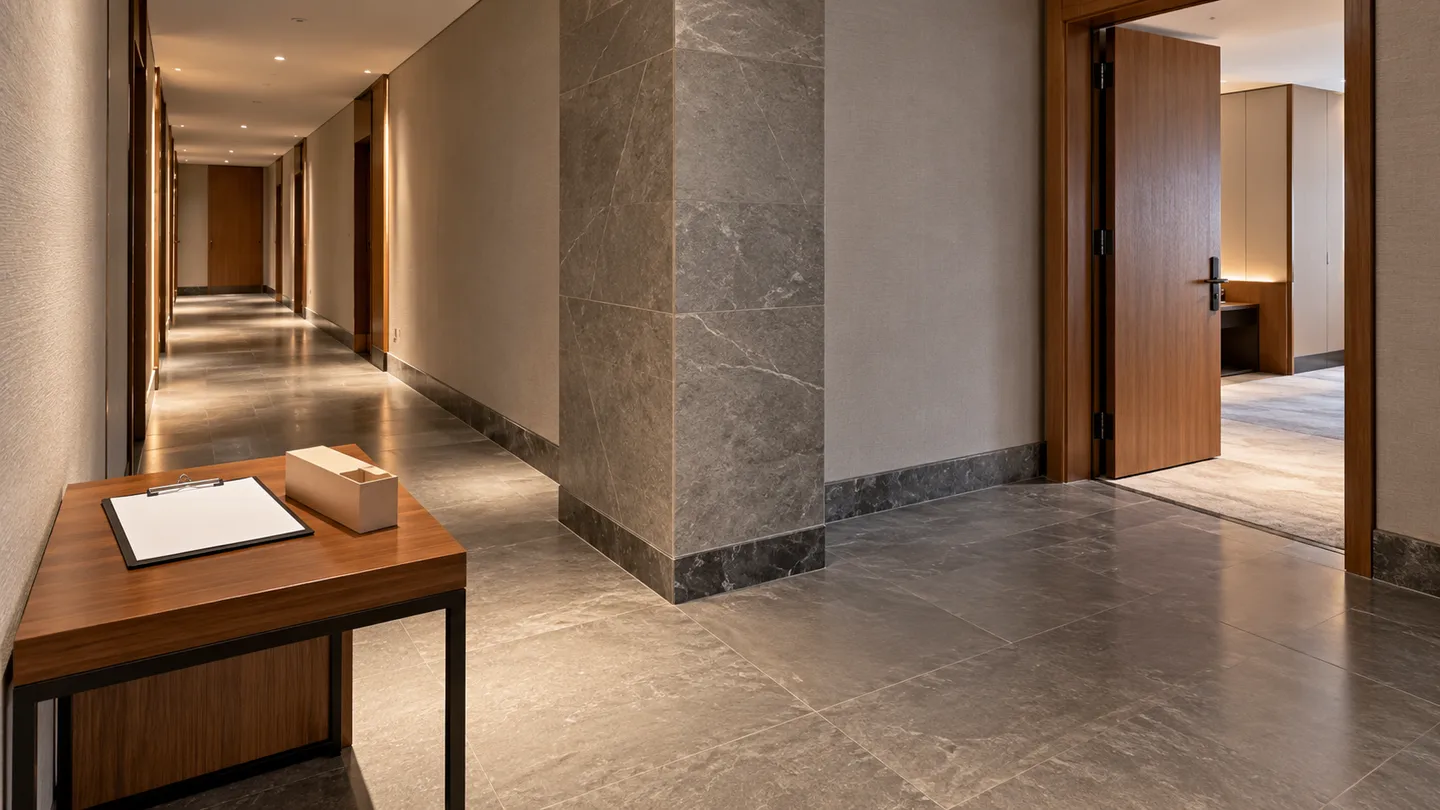
What Make Art’s site-visit guidance pairs route observations with measurements and photographs. Use photographs to explain what was measured, not to calculate a trustworthy clearance from perspective. Keep a photo identifier, the measurement basis, the date and the person who recorded it together. If an area was inaccessible during the visit, show it as unverified rather than smoothing over the gap.
Treat lifts, floors and protection as separate review questions
A service lift needs more than a capacity figure. Ask the venue for the relevant information and restrictions, then have the actual configuration assessed by the appointed team. Door openings, cabin geometry, approach turns and the intended load arrangement are separate inputs. Avoid saying “the lift is large enough” because one dimension appears generous while the approach remains unknown.
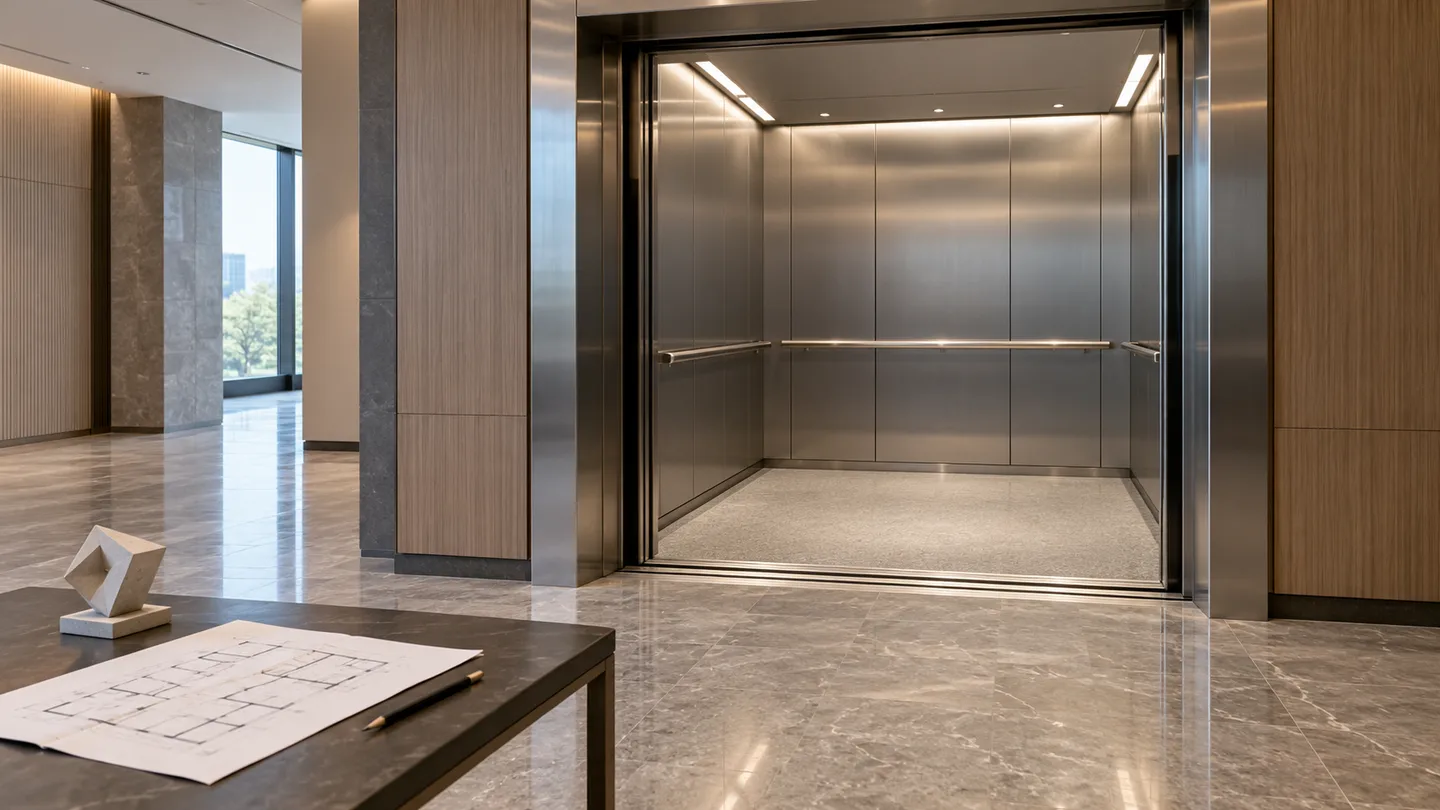
Likewise, a floor finish and the supporting structure answer different questions. Ask who reviews the proposed route’s technical suitability and who agrees the protection of finished surfaces. A protective layer is not evidence of structural capacity, and a structural review does not automatically settle how a delicate surface will be protected. Keep the proposed equipment and contact conditions within the responsible team’s assessment.
A useful historical example is Davis Trackhire’s Whiteleys case: the contractor describes a sculpture installation whose equipment route passed through a lobby and required particular protection and access planning. That is another company’s reported project, not a Weiya case. Its specific equipment and protection arrangement are not a transferable specification for your hotel.
Plan around the hotel that will be operating on the day
Ask the venue to identify delivery bookings, access control, guest circulation, working-hour restrictions and the practical space available for receiving or temporary storage. A route that is geometrically available may not be operationally available during the requested window. Obtain the actual venue agreement rather than assuming an overnight delivery removes every conflict or that staff will be available outside their normal arrangement.
Identify who receives the vehicle, who checks the delivered items against the agreed list, who controls the working area and who can authorize the next movement. Record escalation contacts for missing information or a changed condition. Keep the communication chain practical: the buyer should know which person can resolve a venue access question and which person must assess a technical change.
A rejected access assumption can affect fabrication as well as delivery. Discuss whether an alternative packaging arrangement, a reviewed sectional design or another route is feasible. Do not have site staff improvise a field modification to make the schedule work. The designer, supplier, venue and appointed specialists must assess the consequences within their actual scopes. Hedley’s specialist handling description similarly starts with a site assessment; its service assurances are not an engineering conclusion for your project.
Keep one controlled access and handoff record
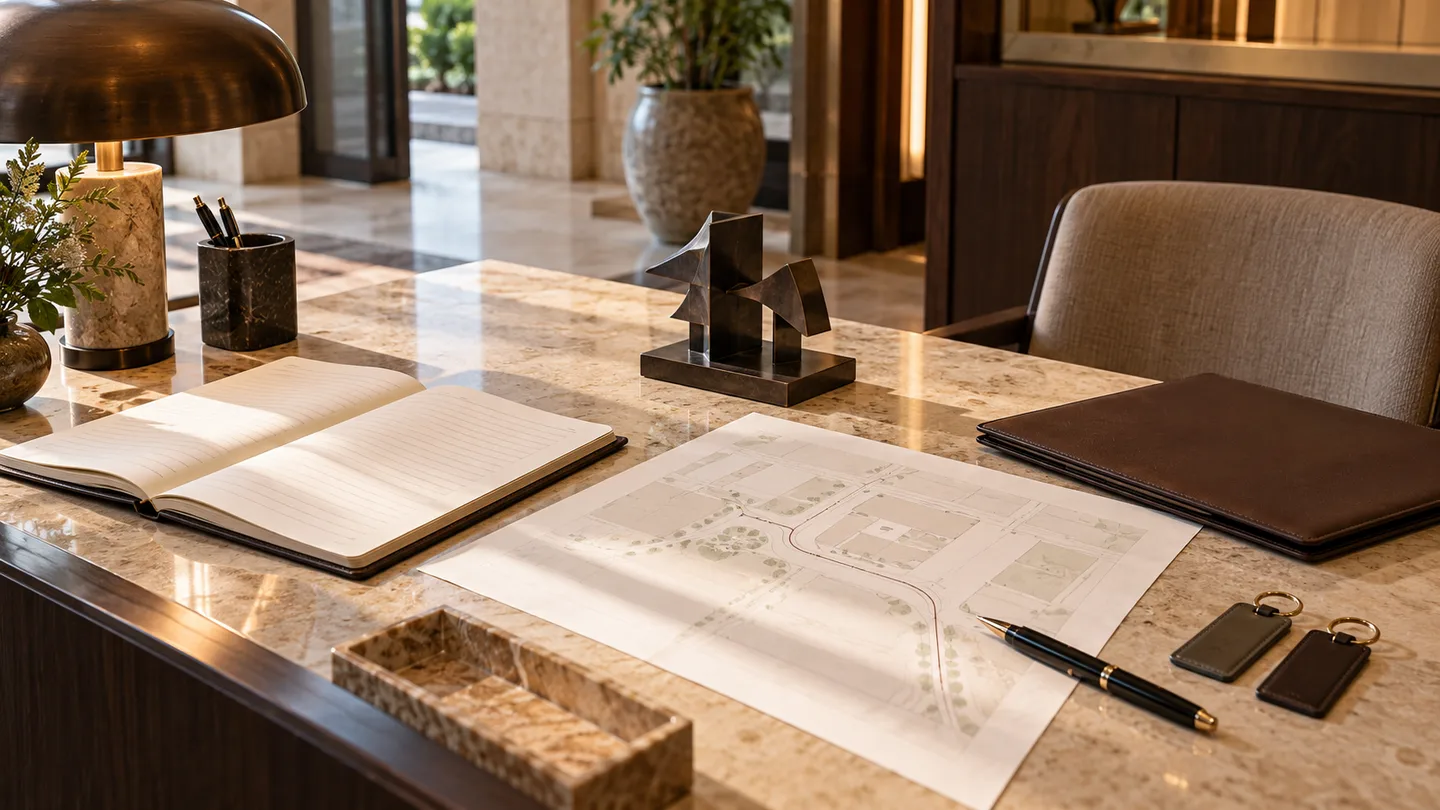
Consolidate the survey into a short package that others can use: route plan, node table, relevant photographs, transport-configuration reference, venue restrictions, responsible parties and unresolved actions. Separate verified facts from proposed arrangements. Attach specialist documents by reference rather than copying selected figures out of context. A green tick should mean a named decision has been made, not merely that somebody has received the email.
Before dispatch, ask the responsible parties to confirm whether the surveyed conditions still apply. Later fit-out, a new obstruction, changed equipment or a revised arrival window can invalidate part of the record. State which affected work is held until the change is reviewed. A completed survey is useful evidence for coordination; it is not a permanent guarantee that every later delivery arrangement is feasible.
Use the survey worksheet before fixing the delivery promise
Illustrative scenario, not a completed Weiya commission: a buyer has checked a sculpture’s bare width against a hotel entrance, but the proposed crate and the turn beyond the doorway have not been assessed. The route worksheet marks both inputs open, names the supplier and venue contacts, and requests the travelling configuration and connected geometry. It does not declare success because the entrance photograph looks spacious.
If a different arrangement is proposed, the team reviews its effect on protection, design, equipment, commercial scope and the receiving window. The authorized parties then confirm the actual work that may proceed. Recording that decision early is more useful than promising an installation date while the route still depends on an unanswered question.
Download the hotel sculpture access survey worksheet (.csv). It provides route-node, evidence, verification, action-owner and status fields. The blank sheet does not calculate capacity, prove a fit or supply a handling method.
Connect the findings to the RFQ input checklist, the quotation scope worksheet and the drawing approval record. Our sculpture shipping overview covers the wider transport discussion; this survey addresses the hotel route and handoff within it.
Discuss a sculpture with a documented route
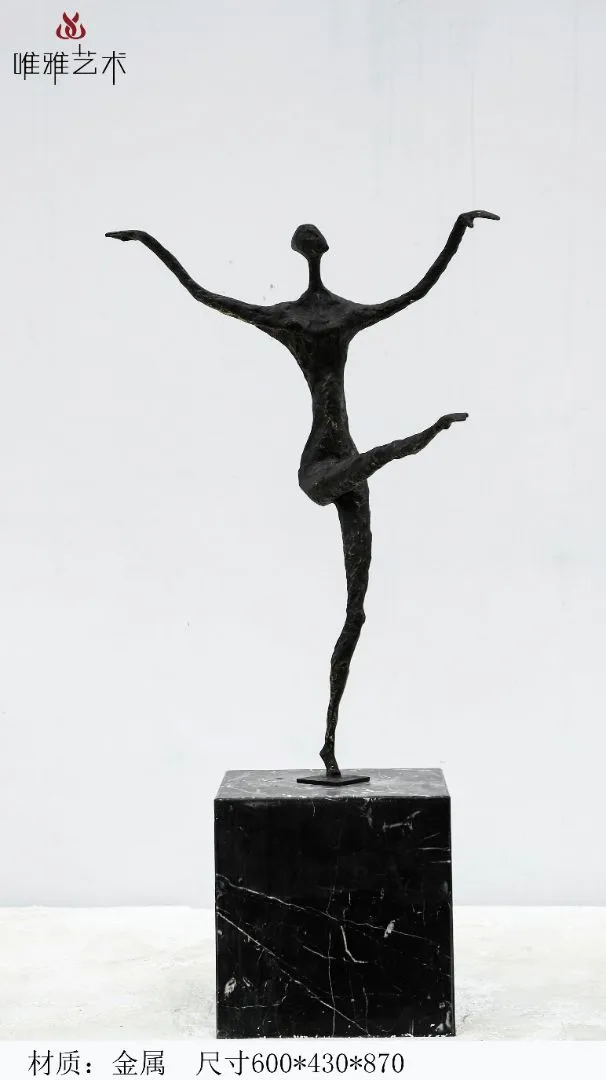
Browse metal-alloy sculpture references and pedestal references, then send the current artwork reference, intended position, route evidence and open access questions. Request a scope that distinguishes fabrication, packing, transport and site responsibilities.
Frequently asked questions
What should a hotel sculpture delivery access survey contain?
Record the complete route from the agreed receiving point to the final position, including clear openings, turns, lift access, changes of level, relevant surface restrictions and the operational delivery window. Link each observation to evidence, a date and a responsible person, and keep unconfirmed information explicitly open.
Is the sculpture’s catalogue size enough to check the route?
No. Ask for the proposed travelling configuration, including packaging, supports, handling equipment and any planned change of orientation. The responsible handling team must assess the actual movement; a simple comparison of artwork width and doorway width cannot establish that it fits safely.
Does an elevator’s stated capacity confirm that a sculpture can use it?
No. The appointed team and venue need to review the actual load arrangement, doorway, cabin, approach, restrictions and relevant technical information. A capacity label alone does not establish route feasibility, floor suitability or an approved handling method.
Who should verify the site measurements?
Agree who performs the survey, who confirms the venue’s information and who assesses the proposed movement. The hotel coordinator can collect records without becoming the engineer or handling specialist. Name the responsible parties and keep their review boundaries visible.
Can access restrictions change how the sculpture is fabricated?
They may lead the team to review packaging, transport orientation, sectional construction or another route. Each option needs the appropriate design, technical and commercial review. Do not authorize a split or a field modification without understanding its effect on appearance, assembly and responsibility.
When should the survey be checked again?
Recheck when relevant artwork, packaging, equipment, route or site conditions change, and confirm readiness before the agreed movement. Completed fit-out, temporary obstructions or a revised delivery window can make an earlier survey incomplete. Keep the affected work on hold until the responsible team resolves the change.
Sources and further reading
Sources read on 25 October 2026. References support the limited observations identified in the text; our worksheets, matrices and illustrative scenarios are original editorial tools. Citations do not imply endorsement, a partnership or a shared client. Apply the actual project requirements rather than another organization’s contract or technical solution.