How to Compare Sculpture Quotations: A Scope-First Worksheet
Three sculpture quotations can describe three different purchases even when their cover pages show the same rendering. One includes model development and export crates; another assumes an approved model and stops at the factory. A useful comparison makes those boundaries visible before it makes a recommendation.

Establish what each supplier was asked to price
Put the controlling RFQ revision and file list at the top of the comparison. Record quantity by variant, artwork and overall dimensions, the proposed material, the expected finish, and the exact delivery point. If these are still unsettled, start with the sculpture RFQ checklist. A spreadsheet cannot repair a baseline that each bidder interprets differently.
Use a separate column for alternatives. A supplier may propose a different material, a different joint location or a revised delivery approach that deserves consideration. Keep it visible as an option with its own assumptions. Do not insert its lower price into the baseline row while retaining the original specification in the heading.
Log the currency, quotation date, validity period and any conditions on the schedule or price. For an internal comparison across currencies, state the conversion date and rate source you actually use. Do not disguise a provisional conversion as a fixed payable price. If those details are not available yet, keep the comparison in draft rather than inventing them.
A useful starting distinction appears in Space Sculptures’ cost guide: one-time development work, making each piece, and delivering it should be identifiable. Our worksheet extends that distinction with a status and owner for every unresolved line. It is intended to help buyers compare responses, not to rank manufacturers.

Build a scope matrix before a price ranking
Use four labels consistently. Included means the written quotation covers the item within an identified line or total. Excluded means somebody else must arrange or price it. Allowance is a provisional amount with an explicit basis. Unknown means the response is not clear enough to compare yet. A blank cell is not evidence that work is included.
| Scope line | Ask the supplier | Record in the comparison |
|---|---|---|
| Design and model development | What files and revisions are included? What is the review limit? | Outputs, approval gate and price basis |
| Molds or tooling | Is the charge once per design, per variant or per order? | Quantity basis; reuse/storage terms if relevant |
| Artwork fabrication | Which material, construction, sections and support are priced? | Controlling drawing/model and exclusions |
| Surface finish | Which preparation, color, texture and sample are included? | Physical sample scope and approval owner |
| Inspection and records | Which checks, views and documents are supplied? | Acceptance evidence and release authority |
| Packing | What packages and surface protection are allowed for? | Crate scope, package assumptions and handling constraints |
| Freight / transit cover | Where does the quoted service end? What is assumed? | Named point, validity and cover arrangements |
| Site work and installation | Who unloads, lifts, assembles, fixes and touches up? | Included work versus separately arranged responsibilities |
| Handover and care | Which finish records, instructions or spare parts are supplied? | Deliverables and any ongoing service scope |
The YSculptures pricing guide also separates quotation components rather than relying only on sculpture size. That is useful context for requesting line items. It does not make a published price range a dependable budget for your own site, finish or delivery route. This guide deliberately uses no asserted market-average sculpture price.
Keep supplier-supplied facts separate from buyer-added estimates. If your installer supplies an allowance, put the source and date next to it. If one supplier confirms packing is already included, do not add it again merely because another supplier charges for it separately. A normalized comparison reconciles boundaries; it does not force every commercial document into identical formatting.

A worked comparison using the same delivery endpoint
Fictional arithmetic only: these are not Weiya quotations, market prices or estimates. Assume that two offers have already been confirmed to cover the same approved artwork and the same named delivery endpoint. The purpose of the example is to show why the fabrication number alone is an incomplete comparison.
| Item · fictional USD | Offer A | Offer B |
|---|---|---|
| Fabrication for the agreed deliverable | $24,000 | $28,500 |
| Confirmed packing | $1,800 | Included in fabrication |
| Confirmed freight to the same named endpoint | $5,400 | $2,400 |
| Comparable subtotal for these three confirmed lines | $31,200 | $30,900 |
| Foundations, installation, duties/taxes and other unresolved items | Excluded / unresolved; not counted as zero | Excluded / unresolved; not counted as zero |
Offer A’s fabrication figure is $4,500 lower, but the confirmed subtotal in this limited example is $300 higher. Neither subtotal is the complete installed-project budget. The unresolved items still need their own scope, prices and owners. If the two freight lines end at different locations or cover different services, this arithmetic must wait until the boundary is aligned.
This is also why an “all-in” column can mislead. If installation is unknown for one offer, do not enter zero and declare it cheaper. Show a comparable confirmed subtotal and an unresolved-items list. If a buyer needs a planning allowance, label it as a separate assumption; do not silently attribute it to the supplier or call it an agreed cost.
For different quantities, keep one-time tooling separate from the cost of each piece. Specify whether the calculation is for the initial order only or also includes an assumed repeat order. Future reuse depends on the actual design, tooling condition and commercial agreement. A hypothetical repeat order should not artificially reduce the purchase price shown for today’s approval.

Check technical equivalence before accepting a price advantage
A quotation can be commercially clear while describing a different object. Have the designer or appointed reviewer check the critical features: overall envelope, silhouette, finish, joint locations, base boundary, intended public contact, and the interface with the site. Write which revision and sample define acceptance. Do not treat matching material names alone as proof that two fabrication approaches are equivalent.
Ask what is visible at the agreed viewing distance, what happens at site assembly, and which touch-up work is included. If a large piece is sectional, compare the proposed joins and assembly responsibility. The question is whether the priced deliverable meets the brief, not whether one factory’s process is inherently better than another’s.
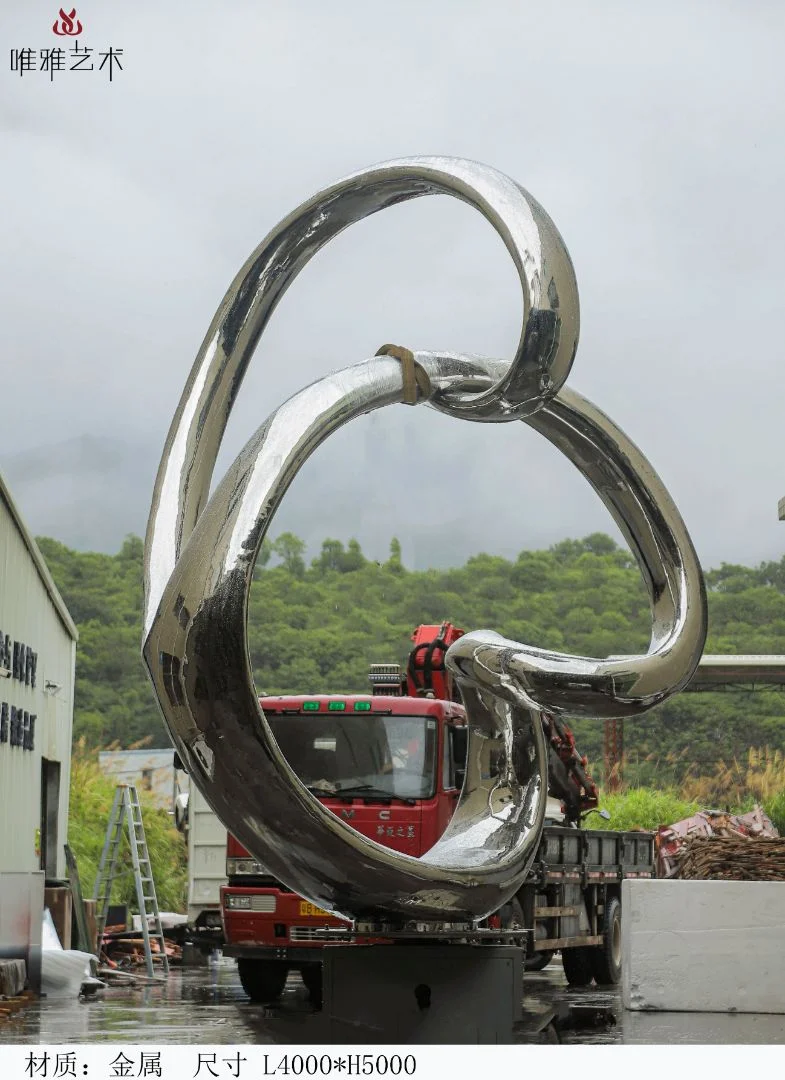
A finish image should be treated as a reference until an approval method is agreed. If a quotation includes one sample and another includes a more extensive sample program, identify the difference. It may change the buyer’s review work and the schedule even when the material description is identical. Confirm whether revisions are included and what triggers additional cost.
The scope matrix should also identify project-specific engineering, installation and electrical review where applicable. These are responsibilities to assign to qualified parties, not calculations to infer from a blog. A supplier’s price cannot by itself establish that a pedestal, foundation or suspension interface is suitable for your site.
Use approval, delivery and evidence gates
Ask for milestones with dependencies rather than a single undifferentiated lead time. A production duration measured from model approval is not the same as time from the first inquiry to arrival on site. Record the dates your own team must supply comments, release a sample, confirm access or arrange local work. Clarify whether transport time is included in the stated duration.
For remote review, request evidence tied to the approved revision: agreed views, relevant dimensions, finish references and package records. Establish who may release the work for packing or shipping. An attractive progress photograph can communicate appearance but does not automatically prove a hidden detail or every acceptance condition.
Look beyond fabrication when assigning the budget. Public Art South West’s commissioning guidance treats commissioning as a wider project with costs and responsibilities around the artwork. Apply that idea by identifying who provides site work, local permissions where needed, handling and ongoing care. The historic guidance is context, not a current local legal requirement.
Current public-art research also reinforces the value of a precise use brief: this month’s Dix Park project is explicitly described by its operator as playable. We discuss the verified example in the RFQ guide’s intended-use section. For quotation review, the practical question is whether the proposed scope responds to the actual use, rather than only to the rendering.

Record a decision that another project team member can audit
Finish with a short decision note: the compared brief revision, the chosen technical option, the confirmed subtotal boundary, remaining exclusions, approval owners and the reason for the recommendation. Keep the supplier’s clarifications alongside the comparison rather than relying on memory. A later handover should make it possible to see why a scope was selected and what still required action.
Before an order is issued, send a consolidated clarification list for written confirmation. For example: “Please confirm that offer revision 03 includes the agreed finish sample and crates, ends at the named warehouse, and excludes site unloading and anchoring.” This is more useful than asking whether the quote includes “everything,” because it names the boundaries that matter.
Download the blank sculpture quotation comparison worksheet (.csv). It opens in common spreadsheet tools. Keep unknowns as text until they are resolved; the download intentionally does not auto-total blank or unknown costs into a misleading complete-project figure.
For the wider process, read our custom sculpture commissioning guide. This worksheet focuses on the procurement decision within that process.
Compare a real project scope
Browse acrylic references or metal sculpture references, then send a versioned brief for a scoped discussion. Identify the material options, destination and decisions still open so the response can distinguish assumptions from confirmed work.
Before authorizing the next stage, use the sculpture drawing approval checklist and review log and the finish sample checklist for project lighting to record the decisions and references your team still needs.
Frequently asked questions
What is the first step when comparing sculpture quotations?
Check that every supplier priced the same brief revision, quantity, design, finish and delivery endpoint. Then mark each cost line as included, excluded, allowance or unknown. Resolve material differences before using headline totals to rank offers.
Should an unknown cost be entered as zero?
No. Zero means a confirmed zero cost or an explicitly included line. An unknown needs a clarification or a separate allowance with an identified basis. Keep the offer marked incomplete until the relevant gap is resolved.
Are the example prices in this article Weiya quotations?
No. All example amounts are fictional arithmetic used to show scope normalization. They are not Weiya quotes, market benchmarks, estimates or offers, and they exclude unresolved site work and taxes.
Does a higher fabrication price mean a higher project total?
Not necessarily. Packing, freight and other separately priced work can change the comparable subtotal. Compare the same endpoint and technical deliverable, then add independently confirmed exclusions without counting included items twice.
How should I compare different sculpture materials?
Treat each material proposal as a separate technical option. Confirm appearance, construction, finish sample, use conditions and maintenance assumptions before comparing scope and price. Similar-looking renders do not establish equivalent materials or performance.
When is a quotation ready for an order decision?
When the controlling brief is identified, important scope differences are resolved, approval and site responsibilities are assigned, and price and schedule conditions are understood. Any remaining dependency should have a named owner and an agreed way to close it.
Sources and further reading
Sources checked on 19 October 2026. These references support the limited observations identified above; our templates and worked examples are original editorial tools. Referencing another organization does not imply a partnership or endorsement.