Custom EPS Foam Sculptures & Giant Props: Fabrication, Coatings & Buyer's Guide
Expanded polystyrene (EPS) foam is the fastest, most cost-effective way to build large three-dimensional shapes — parade floats, retail displays, film and stage props, theme-park scenery, oversized brand mascots and event centrepieces. Cut by CNC hot-wire, refined by hand and sealed under a rock-hard protective coat, a foam sculpture that weighs a few kilograms can stand three storeys tall. This guide explains exactly how EPS sculptures are made, which coatings make them durable (or not), how they compare with fiberglass, and how to brief a factory so your giant prop survives shipping, handling and years of display.
What Is an EPS Foam Sculpture?
An EPS foam sculpture is a shape carved or hot-wire cut from blocks of expanded polystyrene — the same lightweight closed-cell foam used in packaging and insulation — then hardened with a protective coating and painted. Raw EPS is around 98% air, so even a two-metre figure can weigh less than a suitcase. That lightness is the whole point: foam lets you build enormous, complex, one-off forms quickly and cheaply, then move and rig them with a couple of people instead of a crane. The trade-off is that bare foam is soft and fragile, so the coating is what turns a fragile carving into a display-grade sculpture.

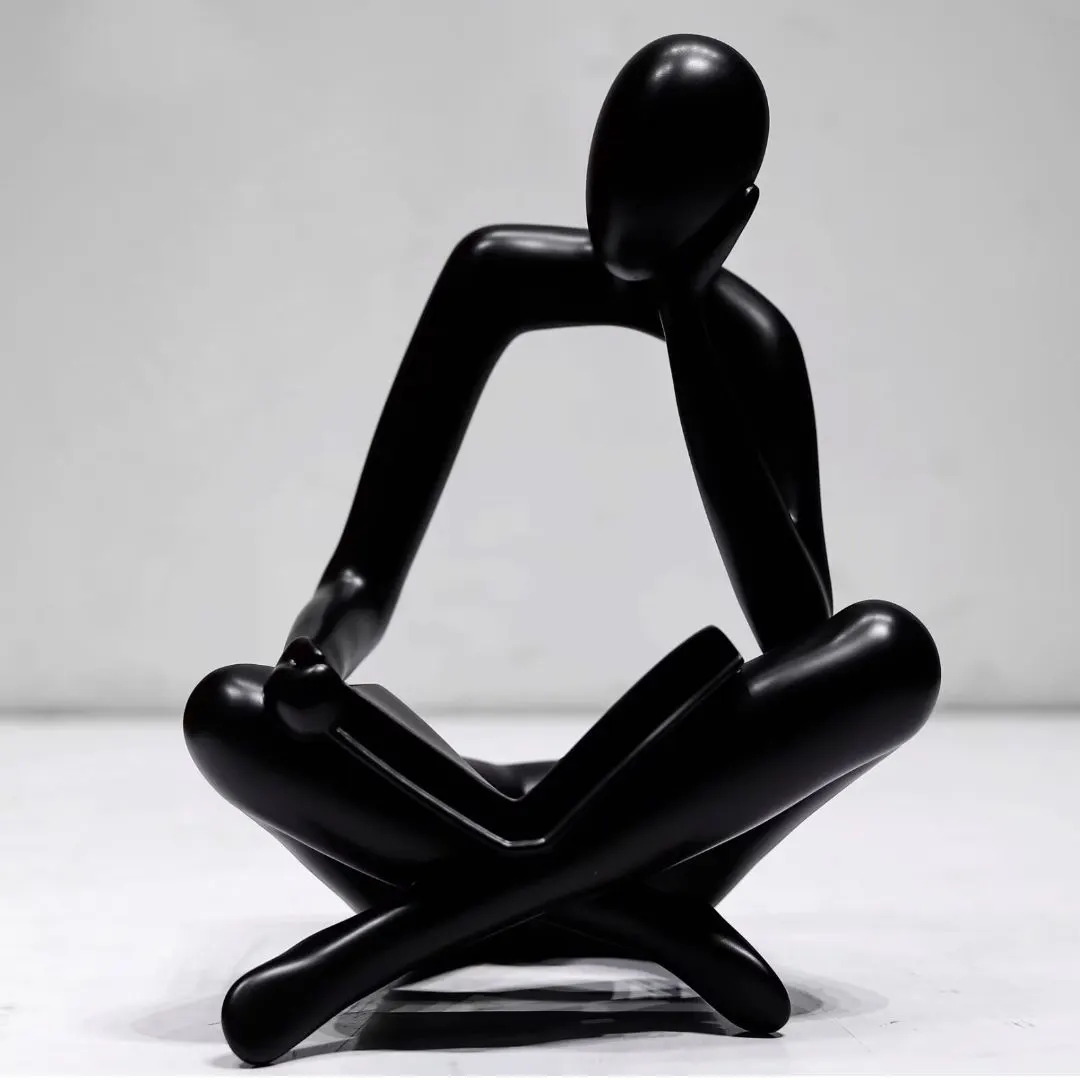
How EPS Foam Sculptures Are Made — Step by Step
Whether the piece is a 30 cm logo or a 9 metre mascot, the workflow is the same six stages. Fine detail is added by hand; the heavy shaping is done by machine.
1. 3D model & block layout. The design is modelled in 3D and virtually sliced into foam blocks that fit the machine bed. 2. Cutting. A CNC hot-wire foam cutter or 3-/4-axis router shapes each block; huge pieces are cut in sections. 3. Assemble & carve. Sections are bonded with foam-safe adhesive and blended; artists hand-carve detail with rasps and hot knives. 4. Hard-coat. The porous foam is sealed under a tough shell (see below) — the single most important step for durability. 5. Prime, sand & paint. The shell is filled, sanded smooth and finished with primer and durable coatings. 6. Seal, crate & ship. A clear protective topcoat is applied and the piece is packed in a custom crate.
Coatings & Hard-Shell Finishes
Bare EPS dents under a fingernail and dissolves on contact with solvent-based paint, so it is always encapsulated. The coating you choose decides how the piece looks, how much it costs, and whether it can go outdoors. These are the four we use most.
| Coating | Toughness | Best for | Notes |
|---|---|---|---|
| Hard-coat (polyurea / hybrid) | ★★★★★ | Outdoor, public, high-traffic | Sprayed elastomer; abrasion- & impact-resistant, waterproof. Our default for anything touchable. |
| Fiberglass (FRP) skin | ★★★★★ | Permanent landmarks, load points | Glass mat + resin over foam core; rigid and repairable. Heaviest option. |
| Epoxy / hard-shell resin | ★★★★☆ | Indoor display, fine detail | Smooth, carvable, holds crisp edges. Less flexible than polyurea. |
| Acrylic / plaster hard-coat | ★★★☆☆ | Short-term events, indoor props | Cheapest and lightest; not for weather or handling abuse. |
Foam vs Fiberglass vs Other Sculpture Materials
Foam is not always the answer. Here is how a coated EPS build compares with the alternatives for a large outdoor or display piece.
| Material | Weight | Cost | Detail | Outdoor life | Best use |
|---|---|---|---|---|---|
| Coated EPS foam | Very low | $ | High | 2–8 yrs* | Big, light, fast, budget props & scenery |
| Fiberglass (FRP) | Low | $$ | Very high | 10–20 yrs | Durable custom mascots & landmarks |
| Stainless steel | High | $$$$ | Medium | 30+ yrs | Permanent public art |
| GFRC concrete | Medium-high | $$$ | High | 25+ yrs | Architectural, heavy-duty outdoor |
*With a quality hard-coat and maintenance. Many buyers use EPS for the fast, affordable build and step up to fiberglass when the piece must last a decade outdoors.
Choosing the Right Foam Density
EPS is sold by density (weight per volume). Higher density is stronger and holds finer detail but costs more and adds weight. For most sculpture we use a medium grade and reserve high density for thin, load-bearing or hand-detailed areas.
| Grade | Approx. density | Character | Typical use |
|---|---|---|---|
| Low | ~16 kg/m³ | Cheapest, coarse cell, fragile | Bulk fill, hidden cores |
| Medium | ~24–32 kg/m³ | Best all-round balance | Most sculpture bodies |
| High | ~40+ kg/m³ (or XPS) | Dense, fine detail, tougher | Faces, thin edges, hand-carved detail |
Where EPS Foam Sculptures Are Used
- Retail & window displays — seasonal and campaign centrepieces that ship flat-packed in sections.
- Theme parks & scenography — rockwork, oversized flora/fauna and themed facades (often FRP-skinned). See our theme-park fabrication guide.
- Events, stage & film — lightweight props that can be flown, carried and struck quickly.
- Parades & brand activations — giant mascots and logos that a small team can rig.
- Architectural mock-ups — full-scale prototypes before committing to metal or concrete.
Inside our workshop: large-format cutting, hand finishing and coating.
Durability, Fire & Weather
Two questions decide whether foam is appropriate: will it be outdoors, and can people touch it? A properly hard-coated EPS piece sheds rain and resists knocks, but UV, wind load and impact still matter. For long-term outdoor landmarks, fiberglass or metal remain the safer choice.
Fire safety is non-negotiable. Raw EPS is combustible and, in a fire, softens and can produce smoke, so many venues require fire-retardant (FR-grade) foam and coatings that meet a recognised flame-spread class. Always confirm the fire rating required by your venue — for background see the U.S. NFPA guidance on interior finish and foam plastics. For permanent indoor architecture, ask specifically for FR foam plus an intumescent or Class-A rated topcoat.
Cost, Weight & Lead Time
Foam's headline advantage is cost and speed for large sizes. Price is driven mainly by size (block volume), coating system, detail level and finish. A simple hard-coated logo can ship in 1–2 weeks; a detailed 6 metre character with FRP skin and multi-stage paint runs 4–8 weeks. Because the finished piece is so light, ocean and even air freight are usually far cheaper than for metal or concrete of the same size — see our international shipping guide for crating and Incoterms.
Briefing a Foam-Sculpture Factory
Give any serious manufacturer these six things and you will get an accurate, comparable quote:
- Reference & dimensions — images or a 3D file, plus target height/width.
- Indoor or outdoor, and expected display duration (weeks vs years).
- Coating grade — event finish vs public-grade hard-coat.
- Fire rating required by the venue.
- Handling — will it be touched, climbed near, or moved often?
- Deadline & destination for freight planning.
Planning a giant prop, display or mascot? Weiya Art builds foam, foam-core FRP and full composite sculptures for events, retail and theme parks worldwide — engineered light, coated tough and crated for export.
Frequently Asked Questions
Are EPS foam sculptures durable enough for outdoor use?
Yes, if they are hard-coated. Bare foam is fragile, but a sprayed polyurea or fiberglass shell makes the surface waterproof and impact-resistant. For displays lasting many years or in harsh weather, we usually recommend a fiberglass skin or stepping up to metal.
How light is a large foam sculpture?
Very. EPS is roughly 98% air, so a 2–3 metre coated figure often weighs only 10–30 kg depending on the coating. That is why foam props can be rigged by a small crew and shipped economically.
Is EPS foam fire-safe?
Standard EPS is combustible. For indoor or public venues we use fire-retardant (FR) grade foam and flame-rated coatings, and we match the specific fire class your venue requires. Always state the fire rating in your brief.
Can you paint any colour or finish on foam?
Once the hard-coat shell is on, yes — matte, gloss, metallic, stone-look, wood-look, textured or brand-matched (Pantone) finishes are all possible. The shell, not the foam, carries the paint.
Foam or fiberglass — which should I choose?
Choose foam for the biggest, lightest, fastest and most budget-friendly build, especially for events and displays. Choose fiberglass when the piece must survive a decade outdoors or heavy public handling. Many pieces combine both: a foam core with an FRP skin.
Can large foam sculptures be shipped internationally?
Yes. Because they are so light, foam sculptures are among the most economical large pieces to export. We build in sections where needed, crate them for sea or air freight, and handle export documentation.