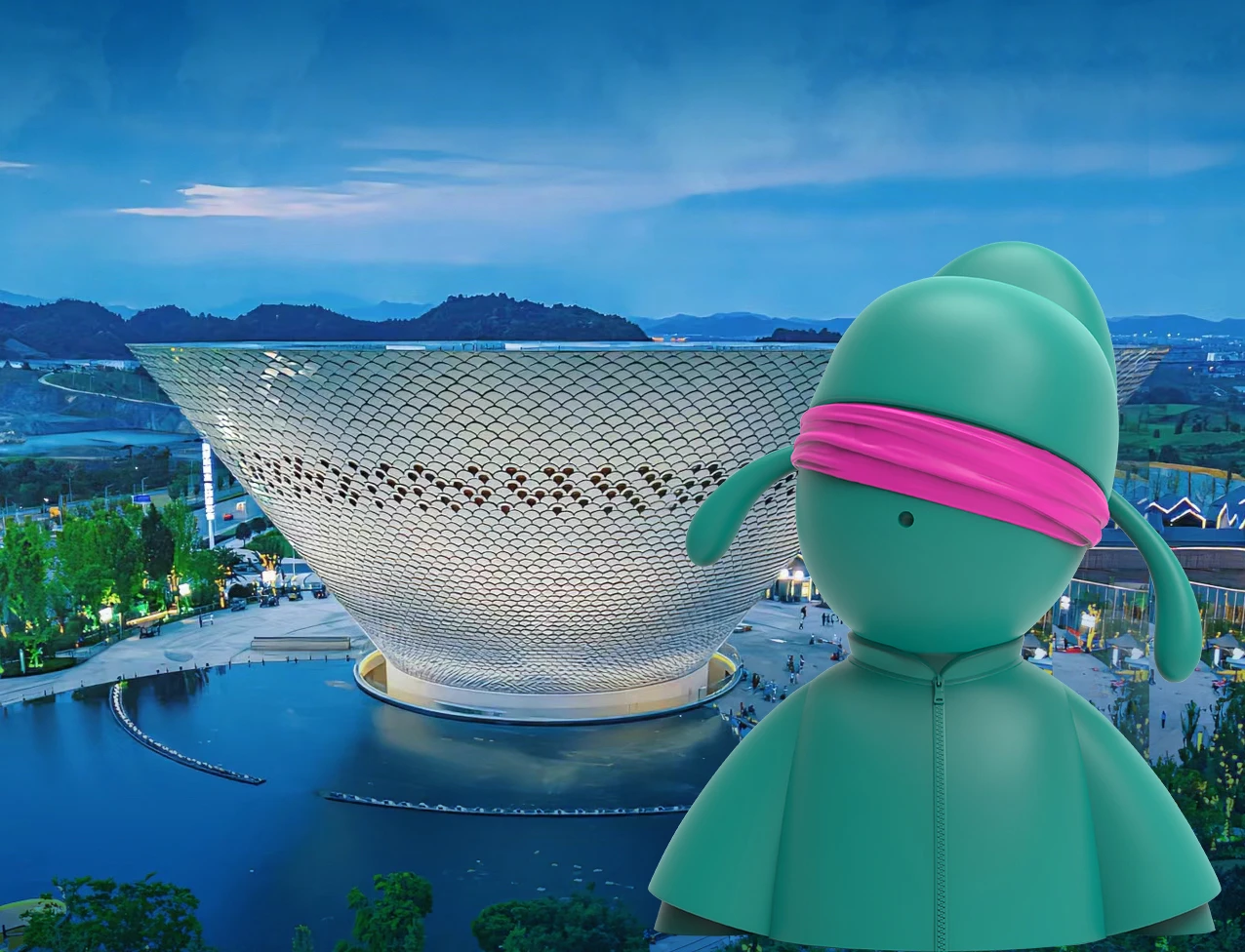
"Chaodai Zhi" Creative Concept
Publish Time: 2025-11-30 Edit: Weiya Art
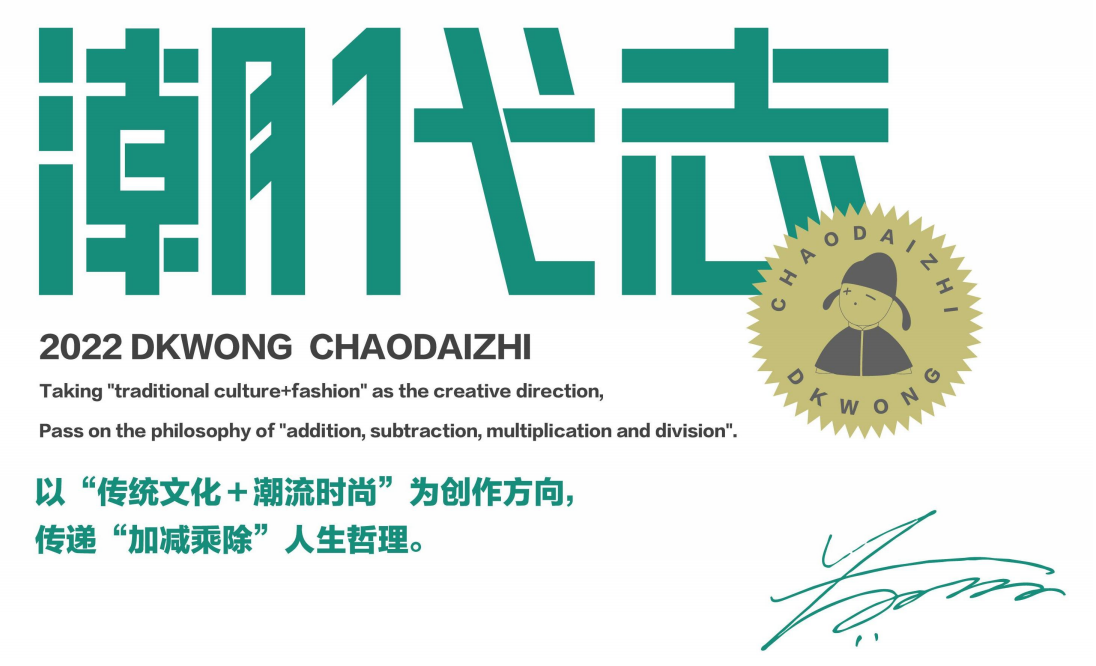
"Chaodai Zhi" Creative Concept
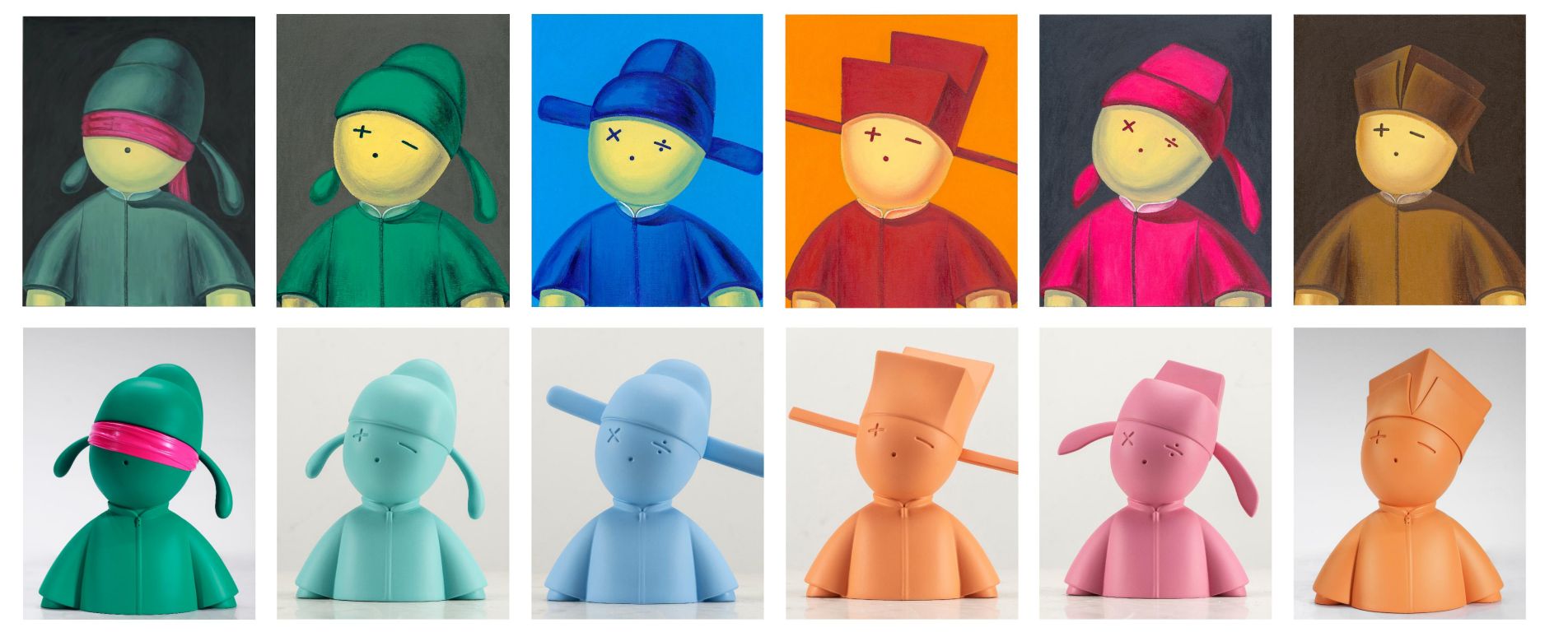
Artist Huang Haijun dkwong interprets the five thousand years of humanistic heritage of Chinese civilization and applies it to the artistic conception and creation of contemporary trendy culture. The prototypes of the characters in this series are drawn from Li Bai of the Tang Dynasty, Su Shi of the Song Dynasty, Tang Yin of the Ming Dynasty, and Wen Zhengming. These talented scholars, who advocated for elegance and style, were both talented and refined, with knowledge vast as mountains. The development of the times has promoted the prosperity of culture and art. They expressed the joys, sorrows, and ups and downs of life through different forms such as poetry, songs, and paintings. Whether romantic or unrestrained, they each had their own unique style and charm. Huang Haijun dkwong has a profound grasp of the portrayal of scholars in the era in his creations, especially in the selection of cultural elements such as clothing and accessories, which fully reflects his deep exploration of historical time and space and his strong desire to engage in a dialogue with history. At the same time, this also reflects the resonance between the artistic spirit of artist Huang Haijun dkwong and the Chinese spirit, highlighting his pursuit of the life philosophy of "addition, subtraction, multiplication, and division". Following the "Great Chinese Painting" theory of Mr. Wu Zhenhuan, adhering to the concept of "Oriental Spirit + World Language", and taking "Traditional Culture + Trendy Fashion" as the creative direction, Huang Haijun dkwong eliminates different emotional expressions, reflects on his own cultural stance, and integrates Eastern culture to achieve a shared beauty and universal harmony.
The life philosophy of "addition, subtraction, multiplication, and division"
Addition: Positive attitude and good mindset. When facing various life challenges and opportunities, actively respond with a positive attitude, fully utilize one's abilities and potential, and achieve life goals and dreams.
Subtraction: Avoid greed and learn to be content. In life, we should learn to cherish what we have, rationally arrange our time and energy, make wise choices, and not excessively pursue material wealth and spiritual enjoyment.
Multiplication: steadfast goals and determination. In the process of achieving one's life goals, one must have clear goals and unwavering determination, continuously strive, constantly surpass oneself, and achieve greater accomplishments.
Division: Indifferent to fame and wealth, purify the soul. On the journey of life, learn to let go of excessive desires for fame and wealth and negative emotions, maintain inner peace and tranquility, focus on your inner world and interpersonal relationships, and live in harmony with nature. "Addition, subtraction, multiplication, and division" is a simple and practical method that can help us better plan and manage our lives, achieving a more fulfilling life value.
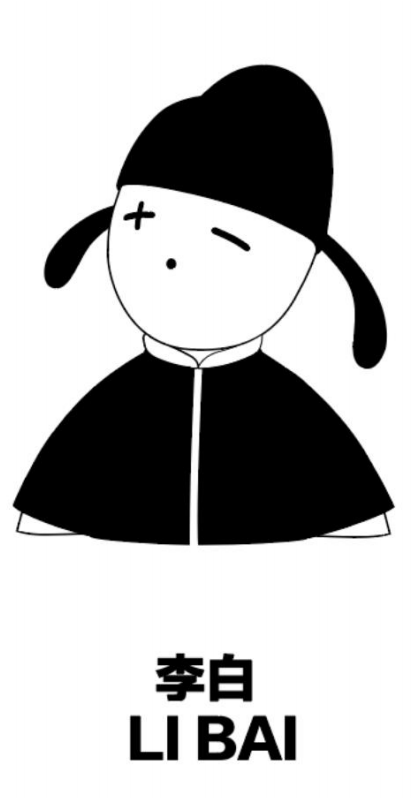
The life philosophy of "Li Bai"
Li Bai is a renowned poet of the Tang Dynasty, whose poetry is imbued with a spirit of boldness, romance, and freedom. However, his poems also contain insights into life philosophy, from which we can draw inspiration and use his thoughts to convey the life philosophy of "addition, subtraction, multiplication, and division".
"Addition, subtraction, multiplication, and division" is a mathematical operation method, commonly used to represent proportional relationships between things. In life, we also need to master this operation method, using addition, subtraction, multiplication, and division to balance our lives.
First, let's take a look at addition. Addition symbolizes growth and progress. On the journey of life, we constantly learn, grow, and progress, all of which are manifestations of addition. Li Bai once wrote, "I was born with talent that will surely be put to use. Even if all my money is gone, it will come back." This line expresses the idea of addition in life, that each of us has our own value, and we can achieve our dreams through our own efforts and talents.
Next is subtraction. Subtraction represents reduction and letting go. On the journey of life, we need to learn to let go of unnecessary things and lighten our burden. Li Bai once wrote, "Those who have abandoned me, the days of yesterday cannot be retained; those who disturb my heart, today is filled with many worries." This line expresses the idea of subtraction in life, that is, we need to learn to let go of past troubles and regrets, and embrace future challenges and opportunities.
Next is multiplication. Multiplication represents doubling and amplification. On the journey of life, we need to learn to seize opportunities and fully tap into our potential. Li Bai once wrote, "The water of the Yellow River comes from the sky and flows to the sea without returning." This line embodies the idea of multiplication in life, that is, we need to move forward bravely like a river, constantly strengthening our own power.
Lastly, division. Division represents balance and equality. On the journey of life, we need to learn to balance our lives and not excessively pursue material enjoyment and success. Li Bai once wrote, "When life is at its peak, we must enjoy it to the fullest, and not let the golden goblet empty while gazing at the moon." This phrase embodies the division philosophy in life, that is, we need to cherish the present moment and enjoy the beauty of life.
"Surprise Edition" of "Thousands of Words by Li Bai"
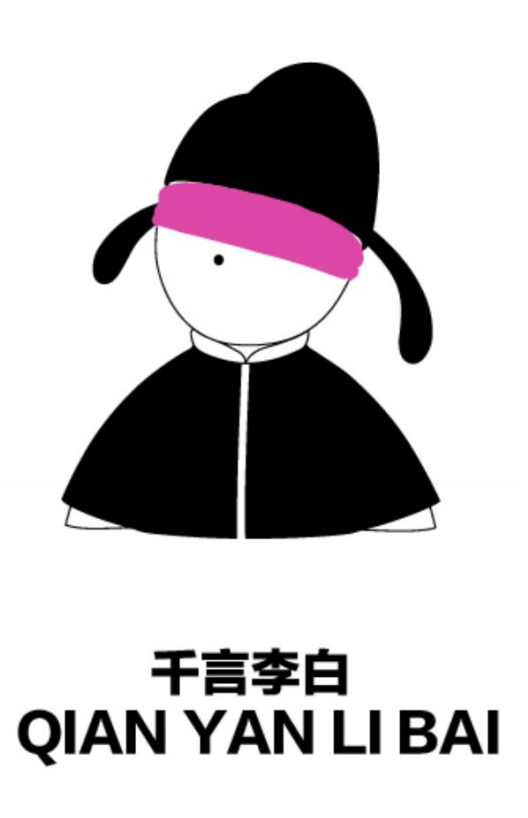
In 2023, Guangzhou Design Week collaborated with the artist Huang Haijun's "Chao Daizhi Li Bai" art IP to launch a "surprise" themed collaboration. Through an emotionally compelling interpretation of the life background and life attitude of the historical figure "Li Bai" with personality guidance significance, inspiration was drawn from Li Bai's thoughts, and the creation direction was set as "traditional culture + trendy fashion" to convey the life philosophy of "addition, subtraction, multiplication, and division". Furthermore, the "Thousand Words Li Bai" super collaborative art IP was created in combination with the theme connotation of "surprise", allowing the lives of talented individuals from hundreds of years ago to reflect our current lives, and resonating spiritually with contemporary young people who are facing the harsh realities of high-pressure life and intense competition.
The inspiration for the artist's creation stems from a renowned game, "The Masked Game". We have integrated the spirit of mystery, unknownness, and exploration from the game into our artwork, hoping that everyone who sees it will feel an urge to delve into the unknown and become an explorer of their own world. Through innovative approaches, we aim to break through traditional thinking limitations, enabling everyone to potentially become an explorer of their own world.
The life philosophy of "Su Dongpo"
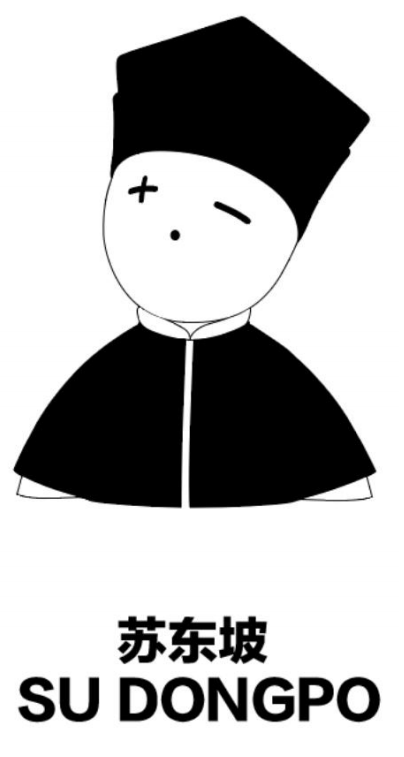
Su Dongpo was a renowned literary figure, calligrapher, painter, and politician in Chinese history. His profound and unique thoughts have exerted a profound influence on future generations. In Su Shi's thoughts, there are numerous discussions on life philosophy, among which the most famous is the "addition, subtraction, multiplication, and division" theory.
The "Addition-Subtraction-Multiplication-Division" theory is a philosophical concept proposed by Su Dongpo in response to the gains and losses, successes and failures of life. He believed that life is like a game of addition and subtraction, where we constantly add and subtract various treasures, experiences, honors, and setbacks, yet the ultimate gains and losses are often difficult to predict and control.
From the perspective of addition, every experience in life can be regarded as an "addition". We can learn from experience and continuously accumulate knowledge and wisdom. For example, we accumulate knowledge while reading, experience while working, and life experiences, all of which become a part of our lives.
However, excessively pursuing wealth and achievement may lead to a loss of balance and disillusionment in the soul. From the perspective of subtraction, certain experiences and things in life can be regarded as a kind of "subtraction". We need to learn to let go and shed the burdens and troubles of the past in order to better meet the challenges of the future.
In addition to addition and subtraction, multiplication and division are also important concepts in Su Shi's philosophy. Multiplication refers to continuously expanding one's influence and impact in life, using one's own efforts and achievements to influence and change the world around. Division, on the other hand, involves continuously narrowing one's goals and expectations in life, in order to better adapt to reality and find one's place.
Su Dongpo's "Addition, Subtraction, Multiplication, and Division" theory tells us to rationally view the gains and losses, successes and failures in life, continuously learn and grow, and strive to maintain balance and inner peace. Only by truly understanding and applying this philosophical thinking can we lead a fulfilling and happy life.
The life philosophy of "Tang Bohu"
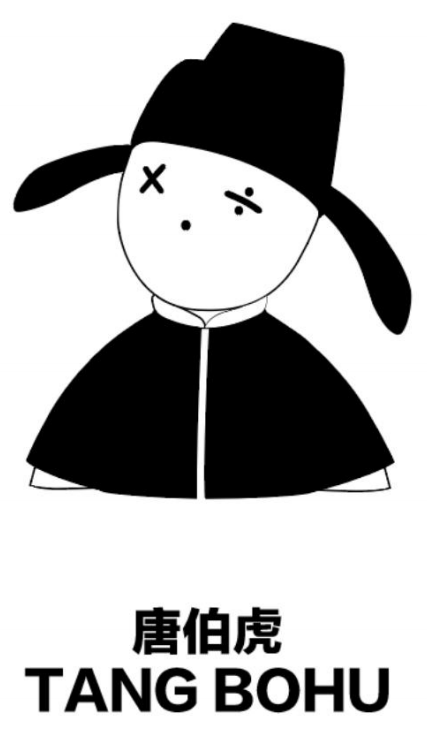
Tang Bohu was a painter and poet endowed with creativity and artistic talent, whose thoughts were unique and profound. The following article conveys the life philosophy of "addition, subtraction, multiplication, and division" through Tang Bohu's thoughts: Life is like a canvas, and each of us is the painter of our own life. Tang Bohu once said, "There is poetry in painting, and there is painting in poetry." This sentence expresses the close connection between art and life. On the canvas of life, we need to use the skills of addition, subtraction, multiplication, and division to depict our own brilliance.
Firstly, we must learn to enhance our artistic literacy and creativity, continuously elevating our artistic skills and attainments. This is one of the most crucial operations in life: addition, subtraction, multiplication, and division. Only through persistent learning and creation can we craft more splendid artworks and live a more vibrant life. However, we must also learn to appropriately reduce our stress and anxiety, maintaining inner peace and freedom. This is akin to the subtraction in life, eliminating those elements that do not contribute to our artistic creation, allowing us to live more freely and comfortably.
At the same time, we must also learn to leverage the multiplier effect to create more artistic wealth and social influence. On the journey of life, we must continually strive to pursue our artistic dreams and goals. However, we must also learn not to be greedy and selfish, and not to excessively pursue fame and status. This is like the multiplier effect in life; only by maintaining a humble and cooperative mindset can we achieve greater success.
Finally, we must also learn to share artistic responsibilities and social obligations through the division effect. In art and society, we must learn to take on our own responsibilities and obligations, and not shirk responsibility or avoid difficulties. However, we must also learn not to be overly self-blaming or burdened, and to learn to appropriately share responsibilities and burdens, allowing ourselves to be more relaxed and comfortable.
In summary, the operations of addition, subtraction, multiplication, and division in life are not merely mathematical calculations; they embody a philosophy of life. Only by constantly engaging in these operations can we better adapt to changes and grow. Let us embrace the life philosophy conveyed by Tang Bohu's thoughts on "addition, subtraction, multiplication, and division," making our lives more vibrant and meaningful.
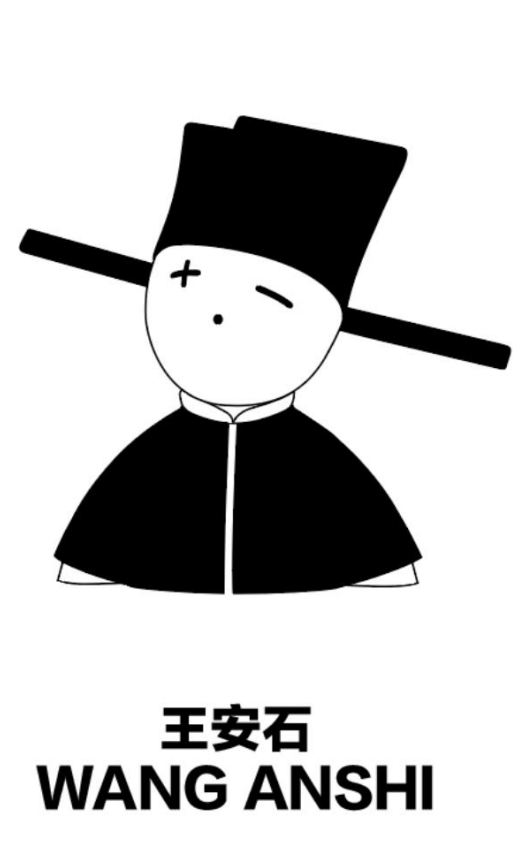
The life philosophy of "Wang Anshi"
Wang Anshi was a renowned statesman and reformer during the Northern Song Dynasty. His thoughts were deeply influenced by the Confucian classic "The Great Learning", emphasizing concepts such as "cultivating conscience", "sincerity and rectifying the mind", and other ideas related to self-cultivation, family governance, national administration, and world peace. His thoughts have had a profound impact on the life philosophy of "addition, subtraction, multiplication, and division".
The life philosophy of "addition, subtraction, multiplication, and division" metaphorically represents various choices and decisions in life through the lens of these mathematical operations. It conveys the idea that in life, one must strike a balance, make judicious choices, and act within one's capabilities to achieve better outcomes. Wang Anshi's thoughts provide significant insights into this life philosophy.
Firstly, Wang Anshi emphasized the importance of "attaining intuitive knowledge" and "sincerity and rectifying the mind". He believed that only with sincerity and integrity in the heart can one make correct choices and decisions. In life, we need to maintain a clear mind and firm beliefs at all times to make the right additions, subtractions, multiplications, and divisions.
Secondly, Wang Anshi believed that the operations of addition, subtraction, multiplication, and division in life are not simply numerical calculations, but choices that require balancing and trade-offs. We need to allocate our time and energy reasonably according to our own situation and goals, and achieve "doing some things and not doing others".
Finally, Wang Anshi emphasized the importance of acting according to one's abilities. He believed that in life, one should make choices based on their own abilities and actual circumstances, rather than blindly pursuing lofty goals or excessively consuming their time and energy. We need to maintain a clear mind and firm belief at all times in order to make the right choices.
In summary, Wang Anshi's thoughts provide important insights into the life philosophy of "addition, subtraction, multiplication, and division". We need to maintain a clear mind and firm beliefs at all times in order to make correct choices and decisions, and realize our own life values.
The life philosophy of "Wen Zhengming"
Wen Zhengming was a renowned calligrapher and painter of the Ming Dynasty. His thoughts were deeply influenced by Confucianism, Taoism, and Buddhism, emphasizing self-cultivation, family governance, and world peace, while pursuing inner peace and harmony. His philosophy of life can be summarized by "addition, subtraction, multiplication, and division", which means achieving happiness and value in life by enhancing one's inner cultivation, reducing impetuosity, multiplying practical actions, and eliminating the disease of desire.
Enhancing one's inner cultivation entails continuously learning and improving one's knowledge and skills, cultivating good moral character and sentiments, in order to better face the challenges of life. Wen Zhengming believed that one's achievements in life are not determined by external circumstances and others' evaluations, but by one's own cultivation and inner strength. Only through continuous learning, thinking, and practice can one continuously enhance one's abilities and qualities, thereby strengthening one's competitiveness. Reducing impulsiveness refers to maintaining inner peace and tranquility, and not being swayed by external distractions and temptations. Wen Zhengming believed that life is full of various temptations and challenges. If one cannot maintain inner peace and tranquility, it will be difficult to make correct decisions and actions. Therefore, one must learn to control one's emotions and desires, reduce impulsiveness, and maintain inner peace and tranquility.
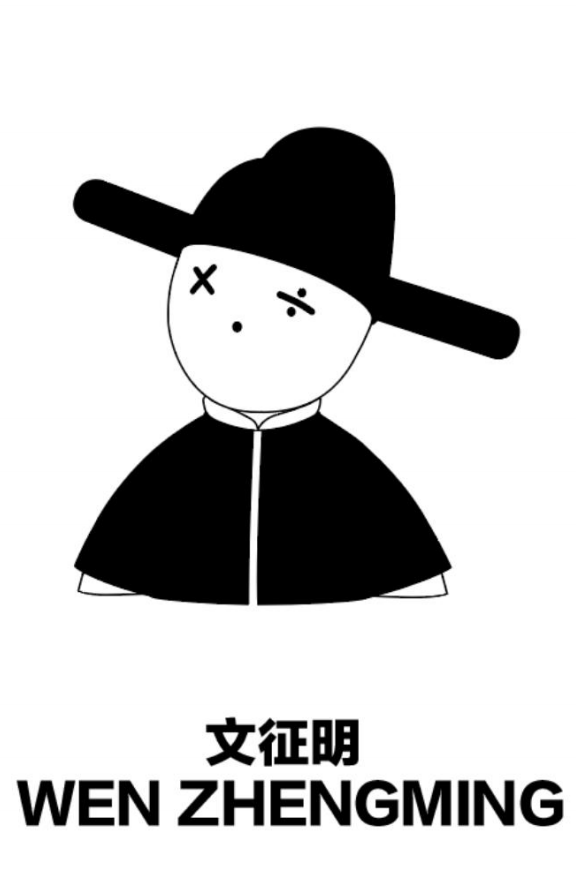
"Multiplying by the act of practice" refers to putting the knowledge and skills learned into practice, and testing and improving one's abilities and qualities through practice. Wen Zhengming believed that only through practice can one truly understand and master knowledge, and truly unleash one's talents and potential. Therefore, one should constantly try and practice, constantly summarize and reflect, in order to continuously enhance one's practical abilities and qualities.
Eliminating the disease of desire refers to freeing oneself from the excessive pursuit of material wealth and fame, and maintaining inner purity and freedom. Wen Zhengming believed that material wealth and fame are merely accessories in life, rather than the essence and value of life. Therefore, one should strive to free oneself from the excessive pursuit of material wealth and fame, maintain inner purity and freedom, and achieve inner peace and tranquility.