Custom Wood Carving Sculpture: A Complete Guide to Wood, Process & Care
A hand-carved wood sculpture brings warmth and craft no other material matches — but the result depends entirely on choosing the right wood and drying it properly before a single cut. This maker's guide covers the full carving process, compares the best woods for carving (hardness, grain, durability and cost), explains why pieces crack and how to prevent it, when wood can go outdoors, hand vs. CNC, a real care schedule, and how to commission a custom piece — including temple and religious work.
The Wood Carving Process, Step by Step
You do not need a 3D file — a photo or drawing plus dimensions is enough; we build the design and, for complex work, a small clay maquette or 3D model for sign-off.
Seasoning is the step competitors skip and the #1 cause of cracked work. Green wood holds 40–60% moisture; it must be air- or kiln-dried down to below ~12% for indoor pieces (interior equilibrium is about 6–9%) before carving, with slow, balanced drying so the surface and core lose moisture evenly. Carving wet wood guarantees later checking. The science is documented in the USDA Forest Products Laboratory Wood Handbook and the overview of wood drying.
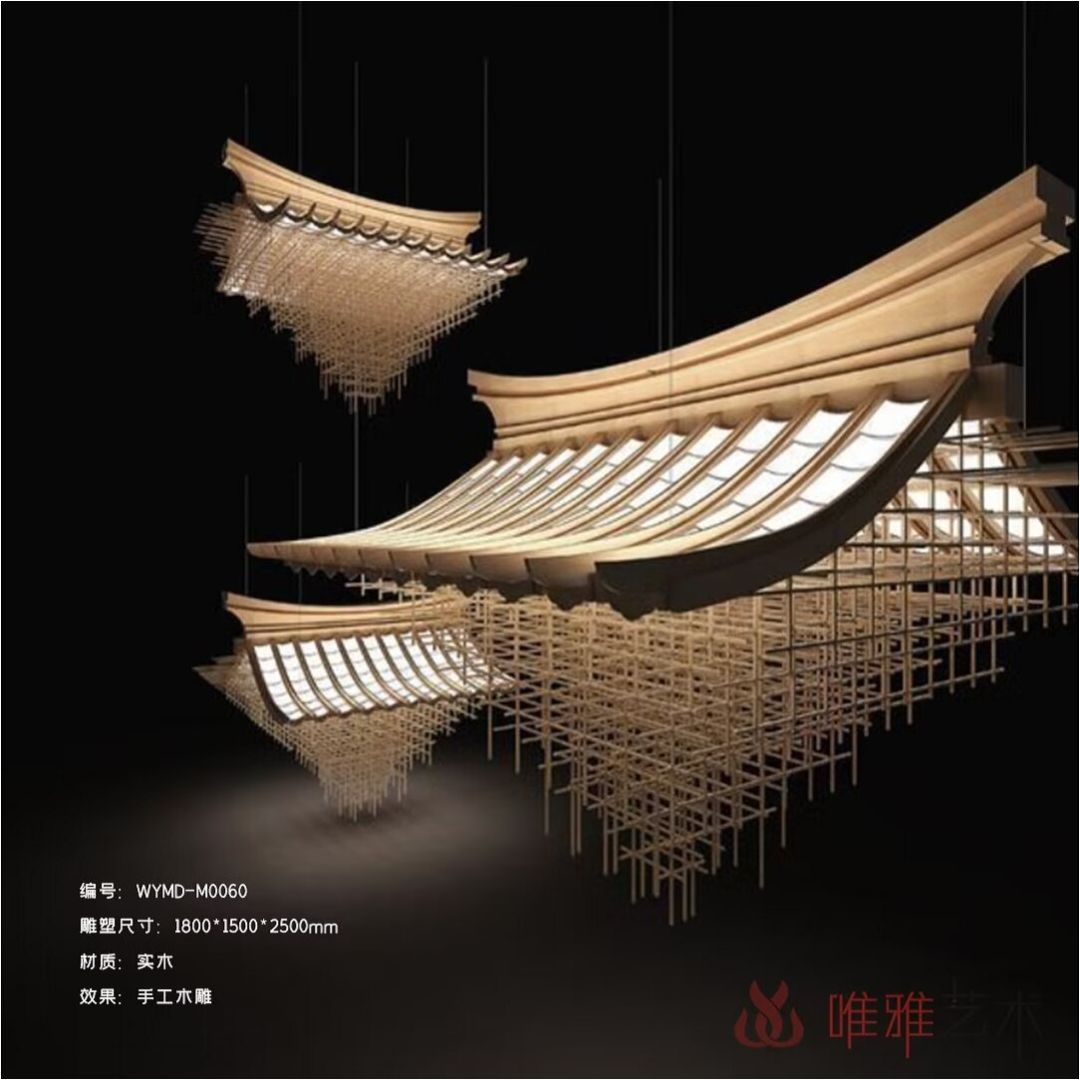
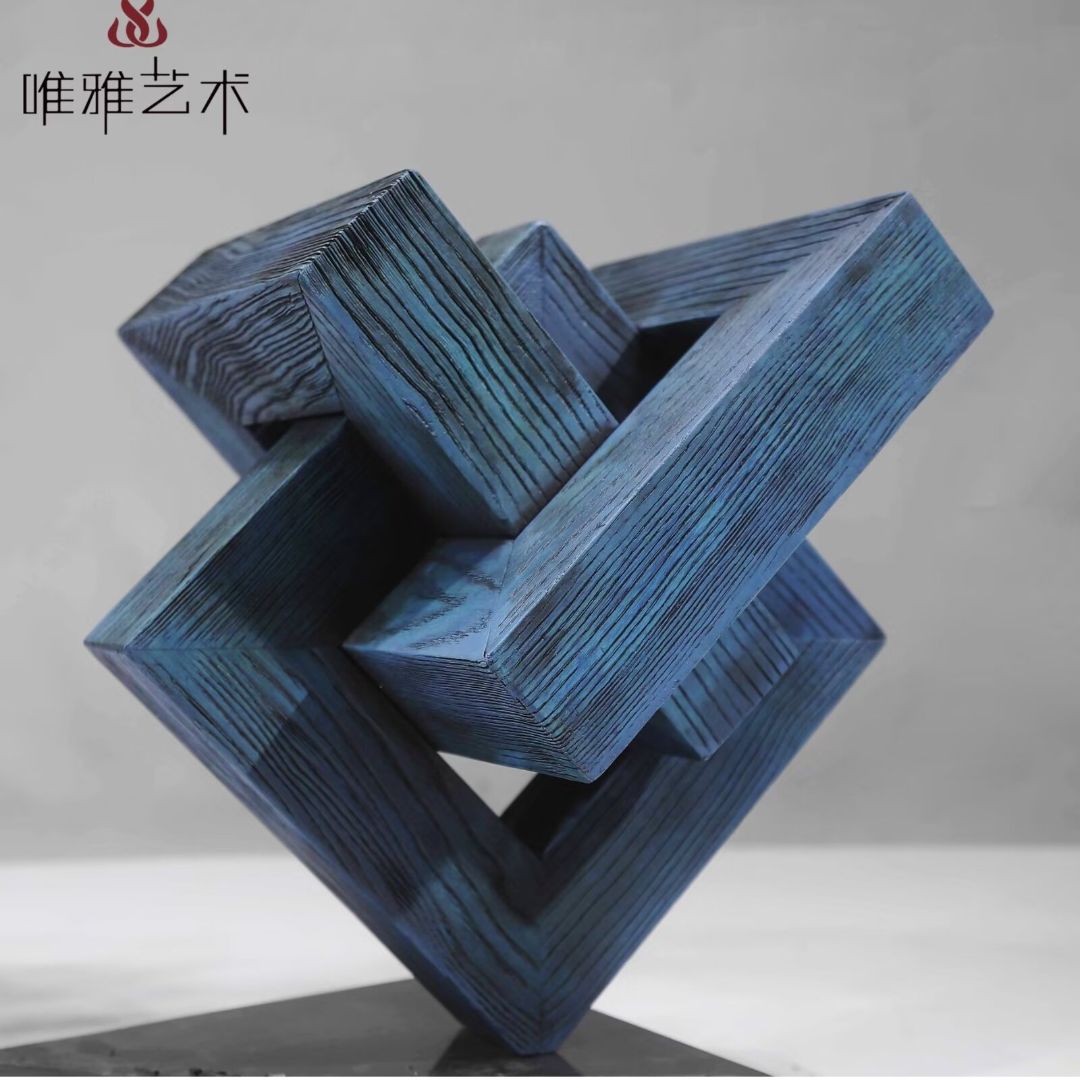
Hand Carving vs. CNC vs. Hybrid
| Hand carving | CNC | Hybrid (best practice) | |
|---|---|---|---|
| Character | Unique, organic, artisan | Machine-accurate, repeatable | CNC base + hand-finished surface |
| Best for | One-off art, fine expression | Symmetry, multiples, roughing | Most pro commissions |
| Speed / cost | Slower, higher labour | Faster, lower for repeats | Saves ~a week, keeps handmade feel |
Most professional studios CNC-rough the primary form and let master carvers hand-finish — the look stays handmade while lead time drops. We offer all three, matched to your budget and quantity.
Best Wood for Carving — Species Compared
| Wood | Janka (lbf) | Grain | Durability | Best for | Cost |
|---|---|---|---|---|---|
| Basswood / Limewood | ~410 | Very fine, almost grainless | Indoor only | Detailed indoor figures | $ |
| Cherry | ~950 | Fine, even | Indoor, ages richly | Premium indoor decor | $$ |
| Walnut | ~1,010 | Rich, dark, fine | Indoor | High-end indoor art | $$$ |
| Teak | ~1,000 | Oily, medium-coarse | Excellent outdoors (30+ yrs) | Garden / humid sites | $$$$ |
| White Oak | ~1,290 | Coarse, closed pore | Good outdoors | Large / architectural | $$ |
| Camphor (樟木) | medium | Fine, fragrant | Pest-resistant | Religious statues | $$ |
| Sandalwood | high | Very fine, fragrant | Durable, aromatic | Sacred / small precious | $$$$$ |
Janka = surface hardness; higher is harder to carve but holds detail and resists dents better. Source the numbers from references like the Wood Database and Janka charts. Basswood is the classic for fine detail; teak and white oak for outdoors; camphor and sandalwood for fragrant religious work.
Will It Crack? Moisture, Splitting & How We Prevent It
Checking (cracking) comes from uneven moisture loss — wood keeps moving with ambient humidity even after carving. We prevent it by seasoning to the right moisture content before carving, sealing end-grain, and applying a moisture-slowing finish. On your side: keep display humidity around 40–60% RH and away from heat sources and direct sun. For carving technique and method context, museums such as the V&A are good references.
Indoor vs. Outdoor Wood Sculptures
Most carved sculptures are indoor pieces. Outdoors demands a rot- and insect-resistant species (teak, white oak), preservative treatment, a weather-resistant/UV-stable finish, and ideally some shelter. Untreated teak weathers to a silver-grey but stays structurally sound for many years; softer indoor woods like basswood are not suitable outdoors.
Large & Monumental Sculptures — Joining and Assembly
Big or open compositions are rarely a single block. Laminated glue-ups and jointed/bolted sections with matched grain are standard, with an internal armature for monumental work and a design that disassembles for crating and freight.
Caring for Your Wood Sculpture
| Task | Frequency | Note |
|---|---|---|
| Dust with a soft dry cloth | Weekly | No water on raw/oiled wood |
| Check ambient humidity | Monthly | Keep ~40–60% RH |
| Refresh oil or wax | Every 6–12 months | Restores sheen, slows drying |
| Keep out of direct sun / heat | Always | Prevents fading & checking |
| Outdoor: re-seal finish | Annually | UV-stable / marine-grade finish |
Custom Wood Sculptures for Temples & Religious Art
Buddha and deity statues are traditionally carved in teak, camphor or sandalwood — fragrance signifies purity, and camphor naturally resists pests. We respect iconographic proportion conventions and offer polychrome, gold-leaf gilding and to-spec sizing. For material trade-offs in other media, see our acrylic vs. resin guide or the custom sculpture commissioning guide.
Frequently Asked Questions
Will a wood sculpture crack over time?
Can wood sculptures be placed outdoors?
What is the best wood for a carved sculpture?
Can you carve a sculpture from my photo, drawing or 3D file?
How big can a custom wood sculpture be?
How long does it take and what drives the price?
Commission a custom wood carving
Send your design, target wood and size — we recommend the right species and reply with a quote.
Request a Free Quote