Kinetic & Wind Sculpture: The Buyer's Guide to Custom Moving Art That Lasts
A kinetic sculpture turns wind — or a small motor — into mesmerising, ever-changing motion that stops people in their tracks. But movement is also the hard part: a piece that spins beautifully on day one can seize, rattle or fatigue within a season if the bearings, balance and metallurgy are wrong. This guide is for developers, public-art commissioners, hotels and brands buying a custom kinetic or wind sculpture. It covers the types, how the mechanics actually work, the engineering that decides whether it survives a decade outdoors, and what to ask a fabricator before you sign.
What Counts as a Kinetic Sculpture?
A kinetic sculpture is a three-dimensional artwork designed to move — its form changes as parts rotate, swing, oscillate or ripple. The motion can be powered by wind (a wind sculpture), by a hidden motor, by water, or by a person. The art form was pioneered by figures such as Alexander Calder, with later masters like George Rickey and Anthony Howe proving that engineered metal can move with hypnotic precision for decades. For a buyer, the appeal is simple: motion creates dwell time, photos and shares that a static object never will.
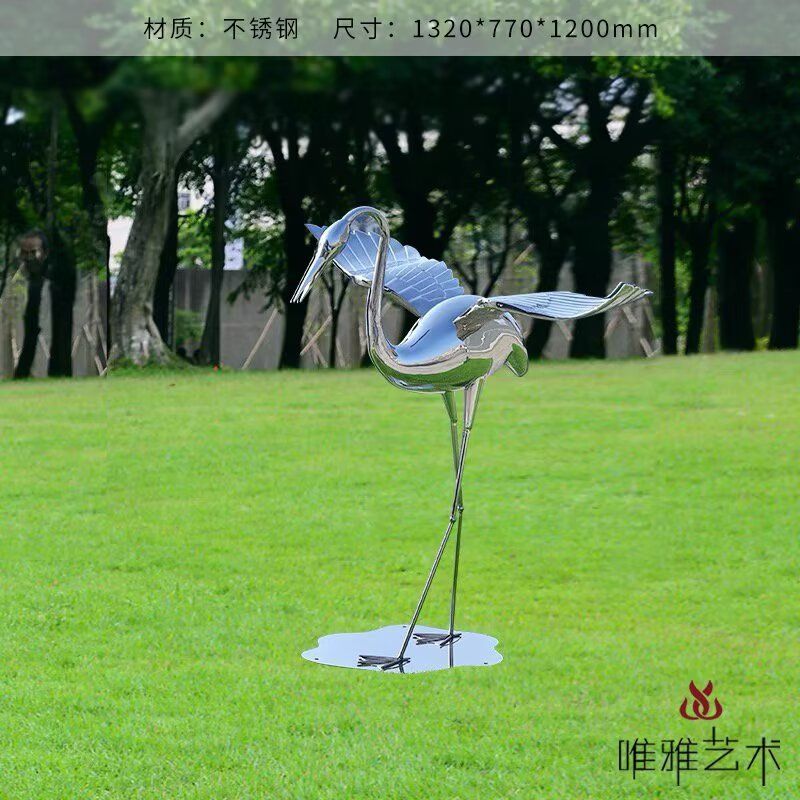
The Five Types of Kinetic Sculpture
| Type | How it moves | Best for |
|---|---|---|
| Wind-driven (rotors / cups) | Free spinning on bearings, powered only by breeze | Outdoor plazas, roundabouts, coastal sites |
| Balanced mobile / pendulum | Counter-weighted arms sway and rotate slowly | Atriums, lobbies, gentle indoor air movement |
| Motorised | Hidden gear-motor drives a programmed, constant motion | Indoor lobbies where wind is unreliable |
| Wave / ripple (multi-element) | Many small parts move in sequence to form travelling waves | Façades, ceilings, statement art walls |
| Interactive | Visitor pushes, spins or triggers the motion | Museums, children's spaces, brand activations |
How Wind Motion Actually Works
A wind sculpture converts moving air into rotation, then keeps that rotation smooth and safe. Three things have to be right together:
- Catch — curved cups, blades or vanes present a surface for the wind to push, like a refined anemometer.
- Bearings — sealed, corrosion-proof bearings let parts spin with almost no friction, so the lightest breeze starts them moving.
- Balance — every moving element is statically and dynamically balanced so it doesn't wobble, vibrate or hammer its own pivots at speed.
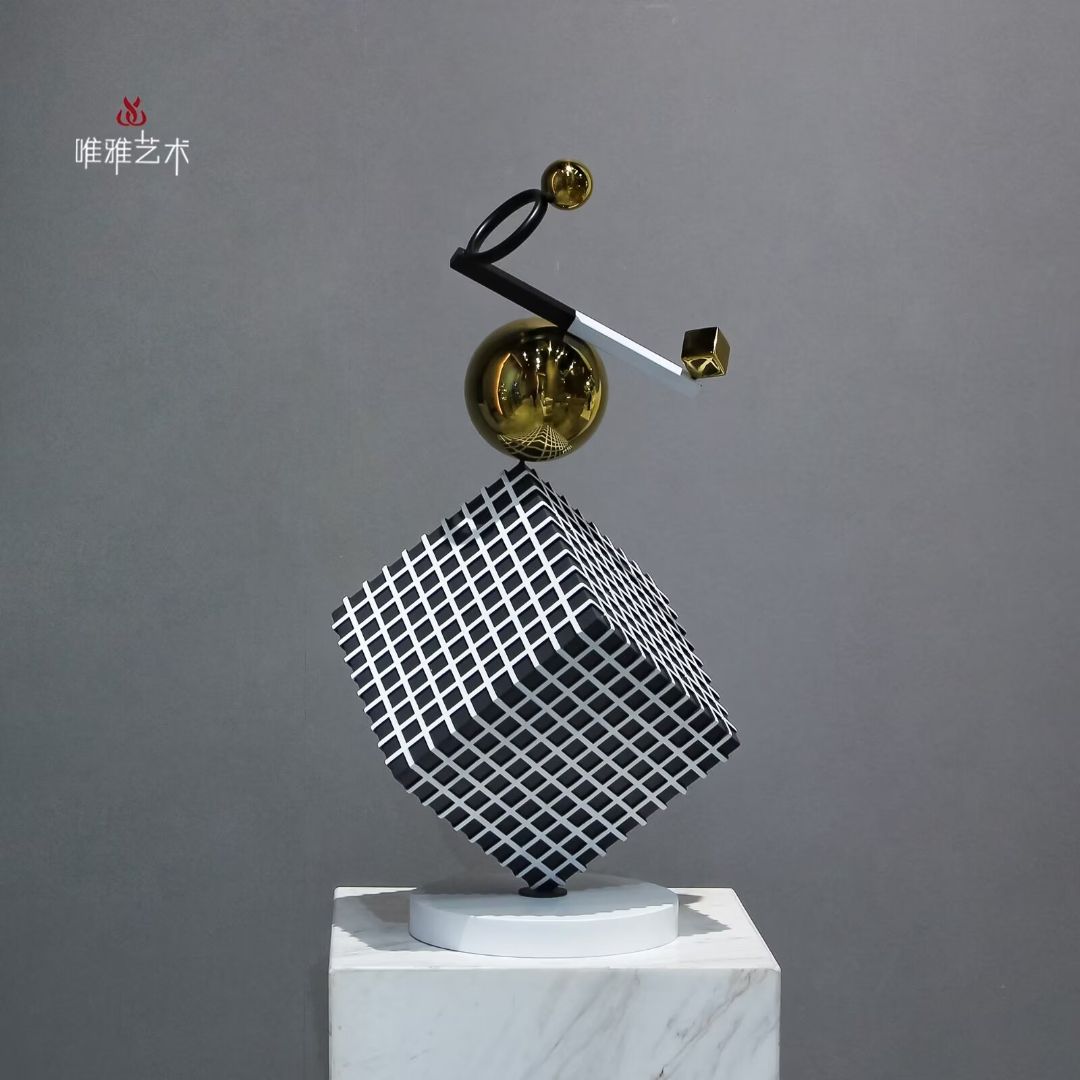
The Engineering That Decides Whether It Lasts
This is the section competitors skip — and it is the only thing that matters for a permanent outdoor piece. Beautiful motion is easy in a studio; surviving ten years of wind, salt and storms is engineering.
| Risk | What goes wrong | How we engineer it out |
|---|---|---|
| Bearing failure | Cheap bearings seize, rust or get gritty; motion stops | Sealed marine-grade / ceramic bearings, serviceable and replaceable |
| Metal fatigue | Repeated flexing cracks arms & welds over years | Fatigue-rated alloys, generous radii, full-penetration welds |
| Storm overspeed | High wind spins parts dangerously fast | Speed limiting / governor geometry, tested wind-load envelope |
| Corrosion | Salt & rain pit steel and freeze joints | 316 stainless, passivation, isolated dissimilar metals |
| Foundation / failure mode | Whole piece loosens at the base | Engineered footing + a safe-fail design so nothing detaches |
Materials & Finishes
Outdoor kinetic work lives or dies on metallurgy. 316 stainless steel is the default for moving parts — strong, springy and corrosion-resistant — and can be left mirror-polished, brushed or coloured. Aluminium is used where low weight reduces the inertia parts must overcome. Finishes range from mirror polish (reflects sky and surroundings so the motion sparkles) to PVD colour and architectural powder coat. Our stainless steel fabrication guide covers grades, polishing and passivation in depth.
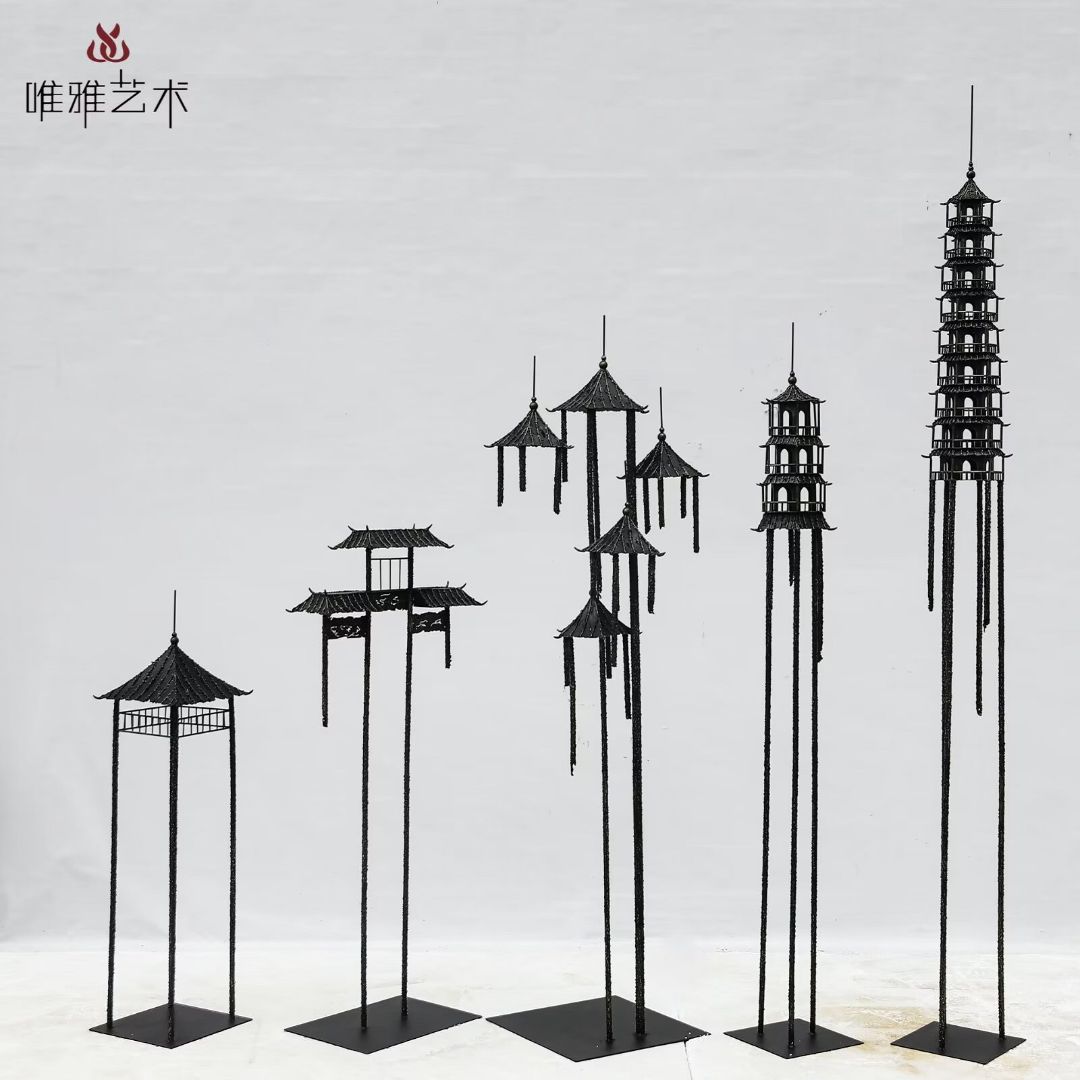
How We Build a Custom Kinetic Sculpture
We model the motion in 3D before cutting any metal, so you approve the movement — not just the shape — up front. Each piece is balanced and run-tested in the workshop, then re-commissioned on site.
Questions to Ask Before You Buy
- What wind speed starts it moving, and what is its safe storm behaviour?
- What grade are the bearings, and can they be serviced or replaced on site?
- Is every moving element dynamically balanced, and how was that tested?
- What alloy and finish, and what warranty against corrosion and fatigue?
- Do you handle engineering, foundation design, freight and installation? (We do.)
Frequently Asked Questions
How much wind does a wind sculpture need to move?
Will the bearings wear out or seize?
Can a kinetic sculpture survive outdoors for years?
What if there is no reliable wind at my site?
Can you build a kinetic sculpture from my design or an artist's concept?
How big can a custom kinetic sculpture be?
Planning a kinetic or wind sculpture?
Send your concept, site and wind conditions — we reply with a motion study, engineering approach and a quote.
Request a Quote