Bronze sculpture patina approval: samples, lighting and acceptable variation
Approve bronze patina on a labeled physical sample made with representative metal, surface preparation, texture and final coating. Review the sample under agreed lighting, document acceptable variation by area, and compare the first finished portion of the sculpture before releasing the full finish. Keep a retained sample and a signed record for handover.
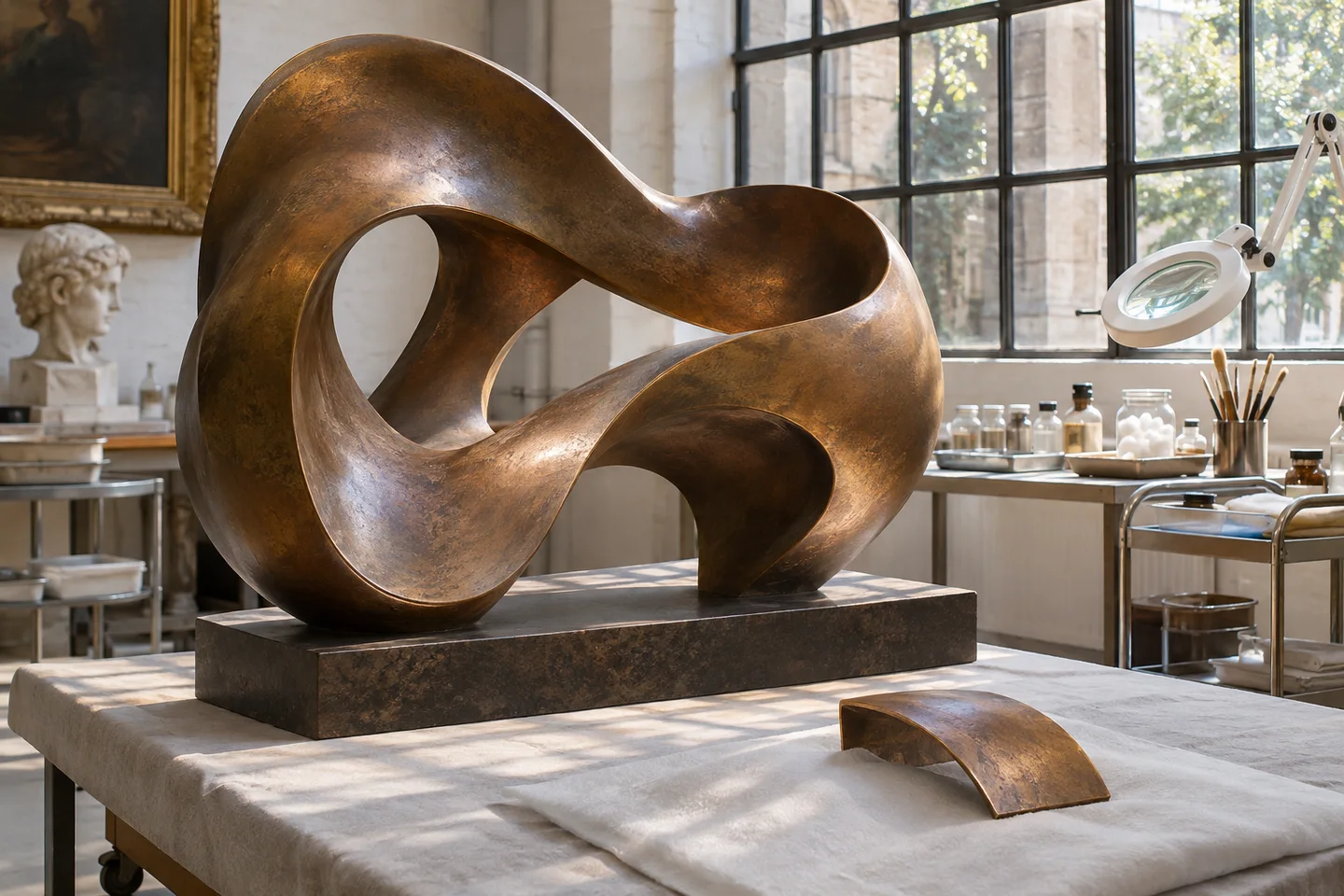
Turn the color request into a review brief
Start with the artistic intent rather than a single color name. Ask the artist to identify which features should carry the warm midtone, which ridges may catch light, and which recesses should stay dark. A description such as “brown with warm highlights” is easier to review if it is accompanied by a marked photograph showing the areas that matter. A client reference can guide the direction without promising that the same appearance can be reproduced on a different substrate or texture.
Give the foundry the intended display location, orientation and viewing distances. Include the artist, buyer and intended approver in the same brief. The foundry needs to know whether the client is asking for a visually quiet surface, strong tonal separation or a finish that will change visibly over time. Agree on what the sample is intended to demonstrate before asking someone to sign it.
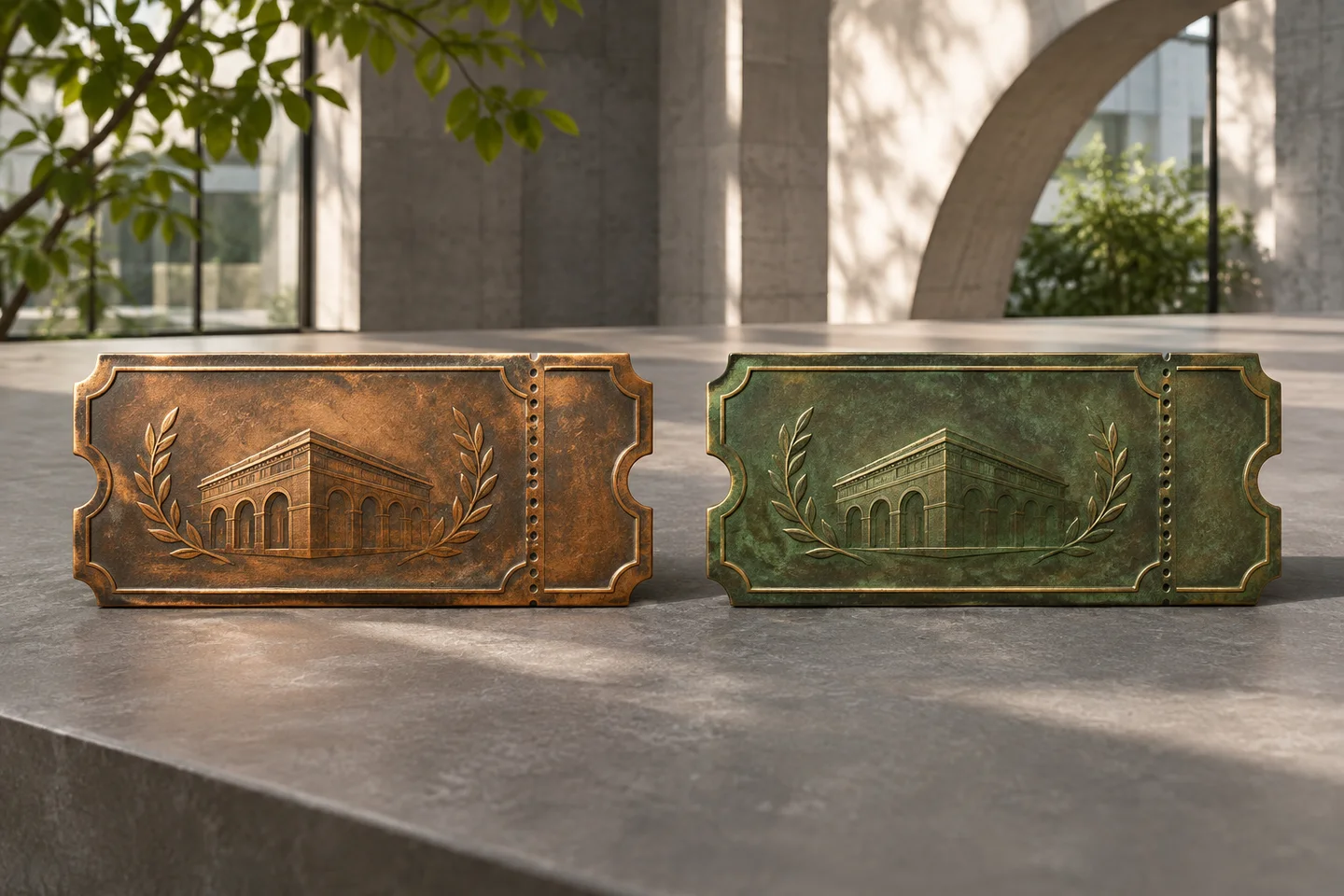
Ask for a sample that represents the finish system
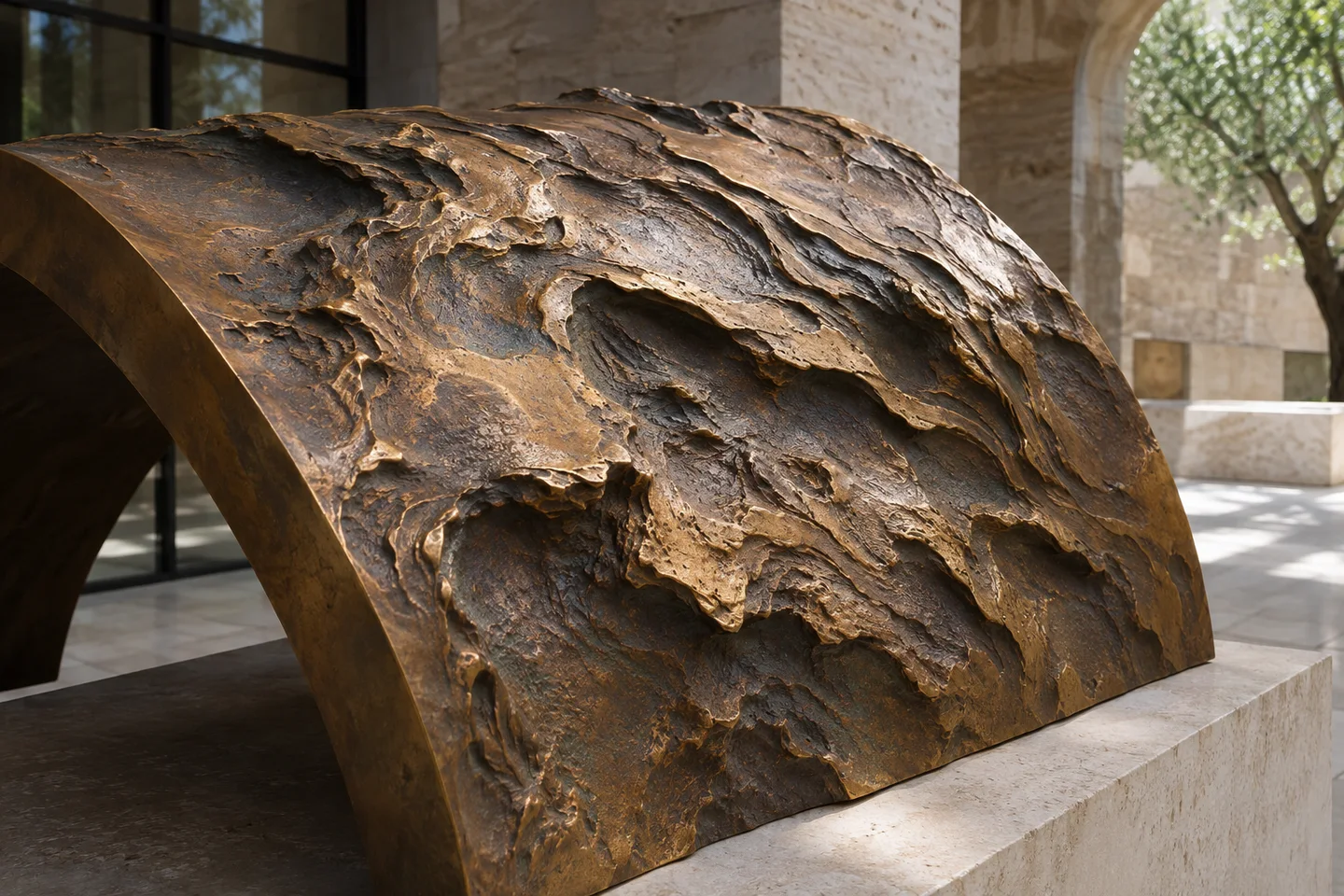
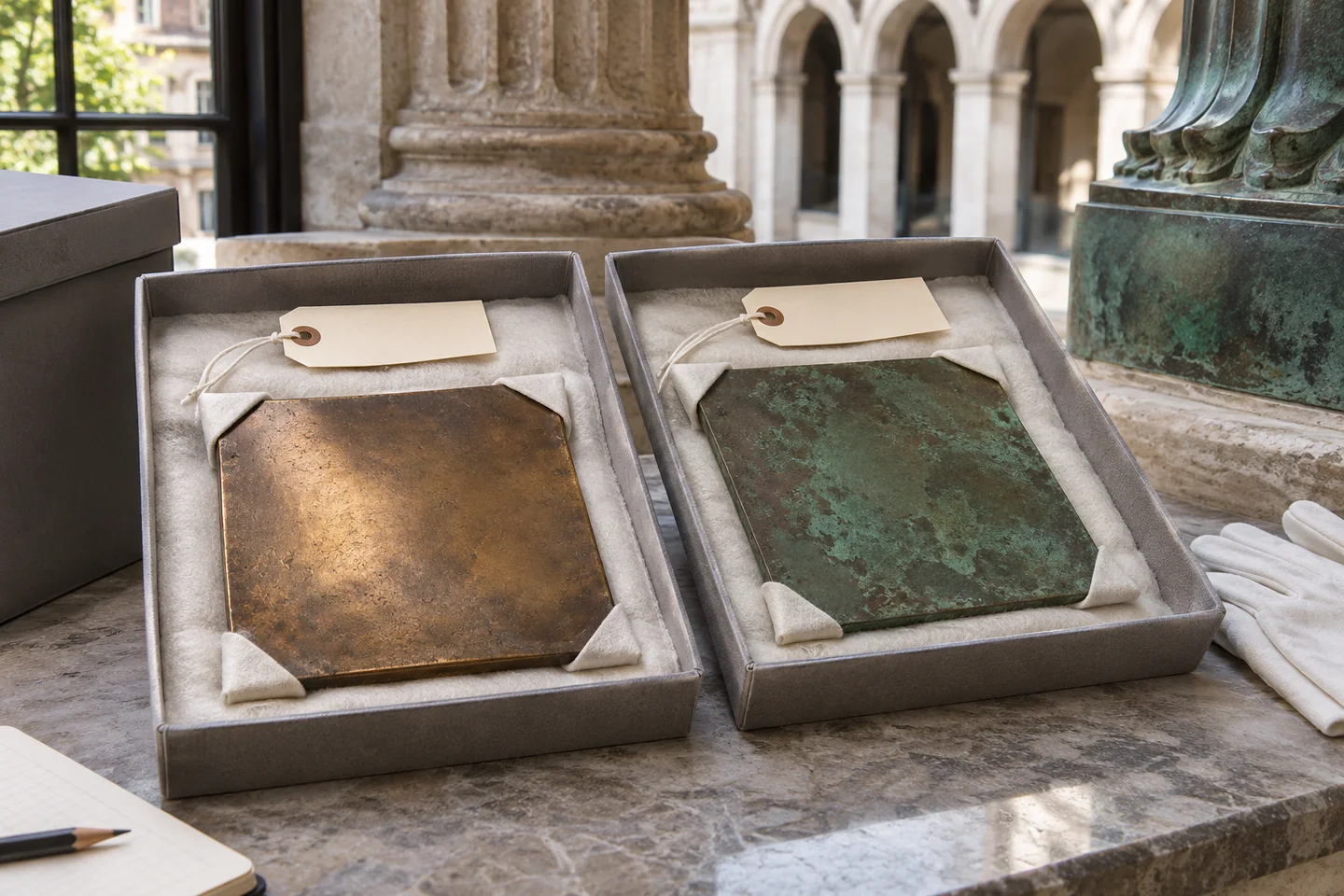
Identify the proposed metal and the preparation, texture and final protective treatment represented by the sample. A flat coupon can be useful for comparing a broad range of tonal directions. For a sculpture with deep folds or a heavily worked surface, ask whether a curved or textured test piece is needed to show the intended contrast. A coupon representing a smooth face should not be treated as approval of appearance in a textured recess.
Keep the sample ID with a date and revision. If the protective finish changes after approval, ask the fabricator to present the complete proposed combination again. The Getty's documentation of its treatment of Henry Moore's Bronze Form describes testing patinas and coatings on cast bronze coupons. That conservation case supports evaluating the full surface combination together, while the appropriate system and evidence for a new sculpture are project-specific. Getty treatment case
Use the right evidence for each decision
| Evidence | Decision it supports | Confirm separately |
|---|---|---|
| Artist reference photo | Intended mood and location of contrast | Actual tone and sheen on metal |
| Flat physical coupon | Broad tone and finish options | Curved surface and textured transitions |
| Representative textured sample | Contrast on peaks, recesses and joins | Appearance across the finished sculpture |
| First finished area | Continuity at the agreed scale | Remaining zones and retained sample record |
Art City Bronze recommends beginning the process of collecting color references early and discusses multiple reference formats. A physical sample can travel between the shop and reviewer, but it still needs an identified revision and an agreed way to view it. If the buyer sends several samples with conflicting directions, ask which feature of each reference to preserve and who will decide when the goals conflict. Art City Bronze patina policy
Review it under the lighting it will meet
Agree on at least the principal display condition and one practical comparison condition. For example, review in a neutral space first and then beside the proposed lobby lighting or an agreed representative setup. Document the viewing angle, lighting direction and approximate distance. A directional light across a texture may reveal tonal transitions that are much less visible under broad illumination. Where a work is seen both up close and from an entrance, give each view a separate place in the review.
When reviewers are remote, send consistent photographs and a short explanation of how they were taken. If color is critical, arrange a physical comparison by the designated approver instead of relying solely on different screens. Ask the reviewer to record any lighting limitation with the decision. Retain a simple record of the sample beside the final surface so later teams can recreate the review conditions as closely as practical.
Define variation before production starts
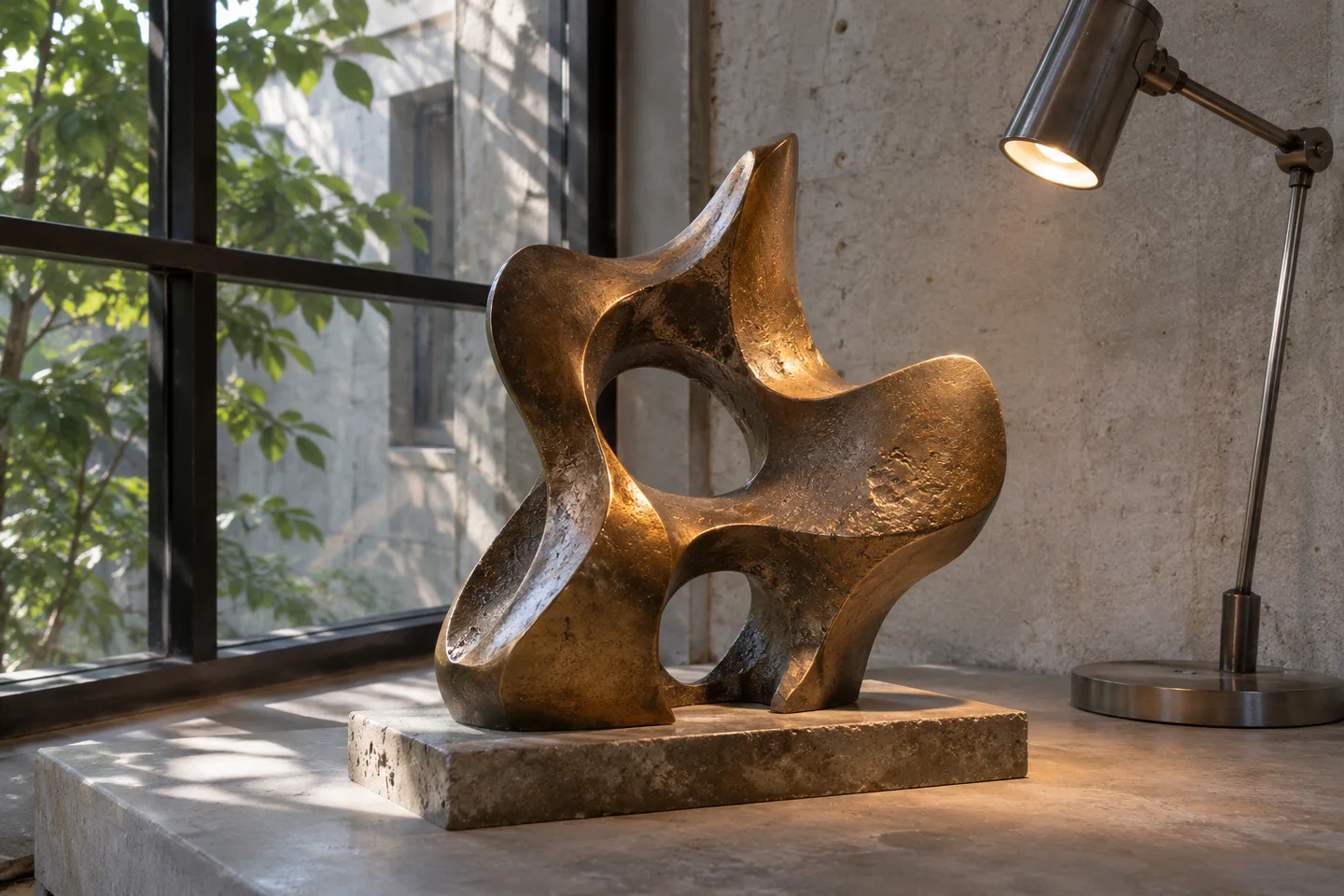
Write an acceptance note for each visually important region. For an example abstract piece, the high ridges may be allowed to read warmer, the broad faces may need a calm midtone and the recessed base may be allowed to remain darker. Point to the relevant approved sample or image and record where each instruction applies. If the artist wants the left and right faces to read as one continuous sweep, identify the actual viewing position and compare from that location.
Distinguish an intentional transition from a localized mark that requires review. Use a matched pair of physical samples if a range is easier to communicate with upper and lower examples. Discuss how to make judgments at boundaries and avoid treating every small surface difference as a defect. Write down when the buyer should request rework, when the artist can accept a variation, and who gives the final release.
Review joins and transitions before signing
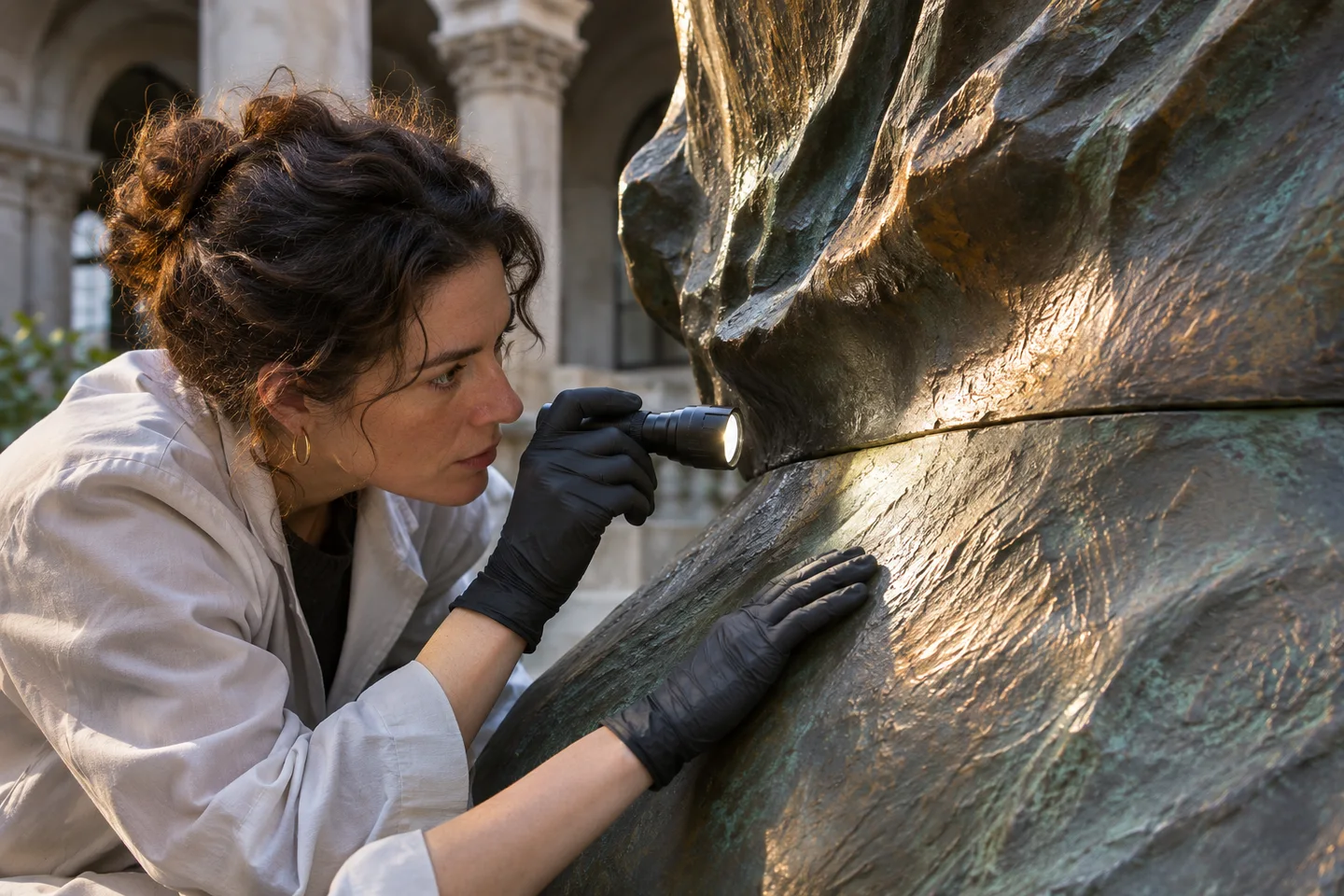
For pieces made in sections, identify the main joins on a drawing or marked photograph. Ask the shop to show a representative finished transition before the entire piece is treated, particularly if a join crosses a prominent textured or reflective area. Inspect the sample and transition under the same viewing conditions. Record whether the reviewer is accepting tone, texture, sheen or all three, because a satisfactory color can still leave a visible interruption in the form.
A workable review note might say that the main sightline at the entry is accepted but a transition near a prominent edge is held for another sample. Record the issue with a photo reference and the reviewer responsible. Tie the approval to the specific revision. If the shop changes a process to address the issue, have the affected finish reviewed again before it is applied elsewhere.
Separate appearance acceptance from service expectations
Ask the project team to identify how the owner should care for the specific surface. Document the proposed exposure, points that are touched frequently and any locations where water or deposits could collect. The Getty bronze guidelines describe naturally occurring and intentionally produced patinas and address coatings separately. A new finish sample captures an agreed appearance at review time. Discuss the expected changes, inspection and maintenance with the people responsible for the sculpture.
Obtain the supplier's written care information and record where retained samples will be kept. A sample approved before installation can help explain what the work looked like at handover. Treat a later maintenance decision as a new review of the actual surface and exposure. For outdoor projects, use the coastal maintenance brief to raise site-specific questions before procurement.
Work through a sample disagreement
Imagine the artist approves a small brown coupon in the studio. At the intended entry view, the full-size curved trial appears more reflective than expected under a directional light. Record the two observations, the viewing positions and the lighting condition. Have the artist identify whether the reflection itself is an issue or whether it obscures a feature that should remain visible. Ask the fabricator to propose a representative follow-up sample showing the targeted change.
Keep the original approved direction in the record and give the follow-up sample a new ID. Hold the affected part of the release while the new evidence is reviewed. If the owner changes the lighting during the process, update the viewing conditions and note which earlier decisions remain useful. A dated decision sheet gives the receiving team a way to identify the accepted appearance and any limits on that approval.
Handover and next action
Keep the final sample ID, representative texture and finish description, approved comparison conditions, reviewer name and date together. Archive the accepted variation note and any documented exceptions. Share the release record with the shop, buyer and facilities team. If the work is part of an edition, assign one owner for the retained evidence so subsequent pieces can refer to the same baseline. If a different process is later proposed, use the baseline to identify what requires another review.
For a quotation, send the intended location and views, the latest design, the areas where patina transitions matter, and any physical references that can be made available. Explain which party will approve the sample and whether a representative finished area is required before the whole work is treated. Use the finish sample review guide to coordinate the review with project lighting.
Download the coordination worksheet
Download the editable CSV. Use one row for each interface and record the drawing revision, evidence and responsible reviewer before release.
Browse relevant sculpture references or share the current plans and constraints for a scoped review.
FAQ
What should a bronze patina approval sample include?
Label the metal, surface preparation, texture and final protective treatment it represents. Record the sample revision, viewing conditions, acceptable variation and the authorized reviewer.
Is a flat coupon enough?
A coupon can compare tone and sheen options. Ask for a representative textured or curved sample when recesses, highlights or transitions drive acceptance.
Can we approve the patina from a photograph?
Use photographs for orientation and review notes. When appearance is critical, have the designated reviewer compare the physical sample under agreed conditions.
When should we reopen approval?
Reopen the affected decision if the proposed metal, texture, finish system or viewing conditions change enough to alter an accepted feature.