Coastal Sculpture Maintenance Requirements: A Buyer’s Brief
For architects, art consultants and hotel procurement teams, coastal sculpture maintenance requirements belong in the brief before the appearance is frozen. A finish can look convincing in a presentation while the sheltered underside is inaccessible, the cleaner cannot reach the rear face or the operator has no agreed care instructions. Use this guide to turn those gaps into questions, records and procurement decisions. It addresses the care brief; it does not select an alloy, diagnose corrosion or prescribe a treatment.

Map exposure by face, not just by address
Give the proposed sculpture a site reference and orientation. Mark the sea-facing side, sheltered rear, underside, nearby planting and relevant water sources on an overall view. Add what the site team actually knows about wind-driven spray, irrigation overspray, nearby washing and seasonal access restrictions. Separate observed conditions from assumptions, with a date and a person who can confirm each unresolved item.
ASSDA’s coastal corrosion guidance explains that local exposure, sheltering, surface condition and retained deposits affect stainless steel behaviour. Its discussion of rain shadows is particularly useful: an outdoor location does not mean every face receives the same natural washing. Do not convert this guidance into a universal distance-from-sea rule, grade selection or warranty.
Use “unknown” where evidence is missing. A map pin and a coastal city name do not establish salt deposition at the artwork. Ask for site photographs that include the surrounding terrace and planting, not only an attractive close view. If a roof, screen or planting plan will change, make that change visible in the exposure record so it can be reviewed before the finish proposal is accepted.
Connect the approved appearance to a care proposal
Ask the maker to identify the proposed material and surface system in the quotation and sample record. A metallic colour is not a material identification. Record the sample code, surface texture, intended viewing conditions and the documents that will describe care. Where the proposal includes a coating or patina, ask who confirms the compatible cleaning method and any restrictions on repair or renewal.
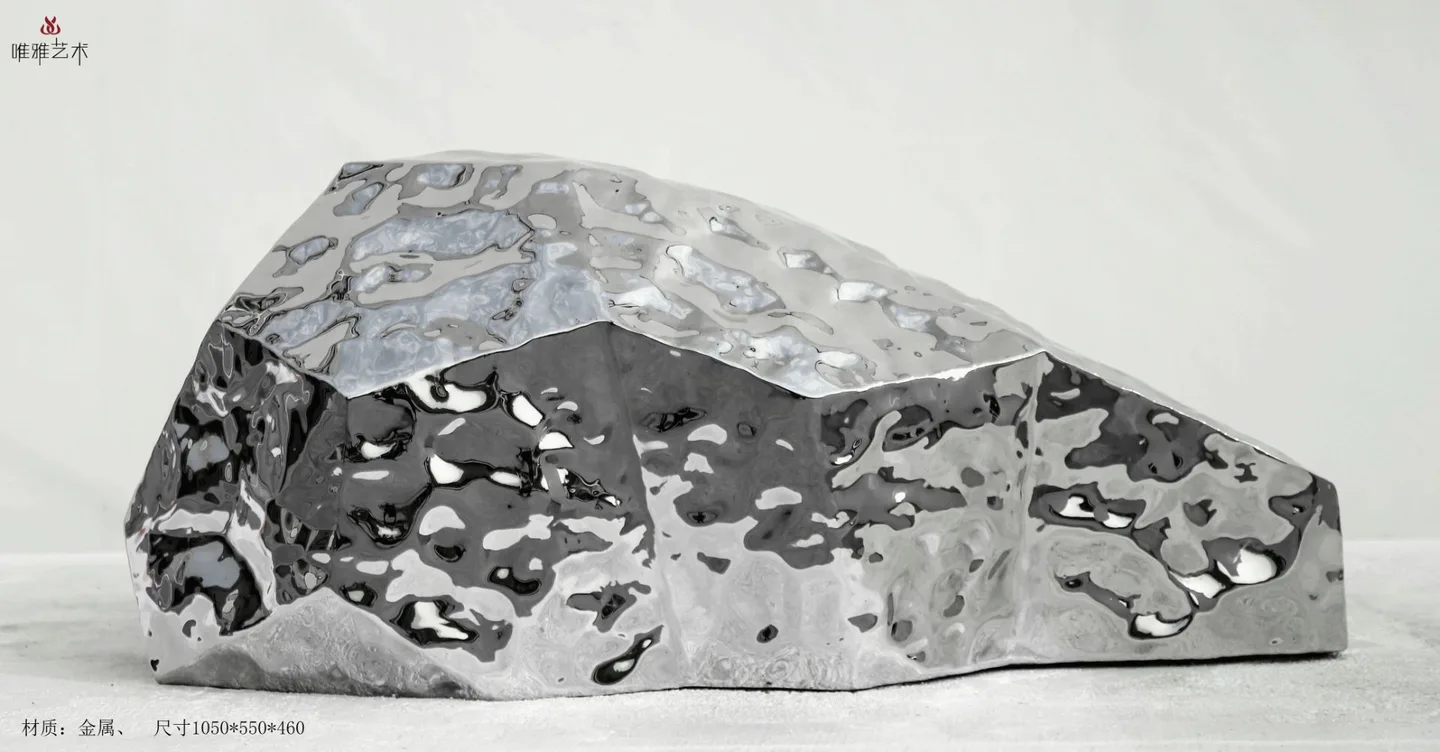
Bring the finish sample approval record into this discussion. Appearance approval and maintenance approval are different decisions. The designer can accept the visual reference while the facilities representative still needs to confirm whether the proposed care can be carried out. Record both decisions instead of treating a signed colour sample as agreement to an unspecified lifetime care obligation.
Ask what happens when the finish changes after sample approval. A revised texture, coating, seam treatment or sheltered geometry may change the questions the care provider needs to answer. Keep the revised sample and instructions together; an attractive replacement photograph does not supersede a written care restriction.
Check who can reach and care for each zone
Walk the proposed care route with the operator’s representative. Identify which faces can be observed from the normal public area and which require separately planned access. Ask the appointed professionals to define any access equipment, isolation, protection or competence requirements. Procurement staff should record those requirements rather than improvise a cleaning position or assume that a ladder will solve the problem.
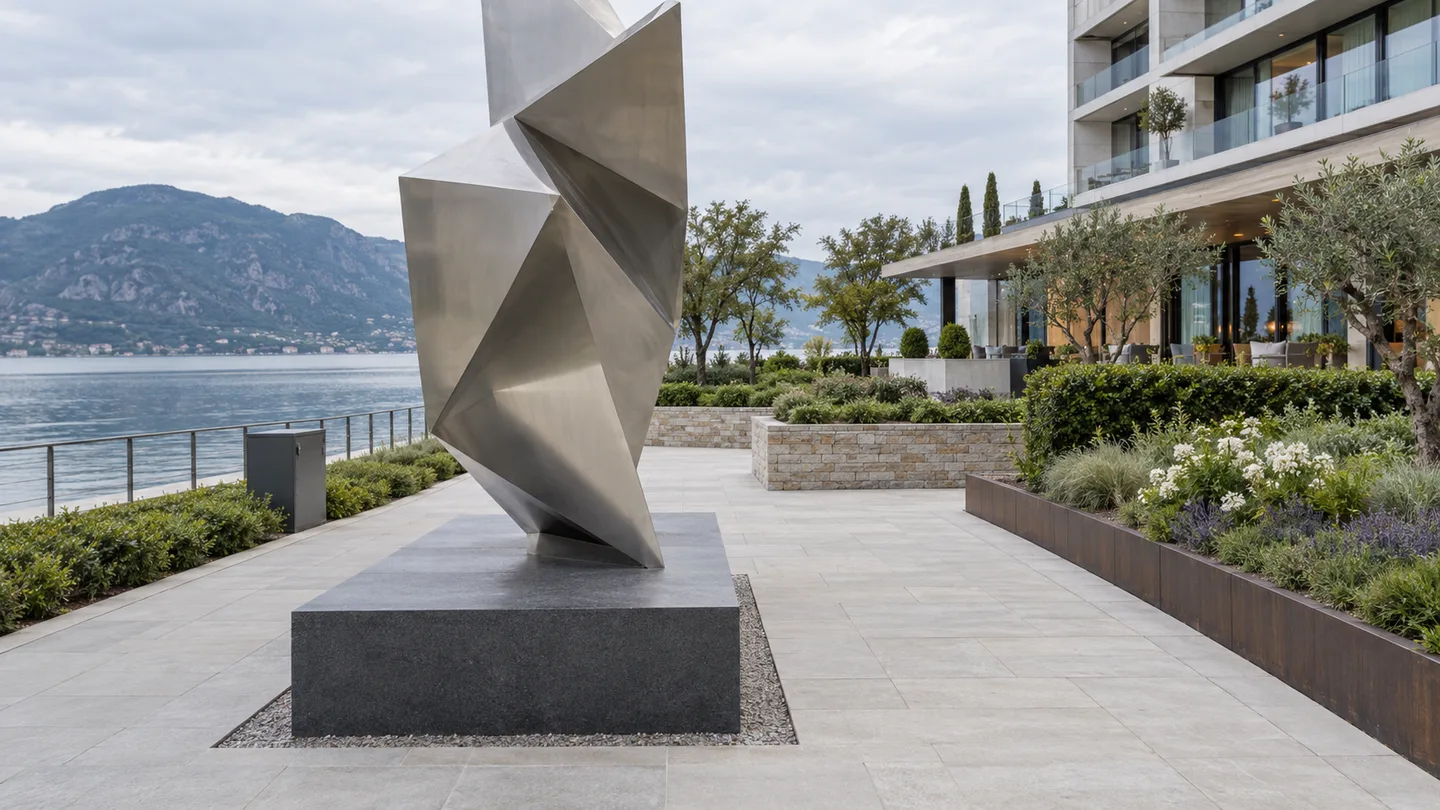
Confirm where water and approved supplies would come from, where cleaning runoff may go and who coordinates temporary access restrictions with hotel or venue operations. Check whether the agreed activity can be performed without affecting guests, planting or adjacent finishes. A care instruction that depends on unavailable access or an unapproved discharge route remains an open procurement issue.
Include the back of the plinth and other easily forgotten areas in the record. Ask whether landscaping, furniture or a future event layout could obstruct access. The relevant deliverable is a feasible care arrangement accepted by the operator, not simply a statement that the artwork is easy to maintain.
Assign a care owner and a review trigger
Miami-Dade’s public art programme describes defining regular-care responsibilities and a communication protocol near the end of commissioning. For a private project, use the same practical question: who receives an observation, who may authorize action and who keeps the record? This is a coordination principle, not adoption of the county’s funding model or an assertion that its procedures govern your project.
| Decision | Evidence to request | Owner to name |
|---|---|---|
| Exposure assumptions | Dated site views; sheltered and wetted zones | Designer and site representative |
| Material and surface proposal | Identified system; sample and supporting documents | Maker and appointed technical reviewer |
| Care activity and access | Written method restrictions; access requirements | Care provider and facilities representative |
| Change or damage observation | Location, date, photographs and current instruction | Operator and appointed assessor |
| Escalation and revision | Who decides; revised instruction; communication record | Owner’s nominated decision lead |
Put an actual contact or role in the live worksheet. “Supplier to advise” is not a completed assignment if nobody is contracted to respond. Distinguish routine observation from specialist assessment and treatment. If the care contract excludes an activity, retain that exclusion and assign the next action before handover.
Use observations to review the plan
Agree a photographic baseline at handover: overall views, identified faces and the details that the responsible reviewer considers important. Use repeatable locations so later records can be compared. Note lighting, recent rain or cleaning and areas that could not be observed. A difference between two images may reflect different lighting or wetness; the record should describe what was seen before anyone labels its cause.
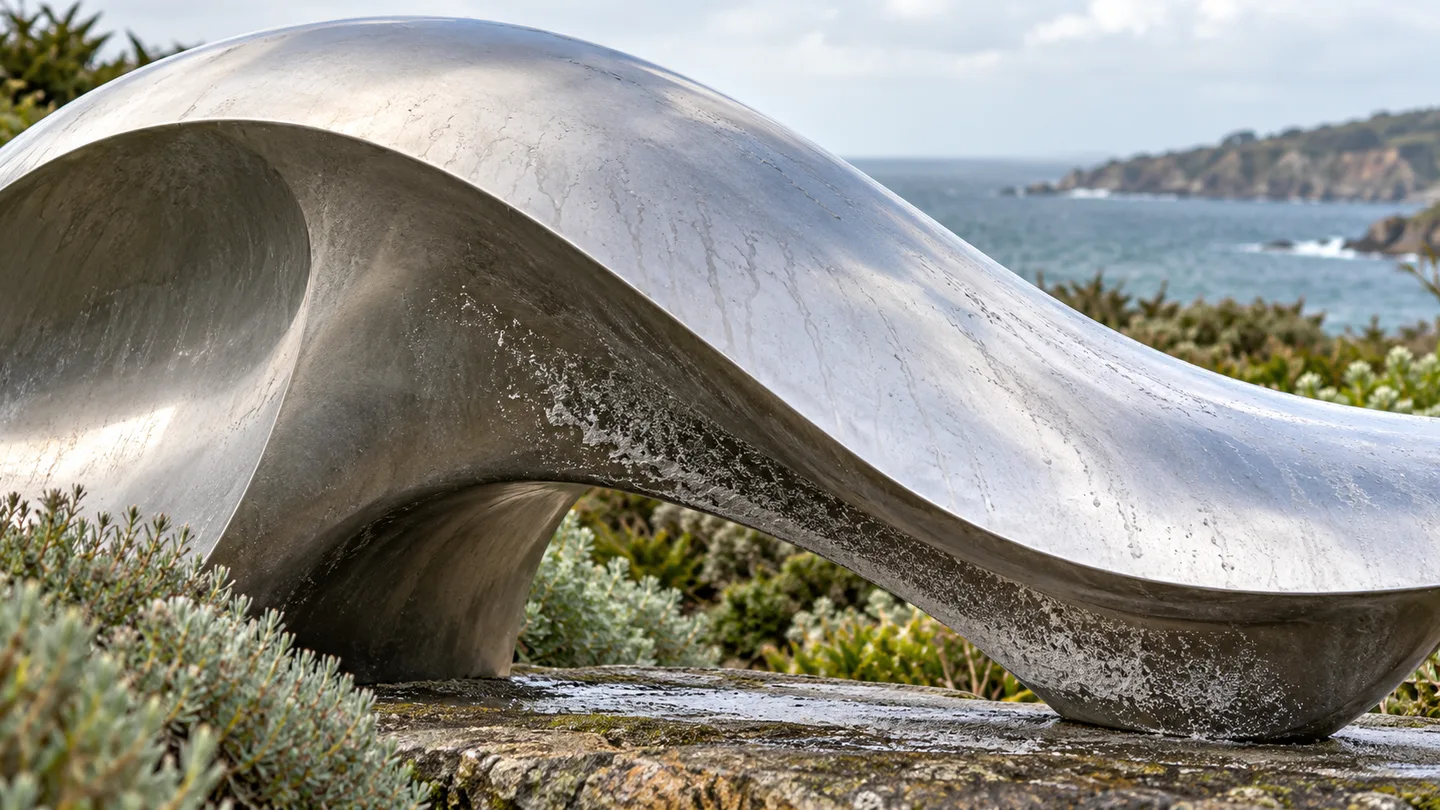
Discuss review triggers with the care provider: a changed surface appearance, persistent deposits, unexpected runoff marks, damage, inaccessible areas or a change in irrigation or landscaping. Have the appropriate specialist define the response for the actual material and finish. Do not add a new chemical, abrasive or protective coating because a generic online article recommends it.
For an inherited work with no confirmed finish record, the first task is identification and assessment, not a guessed cleaning recipe. Keep the limits of the available information explicit and seek the relevant professional advice. An observation log helps the owner ask better questions; it does not authorize a treatment or prove that visible staining is merely cosmetic.
Compare care obligations alongside the purchase scope
Ask each bidder to respond to the same site and care brief. Separate the fabrication proposal from initial care documents, staff familiarization, routine maintenance and specialist follow-up. Request explicit inclusions and exclusions. If a proposal assumes an existing facilities team, confirm that the operator actually has the required capacity and agrees to the stated tasks.
Avoid selecting an offer by a generic “maintenance free” phrase. Ask the proposer to state the conditions and limitations behind the intended appearance. Compare what documentation and support are offered, without inventing annual costs or predicting a service life. Where a requirement remains unresolved, identify the decision that must wait and the person responsible for resolving it.
A current-year reminder comes from the City of Las Cruces notice dated 18 March 2026, announcing maintenance and repair of The Palms. It is evidence of an actual maintenance programme, not evidence that the work failed or that its materials are suitable for your coastline. The procurement lesson is to reserve a route for future care; do not turn a public notice into a supplier comparison or a promised maintenance budget.
Download and use the coastal maintenance brief
Download the coastal sculpture maintenance brief — CSV. The blank tool has rows for exposure, shelter, water sources, surface identity, access, care, observations and change control. For each row record the evidence reference, proposed requirement, responsible reviewer, open action and dated decision. It contains no preset grade, cleaning interval or assumed acceptance.

Start with the rows the owner can answer and circulate the same version to the designer, maker and care provider. Mark a row “pending” until its evidence is available. A facilities representative may accept the proposed access while the material reviewer still has an open surface question; keep those decisions separate. Before release, record which unresolved item affects fabrication, site works or handover, and who can close it.
UAP’s preservation practice connects condition assessment, artwork history and materials with maintenance planning. Our worksheet applies that planning perspective to a buyer’s brief. It is an original coordination tool, not a conservation management plan, a certification or a representation of UAP’s services as Weiya’s own.
Connect the brief to your artwork inquiry

Use the metal artwork catalogue and custom metal sculpture references to communicate the intended form. Discuss water paths with the outdoor sculpture drainage review, and consult the existing project photographs for visual context without assuming identical site conditions.
Send a project inquiry with the coastal care brief: include authorized design references, dimensions or their current basis, quantity, destination, site views and target date. State what the operator can maintain and which conditions remain unknown. Ask for a project-specific scope and supporting information; catalogue appearance alone does not confirm suitability.
Frequently asked questions
How often should a coastal sculpture be cleaned?
Use an interval proposed for the actual site, material, finish and access arrangement, then review it against documented observations. There is no single interval established by this guide. Ask the appointed care provider to identify the method, limits, review triggers and responsibility rather than copying a generic calendar.
Does stainless steel mean maintenance free beside the sea?
No. A generic material name does not resolve the effects of salt exposure, sheltering, finish, fabrication or care. Obtain a project-specific material and surface proposal and have the appropriate reviewer assess it with the site evidence. This guide does not prescribe a stainless grade or guarantee resistance.
Can rainfall replace a care plan?
Do not assume so. Different faces may be sheltered or retain deposits, and rain does not establish a compatible cleaning method. Record which zones are exposed and which are not, then ask the care provider to address the actual conditions and the operator’s ability to carry out the agreed work.
What should we request before accepting a finish sample?
Request the identified material and surface system, the sample code, appearance reference and proposed care documents. Record visual approval separately from the operator’s acceptance of care and access requirements. A signed colour sample alone does not confirm a workable maintenance arrangement or a service life.
What if the sculpture has marks but no material records?
Document the location, date, photographs and available history, including areas that could not be observed. Seek identification and assessment from the appropriate professional before choosing treatment. Do not infer the cause of a mark from a photograph or add a chemical, abrasive or coating without confirmed compatibility.
Is the CSV a maintenance contract or conservation plan?
No. It is a blank procurement coordination worksheet that records requirements, evidence, owners and open decisions. The appointed professionals and the actual agreement determine care methods, technical acceptance and responsibilities. Keep the approved instructions and later revisions with the artwork record.
Sources and further reading
Sources read on 29 October 2026. References support the limited observations identified in the text; our worksheets, matrices and illustrative scenarios are original editorial tools. Citations do not imply endorsement, a partnership or a shared client. Apply the actual project requirements rather than another organization’s contract or technical solution.
- Australian Stainless Steel Development Association — FAQ 6: Preventing Coastal Corrosion (Tea Staining)
- UAP — Preservation: assessments, conservation planning and maintenance schedules
- Miami-Dade County Art in Public Places — Restoration & Maintenance
- City of Las Cruces — The Palms Sculpture Repair and Maintenance, 18 March 2026