Large Acrylic Sculpture: Specify Optical Appearance and Viewing Conditions
Specify a large acrylic sculpture with an agreed viewing schedule: identify the material proposal, representative thickness and geometry, lighting scenes, backgrounds, observer positions and retained sample. Approve the intended visual effect and record unresolved differences before releasing fabrication; a photograph alone cannot establish optical quality or structural suitability.
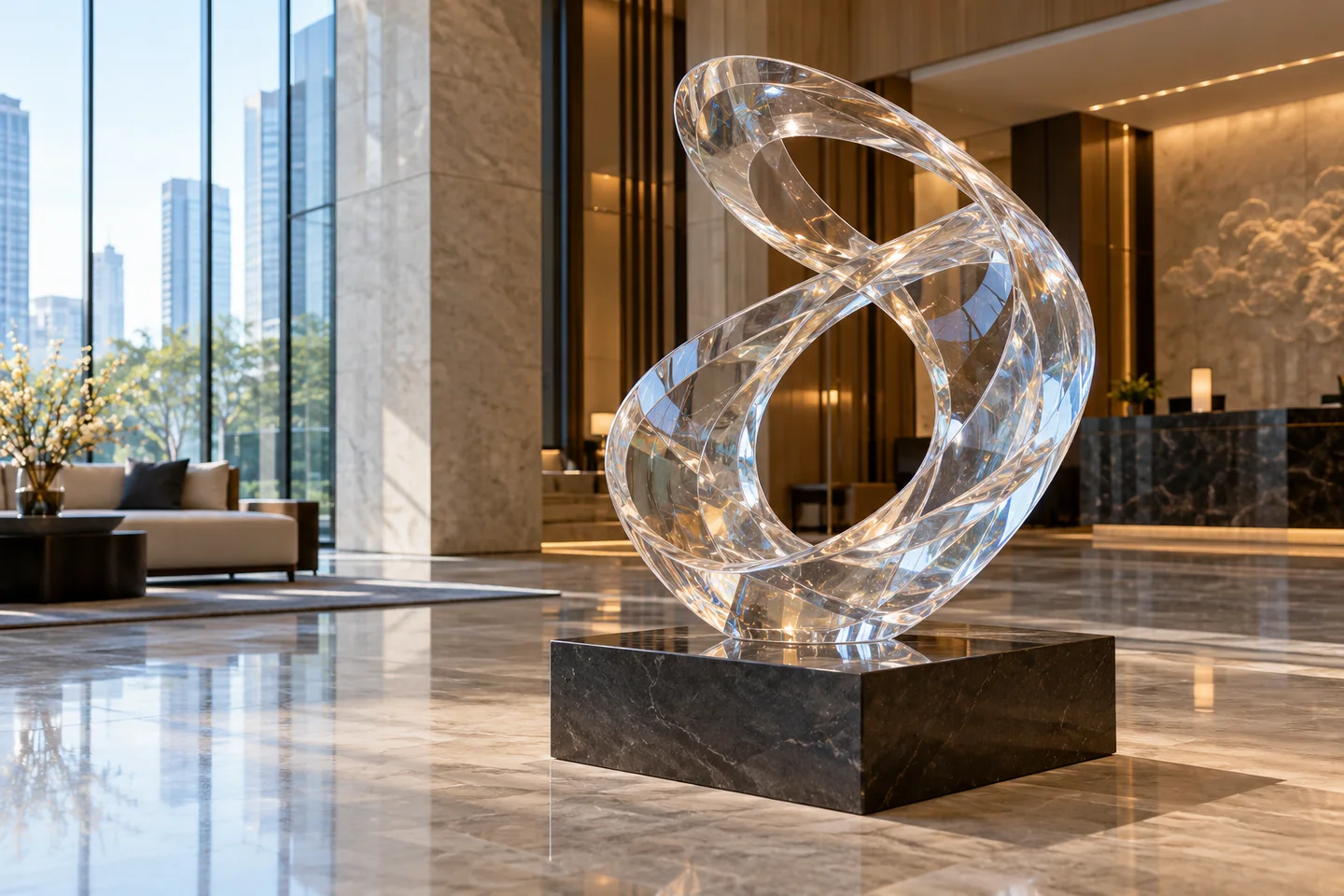
Describe what the viewer should actually see
Start the large acrylic sculpture specification with the intended experience. Is the work meant to look almost invisible from the entrance, reveal an edge when people pass, or hold a coloured presence against a pale wall? Those are different approval questions. Give each intended effect a location on the plan and a short description that a designer and buyer can discuss together. Avoid relying on words such as crystal clear, premium or flawless without a shared reference.
Record the main arrival view, an ordinary circulation view and any close view available to visitors. Identify the background in each direction: glazing, planting, a reception desk and a dark wall can make the same object look very different. If a background is still being designed, label that view provisional. The buyer should know which decision is stable and which depends on the interior package.
LACMA's account of Helen Pashgian's acrylic installation describes an experience that changes as people move around the work. That observation supports a multi-view review; it does not establish how an unrelated sculpture should be manufactured. Use the principle to ask better questions about your own proposal.
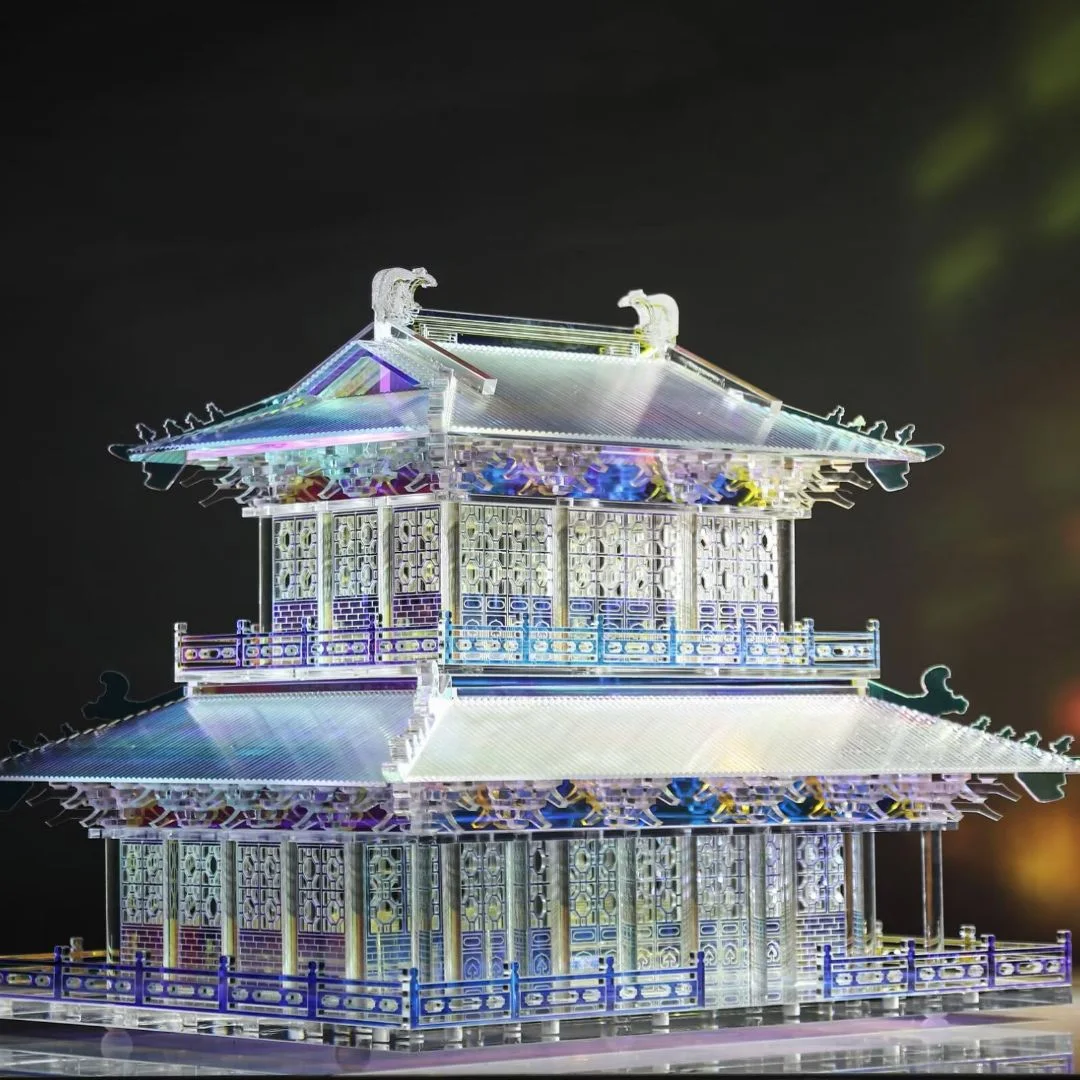
Connect appearance to representative geometry
Ask the proposed maker to identify the material family and the construction being offered. A category name or transparent photograph does not identify a grade, a casting method or an assembly detail. Record the proposed thickness range, curvature, edges and visible joins as items requiring confirmation. The professional responsible for engineering must separately determine support and load requirements.
A small flat colour chip can help compare tint, but it cannot answer every question about a large curved volume. Specify what the sample represents and what it cannot represent. If the design includes a thick edge, an internal overlap or a visible bond line, ask for a representative detail or a documented explanation of how that feature will be assessed. Agree who decides whether another sample is needed.
Do not turn an attractive catalogue photograph into an acceptance tolerance. Its lighting, scale and image processing may be unknown. Reference a photograph for silhouette or colour direction, then ask for project-specific evidence. Keep the drawing revision and sample code together so a later geometry change cannot silently inherit approval from an earlier shape.
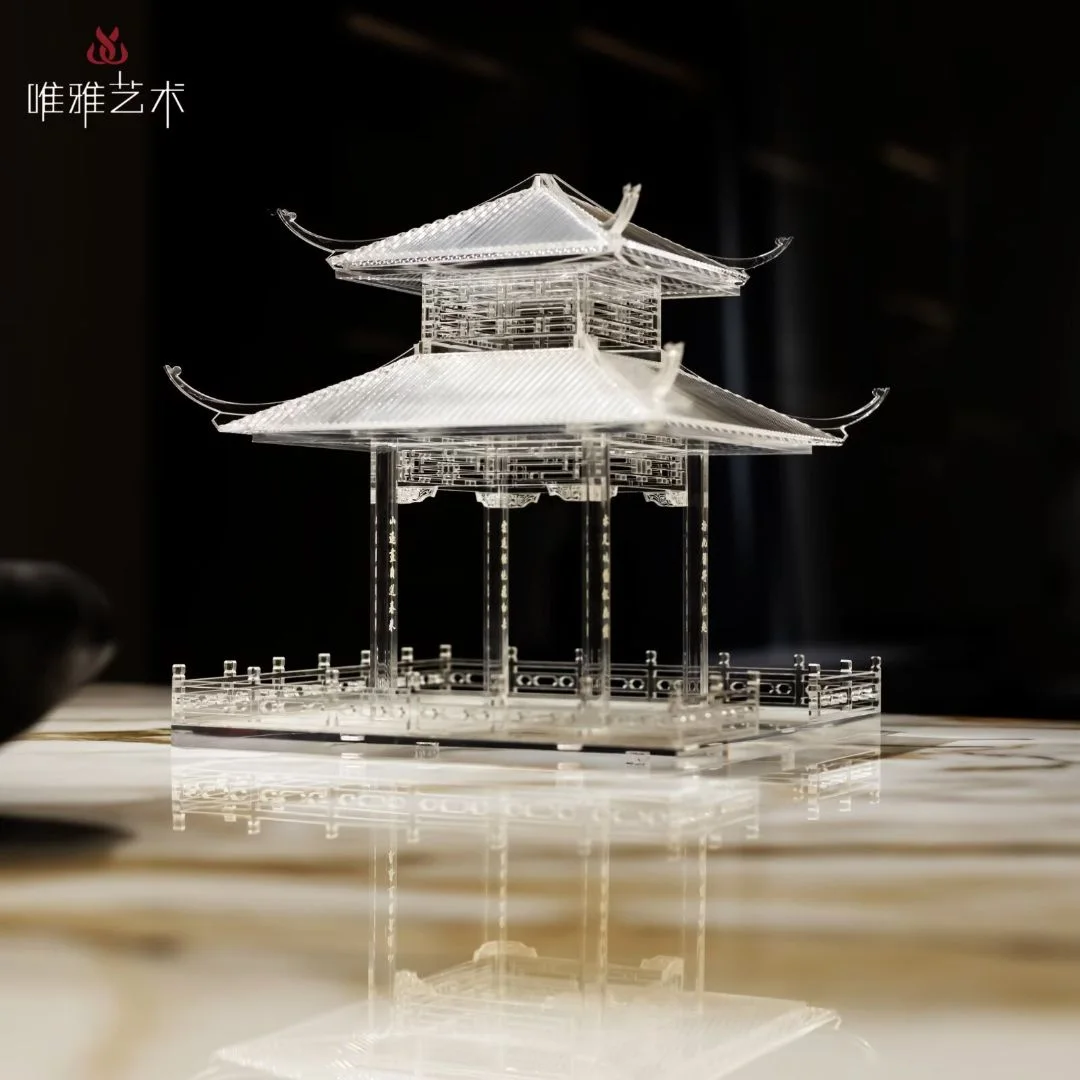
Review the actual lighting scenes
List the scenes the operator expects to use: daytime, evening reception, event lighting and any dedicated artwork lighting. Describe each scene using the available lighting schedule rather than guessing a colour temperature from a phone image. Record whether the luminaire position, output setting and nearby decorative lights are final. If they are not, identify a person who can confirm them.
ERCO's sculpture lighting guidance explains that direction and background influence the perception of form and surface. Its practical recommendation to inspect an artwork in the room is useful here. Procurement should request a coordinated visual review, not impose one universal lighting angle on every transparent form. A camera image can be supporting evidence but should not replace the agreed observation.
At a review, change one condition at a time. Keep the observer position and background constant while comparing two lighting scenes; then keep the light constant while moving to another view. This helps distinguish a material concern from a reflected fixture or a changed background. Record the setting that produced the observation so another reviewer can reproduce it.
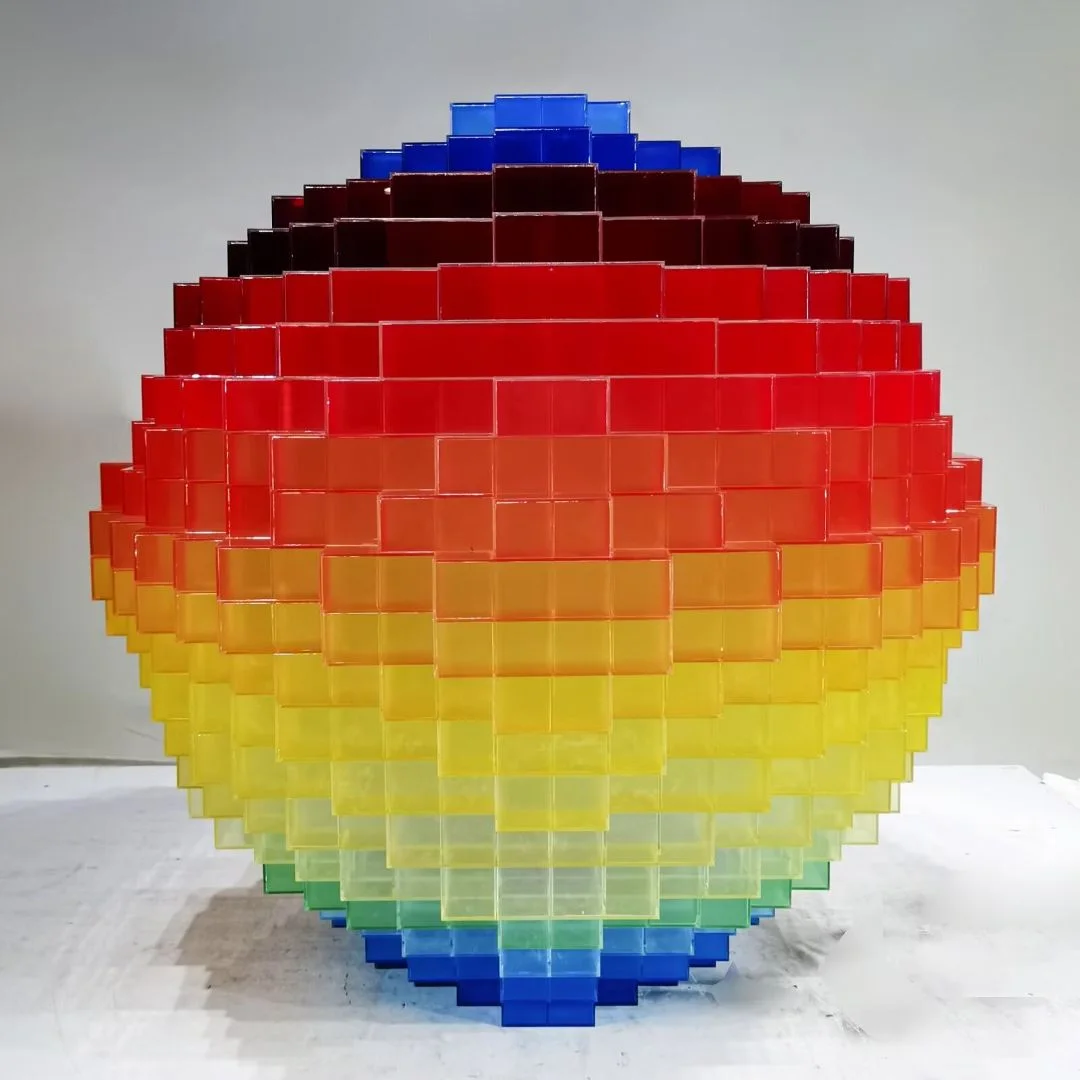
Use a viewing matrix instead of one hero photograph
Create one row for each important viewing condition. Record the drawing revision, sample identity, position, approximate viewing distance or marked floor location, background and lighting scene. Add the intended effect, the actual observation and the decision owner. A row can remain pending when the relevant setting is unavailable. Do not convert missing evidence into acceptance.
Separate ordinary viewing from diagnostic inspection. A designer may want an edge examined closely to understand how it is finished, while the contractual appearance decision concerns the agreed public viewing conditions. Write down both purposes. There is no universal distance or defect limit supplied by this guide; those conditions belong in the project agreement and sample record.
A useful decision is specific: accepted for the evening arrival view, pending review against the revised daytime background. A vague note such as looks good leaves the next team without a usable boundary. Keep an overall photograph and a detail photograph for each material concern, with the same sample code in the file names. Preserve the original files alongside any annotated copies.

| Evidence | Useful decision | Open limitation |
|---|---|---|
| Reference photograph | Visual direction | Unknown camera and setting |
| Identified sample | Represented appearance | Unrepresented scale and geometry |
| Room review | Agreed viewing scene | Later changes require review |
Compare proposals without hiding unresolved differences
Compare the evidence behind each proposal before comparing the visual promise. One bidder may offer a colour chip, another a curved detail and another only a rendering. These are not equivalent approval packages. Ask each party to state the sample scope, assumptions and exclusions, and give them the same current drawing and viewing schedule.
Use the comparison table below to identify the next action. If two samples differ, first check their identities and the conditions in which they were photographed. Then compare them side by side under the agreed conditions where practical. Do not reject or accept a proposal solely because a presentation image looks brighter.
The 2026 exhibition Between Color and Light at Rafael Pérez Hernando Gallery describes acrylic works in relation to architectural space and changing illumination. This is a relevant artistic example of context affecting perception, not a test report for commercial fabrication. It reinforces why the brief should identify the intended visual scene rather than promise that a material will look identical everywhere.
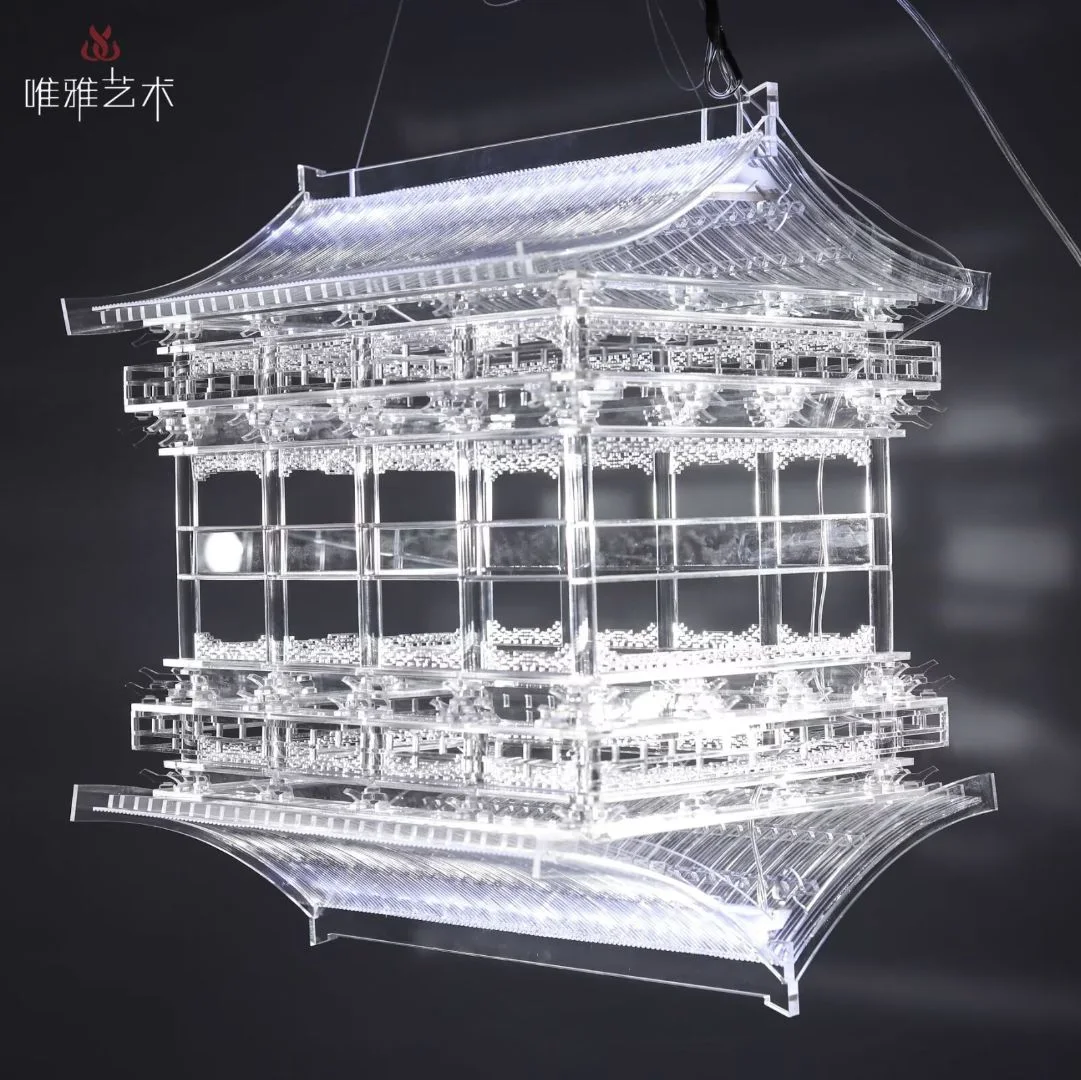
Set a release gate and a change trigger
Before fabrication release, circulate a compact approval pack: current design views, identified sample, viewing matrix, open issues and a named decision owner for each issue. Distinguish visual approval from structural, fire, electrical or installation review. The signatures and documents required depend on the actual project and local requirements. One approval should not be presented as covering every discipline.
State which changes return the proposal to review. A new material system, different section, relocated join, altered tint, new background or changed lighting scene may affect the visual decision. Ask the responsible team to assess the change rather than automatically requesting an entirely new prototype for every minor revision. Record the reasoning and the revised scope of approval.
Retain the approved sample under identified storage conditions and record who holds it. At delivery, compare the delivered work with the current agreement and reference records. If a difference is observed, document it before selecting a response. Do not polish, heat, coat or chemically treat the work to match a photograph without material-specific approval.
Download the optical review worksheet
The CSV contains a blank record for the important viewing conditions, sample identity, drawing revision, observation and approval owner. It is a procurement coordination tool. Start with the entrance view and add only the scenes that matter to the project. Too many unprioritized rows can obscure the actual decision just as easily as an incomplete checklist.
For an illustrative hotel lobby, the arrival view may be ready for review while the evening scene depends on a lighting mock-up. Record the first decision and leave the second pending with an owner and a date for review. This is an example workflow, not a Weiya project or a promised approval schedule.
Use the acrylic catalogue to communicate a visual direction and the drawing approval guide to coordinate revisions. Send authorized references, approximate dimensions, quantity, destination and intended display conditions with your inquiry. If a material property is essential, state the requirement and request supporting documentation for the proposed system. A catalogue reference and an editorial worksheet cannot establish that property on their own.
Connect the review to your project
Browse acrylic sculpture references, coordinate the drawing approval record, and use the finish sample review. Compare the transparent resin sample guide when selecting the right approval process. Existing project photographs provide visual context. Send a scoped project inquiry with the completed record.
Frequently asked questions
What belongs in a large acrylic sculpture specification?
Specify a large acrylic sculpture with an agreed viewing schedule: identify the material proposal, representative thickness and geometry, lighting scenes, backgrounds, observer positions and retained sample. Approve the intended visual effect and record unresolved differences before releasing fabrication; a photograph alone cannot establish optical quality or structural suitability.
Can a photograph replace the physical reference?
Photographs are useful records when the sample identity, scene and viewing position are known. They can also change with exposure, white balance and display settings. Agree which decisions can be made remotely and which require physical comparison. Keep the original images and record any limitations with the decision.
Does a small flat sample approve a large curved sculpture?
A sample approves only the characteristics it represents. Record its thickness, geometry and purpose, and identify unresolved edges, joins or curved regions separately. Ask the designer and proposed maker which representative details need further review before fabrication release. A colour decision alone does not establish structural or optical acceptance of the whole work.
Who should authorize changes after approval?
Name the decision owner for each part of the approval pack. A visual change may need the designer, while material, structural or site questions may need other appointed professionals. Record the revised drawing or sample, the reason for the change and its scope. Keep approval boundaries visible through handover.
Should staff polish a mark to match the sample?
First document the mark, its location and the known history, then ask the appropriate material or conservation professional to assess it. Use only instructions confirmed for the actual material and surface system. An improvised abrasive, solvent, coating or heat treatment can change the appearance and complicate later assessment.
What should accompany an inquiry?
Provide authorized design references, dimensions or their current basis, quantity, destination, target date and the intended display conditions. Include the relevant worksheet and identify unresolved requirements. Ask for a project-specific scope and the documents needed for approval; the worksheet itself is not a certification or a technical acceptance.
Sources and further reading
Read on 1 November 2026. Source observations are distinguished from our original procurement tools. Citations do not imply partnership or endorsement.