Transparent Resin Sculpture: Sample Approval and Display Care
Approve a transparent resin sculpture using an identified, representative sample and agreed viewing conditions. Record colour, clarity, intentional inclusions, surface appearance and unresolved issues separately from material suitability. Before handover, obtain compatible care instructions, establish a condition baseline and assign an owner for display changes and damage reports.

Identify what the sample actually represents
Transparent resin sculpture sample approval begins with identity. Ask for the proposed material system, sample code, production or preparation date where available, surface treatment and the drawing revision it represents. If the exact formulation is not yet selected, mark that limitation. A transparent appearance cannot identify whether a piece uses epoxy, polyurethane, polyester or another system.
Ask whether the sample represents colour, surface, a section detail or the complete intended construction. A thin flat sample may help select a tint while leaving thick sections, joins and the overall form unresolved. Write those boundaries next to the approval decision. A sample can be useful without being a complete prototype, provided everyone understands its role.
Keep one master reference under an agreed custodian and identify any duplicates. If photographs circulate separately, include the sample code and revision in their names. A buyer should be able to trace a later question back to the physical reference. Do not allow a new photograph or replacement swatch to supersede the approved reference without a recorded decision.
Separate colour, clarity and intentional features
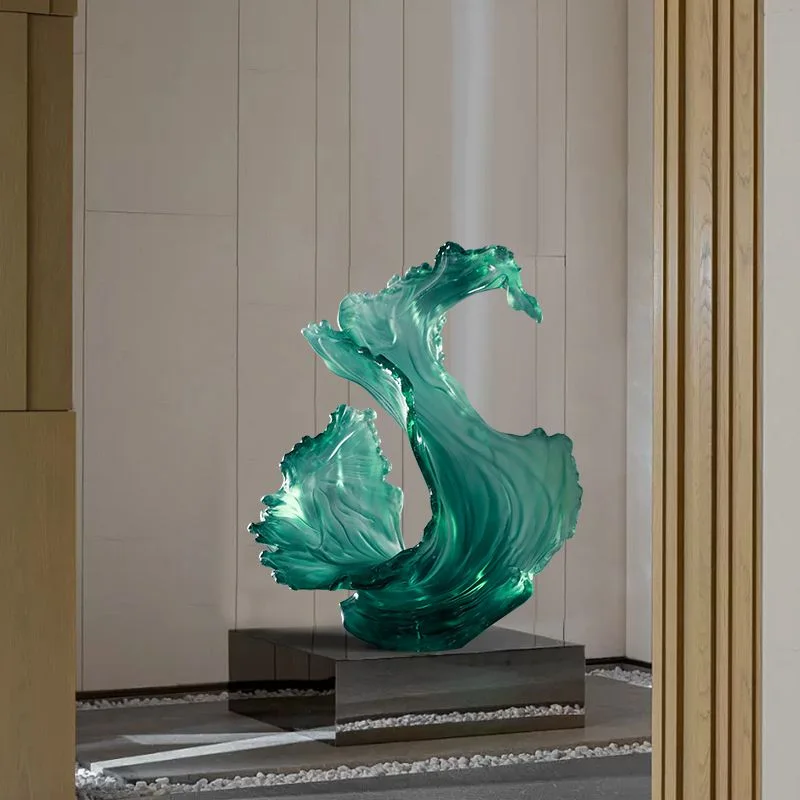
Describe the desired appearance in separate fields. Colour, transparency, surface sheen, visible interfaces and intentional internal effects can each need a different reference. Avoid using a single word such as perfect to cover them all. A textured or deliberately clouded artistic surface should not be judged by a criterion intended for a smooth clear window.
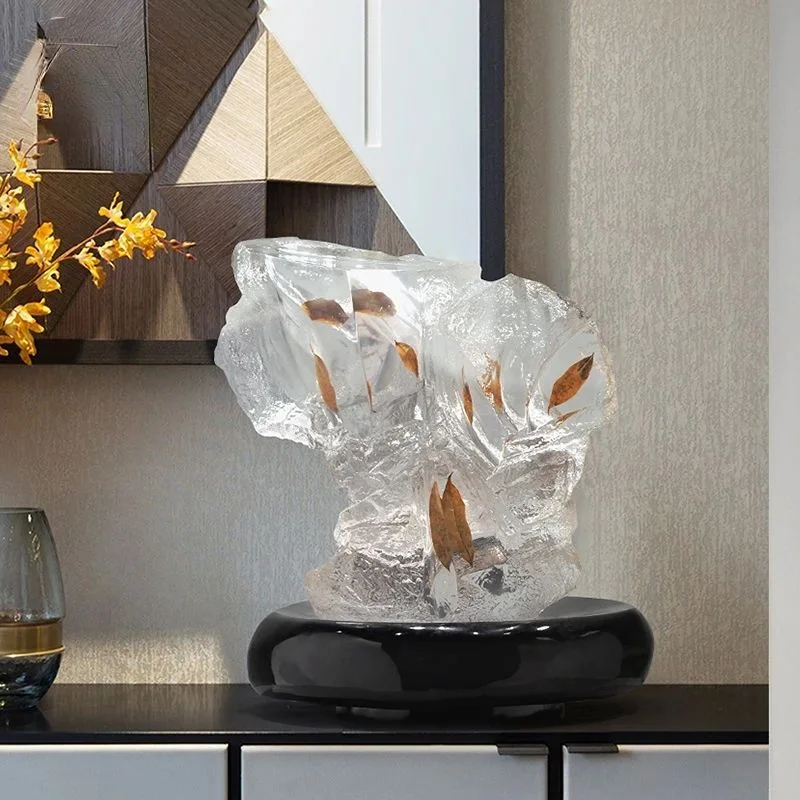
Ask the designer to identify which internal features are intentional and which require review. If a mark is observed, record its position, the viewing condition and an overall photograph before attempting to name its cause. A picture alone does not establish whether a feature is a bubble, an inclusion, a reflection or an effect of the geometry. The appropriate technical reviewer should assess the evidence.
The approval record should distinguish accepted features from open questions. For example, the designer may accept a blue colour direction while a joint detail remains pending. This is more useful than signing a broad sample approval that the next team may interpret as accepting every visible or technical characteristic of the finished work.
Keep the review conditions repeatable
Review the sample against the relevant display backgrounds and under the planned light scenes. Mark the observer positions and note whether the light comes through the object, reflects from its surface or strikes an edge. Keep these observations descriptive unless a qualified reviewer has specified measurements. A phone camera's automatic exposure and white balance can change the comparison.
Take photographs as a record of the session, keeping original files and noting the scene. When remote review is necessary, state its limits and decide which questions require a physical comparison. Do not turn a video call into an undocumented substitute for a sample examination. The project agreement should identify the basis for acceptance.
Use the same sample code in the drawing comments, meeting notes and image names. If two parties report different appearances, compare the background, light and viewing direction before asking for a material change. This simple step can avoid changing a formulation to solve a problem that belongs to the lighting or display package.

Ask exposure questions without promising a lifetime
Identify the intended display environment: indoor location, nearby glazing, sunlight patterns, heat sources, public contact and proposed lighting. Where information is missing, record it as a question for the operator or design team. An indoor label alone does not define all exposure conditions, and a transparent photograph says nothing about long-term stability.
Smooth-On's own guidance distinguishes resistance to ultraviolet exposure from an unlimited stability promise. Its discussion is product-specific and depends on exposure and configuration. Use it as a reason to request evidence for the proposed resin system; do not transfer a manufacturer's test result or service-life statement to an unidentified Weiya catalogue item.
Ask the supplier to explain the basis and limitations of any proposed material claim, including what changes in appearance are expected and what evidence supports the proposed use. If the intended environment changes, return the issue to the responsible reviewer. A retained sample records an agreed starting appearance; it does not by itself prove how a large finished object will age.

| Evidence | Useful decision | Open limitation |
|---|---|---|
| Reference photograph | Visual direction | Unknown camera and setting |
| Identified sample | Represented appearance | Unrepresented scale and geometry |
| Room review | Agreed viewing scene | Later changes require review |
Obtain a compatible care method before handover
Request written instructions for the actual resin and surface system. The instructions should identify permitted materials, restrictions, the person responsible for confirming compatibility and when work should stop for assessment. Procurement should not assemble a cleaning recipe from advice for unrelated plastics or from a generic household product label.
The Art Gallery of Ontario's discussion of acrylic conservation illustrates why material identification and chemical compatibility matter. It concerns PMMA, not every transparent resin. The useful procurement lesson is to ask the right material-specific question. Do not copy an acrylic treatment method into a resin handover sheet merely because both objects look clear.
Clarify how staff will reach the display, protect surrounding finishes and keep the work isolated from ordinary cleaning activities when required. Record who may handle the sculpture and what approval is needed before moving it. Where an artwork has fragile projections or a special surface, the appointed maker or conservation professional should define the appropriate care and handling conditions.

Create a condition baseline and an escalation route
Before public display, record the delivered object's identity and the approved reference it should be compared with. Photograph the overall form, accessible faces and identified features under the agreed scene. Note areas that cannot be examined. Keep the date, observer and any unresolved delivery issues with the record instead of treating a clean photograph as a complete inspection.
Assign an operator contact who can receive reports of a new mark, loss of gloss, change in colour or damage. The first action is documentation and appropriate assessment, not an improvised repair. Record the location and when the change was first observed, along with relevant cleaning, moving or lighting changes. Avoid assigning a cause before it is established.
Getty's plastic conservation case study demonstrates that assessment and treatment can require specialist knowledge. It is not a maintenance recipe for a new resin sculpture. For the project buyer, the practical step is to agree who receives evidence, who can authorize an intervention and which instructions remain valid while the issue is being assessed.
Use the sample and display handover record
Download the CSV and use it as a shared register for sample identity, visual decisions, display assumptions, care documents and open issues. Give each item an owner and an evidence reference. A pending item should remain visible through procurement and handover; it should not disappear when an email thread is archived.
For an illustrative retail project, the colour sample may be accepted while the final display position is still moving toward a window. Keep colour approval in place, but flag the revised exposure for review before release. This example is a coordination scenario, not a customer case, a technical recommendation or an indication of Weiya's delivery history.
Use the transparent resin catalogue to communicate the intended form. Bring the finish sample guide and pre-shipment inspection checklist into the same record so that visual approval and delivered condition can be compared. Send authorized references, dimensions or their current basis, quantity, destination and display constraints with a project inquiry. Ask for a scoped response and the supporting documents still needed to close the decision.
Connect the review to your project
Browse transparent resin sculpture references, coordinate the drawing approval record, and use the finish sample review. Compare the large acrylic viewing brief when selecting the right approval process. Existing project photographs provide visual context. Send a scoped project inquiry with the completed record.
Frequently asked questions
What should a resin approval sample identify?
Approve a transparent resin sculpture using an identified, representative sample and agreed viewing conditions. Record colour, clarity, intentional inclusions, surface appearance and unresolved issues separately from material suitability. Before handover, obtain compatible care instructions, establish a condition baseline and assign an owner for display changes and damage reports.
Can a photograph replace the physical reference?
Photographs are useful records when the sample identity, scene and viewing position are known. They can also change with exposure, white balance and display settings. Agree which decisions can be made remotely and which require physical comparison. Keep the original images and record any limitations with the decision.
Does UV resistance promise no colour change?
No universal lifetime follows from that description. Ask for the exact proposed material system, the intended exposure and the evidence supporting the claim. Keep the supplier’s limitations with the approval record and return changes in display conditions to the appropriate reviewer. Do not infer a warranty from a catalogue image.
Who should authorize changes after approval?
Name the decision owner for each part of the approval pack. A visual change may need the designer, while material, structural or site questions may need other appointed professionals. Record the revised drawing or sample, the reason for the change and its scope. Keep approval boundaries visible through handover.
Should staff polish a mark to match the sample?
First document the mark, its location and the known history, then ask the appropriate material or conservation professional to assess it. Use only instructions confirmed for the actual material and surface system. An improvised abrasive, solvent, coating or heat treatment can change the appearance and complicate later assessment.
What should accompany an inquiry?
Provide authorized design references, dimensions or their current basis, quantity, destination, target date and the intended display conditions. Include the relevant worksheet and identify unresolved requirements. Ask for a project-specific scope and the documents needed for approval; the worksheet itself is not a certification or a technical acceptance.
Sources and further reading
Read on 1 November 2026. Source observations are distinguished from our original procurement tools. Citations do not imply partnership or endorsement.