Repeat sculpture orders: mold storage, ownership and change records
Give each sculpture mold and insert an ID. Record who owns it, who holds it, how it may be used and how it can be released. On reorder, verify condition and the current drawing, finish and tooling revisions, then approve a first-off sample before the repeat run.
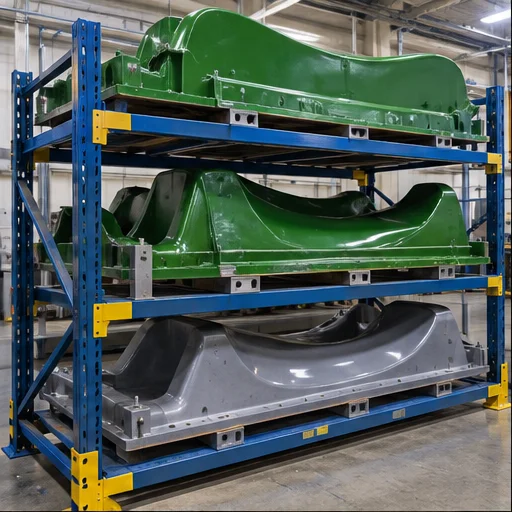
Record the assets before placing the order
List the physical mold halves, inserts and supporting frames alongside the master pattern, digital files and retained samples. Identify the owner and custodian for each. Record authorized use separately, including which variants, suppliers and sites can use brand assets. A charge for tooling alone leaves these operational questions unresolved. BEC Group discusses the commercial distinctions for injection tooling. For a composite sculpture, use the questions in your agreement without importing the manufacturing process or assuming the same terms apply. BEC Group
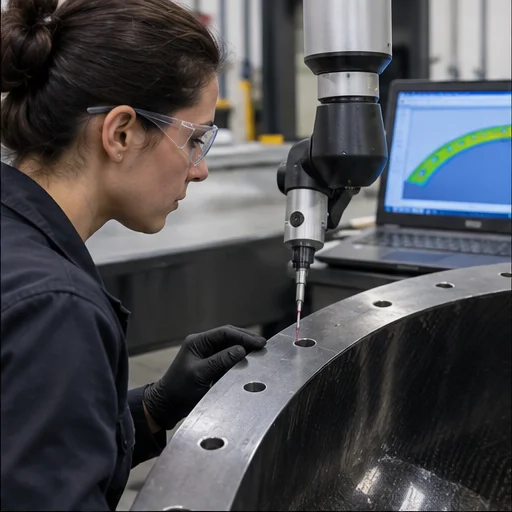
Capture condition when the tool enters storage
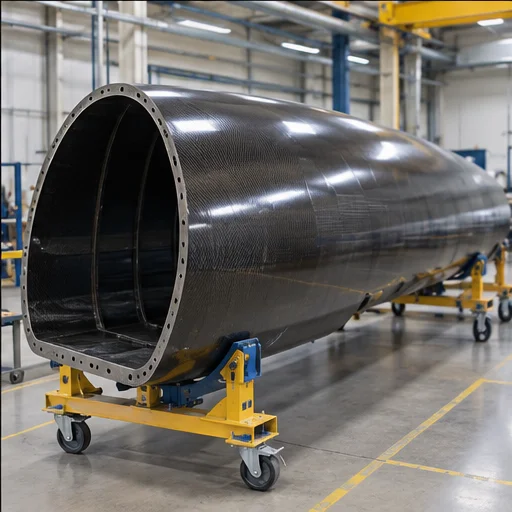
Ask for dated views of identifiable mold halves, flanges and inserts and close-ups of previously repaired or sensitive areas. Pair them with a location, last-run date, inspection owner and next review date. Have the custodian specify supports, covers, handling restrictions and care for the actual tool and release system. Record who authorizes repair or disposal and how much notice is required. A composite tooling manufacturer's work instruction illustrates the use of a traveler and maintenance log for a specific vessel program. A sculpture buyer can request comparable traceability without applying those vessel-specific procedures. Symmetrix Composite Tooling
Triage the change before committing to production
| Reorder condition | Evidence to request | Decision before release |
|---|---|---|
| Same shape, finish and destination | Tool condition photos, last accepted sample and current revision | Confirm an acceptable first-off sample |
| New color on the same geometry | Proposed color and finish sample, paint-system review | Approve finish and confirm the body revision |
| Changed accessory or mounting | Updated drawing and tool or insert impact review | Confirm what can be retained and what must be modified or remade |
| Missing or damaged tooling | Condition report, inventory and costed options | Approve repair, replacement or revised scope |
For example, moving a fixing point could affect an insert, trim operation or assembly drawing. Ask the proposed maker to identify the affected asset before assuming the existing mold can be reused. Record the request, affected revisions, cost and schedule implications, decision owner, and the accepted first-off evidence.
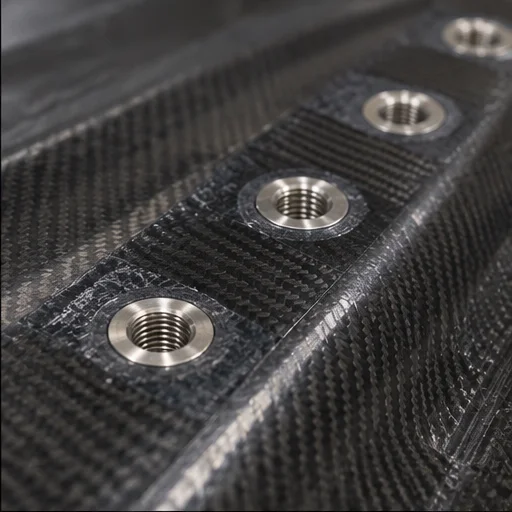
Make release practical
Specify the written release request, notice, inspection and packing responsibilities, and the records delivered with the tool. If a transfer is contemplated, confirm that the receiving shop can handle, support and use the actual equipment and file formats. Ask what happens if storage ends or a tool can no longer be used. Document commercial terms with the parties responsible for agreeing them.
Restart flow: Identify tool and baseline → inspect condition → resolve changes → approve first-off → release repeat quantity.
Distinguish a physical asset from a permission
A mold can be in the custody of one shop, owned by another party, and used only for a specified brand program. Write those facts on separate lines. Treat the master pattern, the digital model and the physical tool as separate deliverables. Ask who can approve a repair, a move or a new run, and whether permission is limited by variant or destination. If a reorder will use a different fabricator, confirm the brand authorizations and the supplier obligations with the responsible parties before sharing files. A storage register is a practical index to the agreed records; use it to locate the controlling agreement and the relevant version instead of letting the worksheet silently substitute for it.
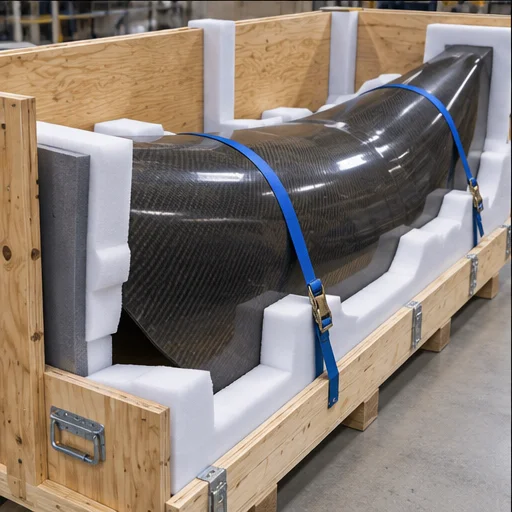
Build a condition record a second person can read
Use an asset ID on the record and in the photo set. Show the tool as stored, each accessible section and the support arrangements, then link any defect close-up to a location on a sketch or labeled overview. A useful condition note describes what was observed, what remains inaccessible, and whether a qualified reviewer has assessed the consequence. Separate observations such as a chipped edge from decisions such as repair before use. Ask the custodian to retain the inspection date and responsible person, and request comparable photos when the tool next moves. If the storage conditions or handling method change, document the change so that an inspection at restart has a meaningful baseline.
Check that the quotation follows the approved baseline
Ask the supplier to identify the model revision, tool ID, current inserts, prior accepted sample and quoted quantities by variant. Request separate lines for inspection, anticipated repairs, new inserts, finish samples, first-off approval and packing or transfer where applicable. This gives the buyer a way to compare a reuse proposal with a replacement option without confusing the scope. If a condition review is still pending, ask which price or schedule assumptions depend on it and when those assumptions can be closed. Assign responsibility for the cost of work discovered after inspection according to the agreement. Avoid treating an old quote as a current release for a new revision.
Plan the first-off check before authorizing a run
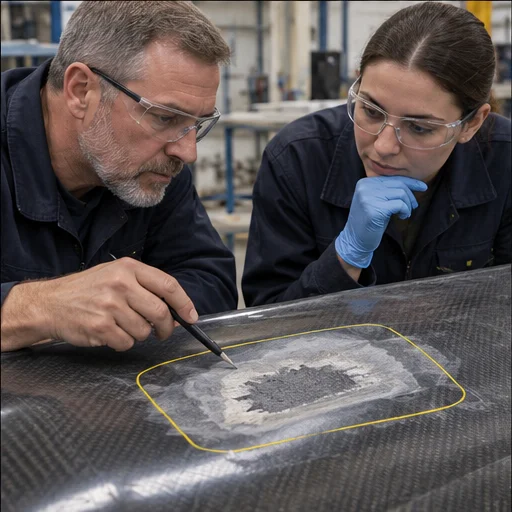
Identify the acceptance views and comparisons when requesting the quote. For a returning character, check the silhouette, accessory fit, mating surfaces and any visible repair effects against the released design and retained sample. Where a finish system changes, use the separately approved finish reference and documented review conditions. Record what must be physically reviewed and which photos or measurements can support remote decisions. Label the reviewed piece with a revision and date. If it is rejected, document the discrepancy, proposed correction and required repeat evidence. Keep production on hold until the designated approver releases the appropriate scope, even if procurement has already confirmed the total planned quantity.
Worked example: the insert went missing
Imagine a three-site rollout in which an existing body is to be repeated, but the removable insert for a badge is absent from the custody inventory. Mark the body mold as present, the insert as missing, and the badge artwork as separately controlled. Ask the shop to identify whether the first-off can be prepared with a replacement insert or whether the affected body region needs a different process. Get a costed scope, confirm who may reproduce the badge geometry, and record the revised insert ID. Compare the first-off badge placement against the approved drawing before releasing that variant. Leave unrelated variants in their existing state if their evidence and approval are still valid. Refer to the mascot design freeze guide for creating the released appearance baseline.
At closeout, ask for a snapshot of the released condition and a copy of the written disposition. Record dates for the next review and the end of agreed storage. If ownership or permission is disputed, flag the item as pending and ask the responsible parties for a written resolution before moving it. The buyer can still identify quantities and target sites while holding the affected variant. In the next order, attach the last approved evidence instead of relying on a description such as same as before. Ask the receiving reviewer to confirm that the first-off sample, file revision and physical tool agree. Give the decision a dated owner so a later repeat team can see who released which variant and why.
Download the worksheet
Set a disposition for retired assets as well as reusable ones. A superseded insert can be held temporarily for comparison, transferred by agreement or retired under an approved disposition. Label that status in the inventory and keep it separate from tools released for current work. When requesting evidence, give the custodian the tool ID and the date of the last accepted sample so they can locate the right set. If the shop proposes refurbishing the surface, ask how the resulting part will be compared with the retained reference and who will sign the comparison before quantities are released.
Download the editable CSV. Assign one row to each decision or asset and add the dated supporting record before release.
Browse relevant sculpture references or send your authorized project brief.
FAQ
Can we reorder from an old purchase order alone?
Use it to locate the record, then verify the released model, inserts, finish reference and tool condition before confirming reuse.
Does ownership include the digital master?
Identify rights and deliverables for the physical tooling, master and digital files separately in the agreement.
What should I send for a repeat-order review?
Send the prior reference number, authorized files, quantity by variant, changes and available condition records through project inquiry. See the FRP character sculpture catalogue for related form references.