Custom Metal Sculpture Installation: Scope and Site Information for a Comparable Quote
Request an installation proposal against the current sculpture design, destination, access route and site conditions. Separate supply, unloading, staging, assembly, placement and site preparation into named responsibilities. Ask the appointed installer and relevant specialists to review the actual method and release requirements before work proceeds.
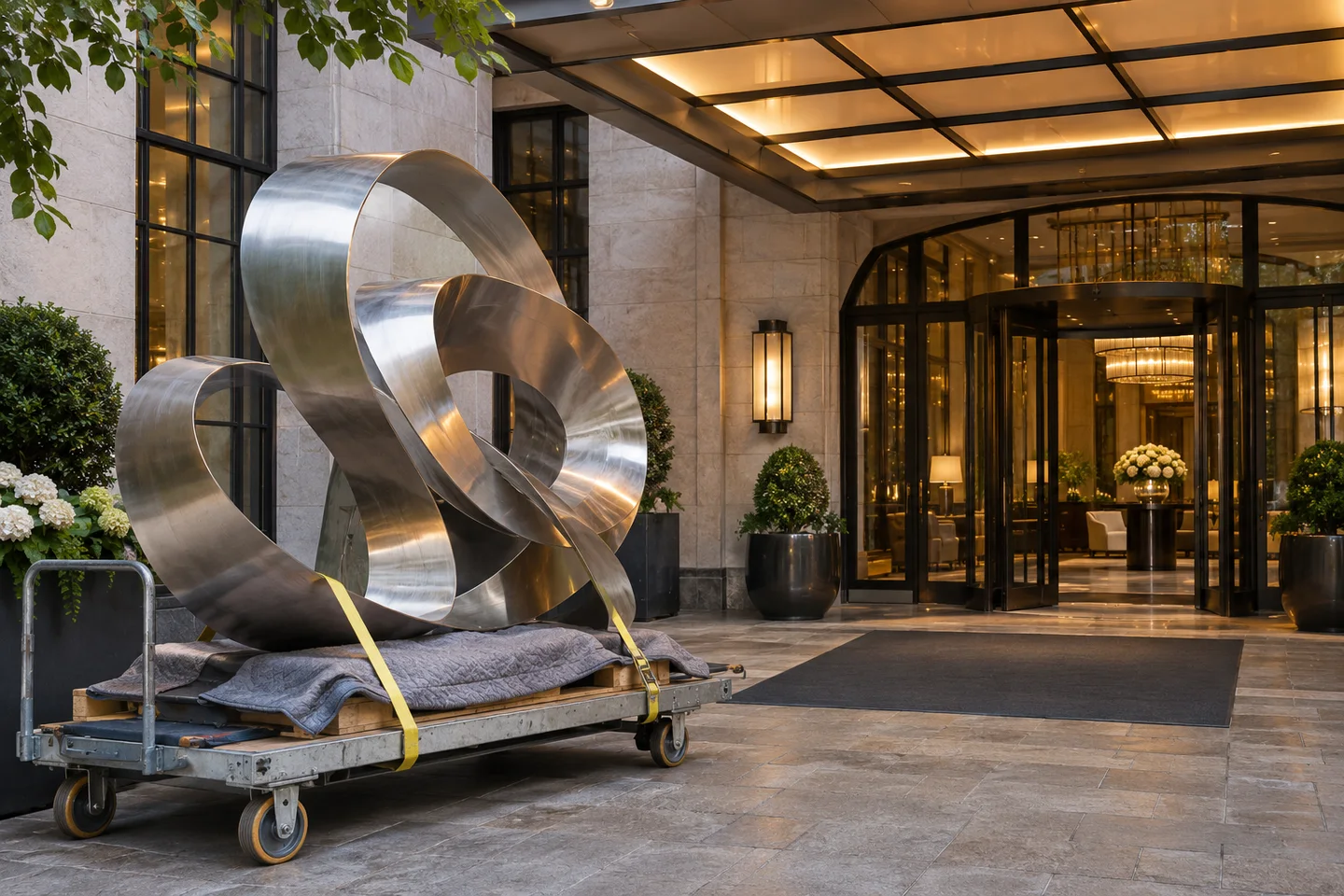
Start with the purchase decision
A commercial buyer needs to know what the proposed supplier will deliver and which responsibilities remain with the project team. Start with the approved concept, dimensions, quantity and material and finish direction. Give the destination and intended installation date with the current design stage. Explain which site information is verified and identify the party that can obtain the remaining details. An estimate made before the site is surveyed needs its assumptions recorded so it can be reviewed when that information arrives.
Compare custom metal sculpture options for the intended setting and indicate which references describe the desired form or surface. Ask the supplier to discuss the proposed fabrication and package configuration against the site constraints. A buying conversation becomes more precise when the client names the problem to resolve, such as an inaccessible courtyard or a finish that must be protected through a shared entrance route.

Separate the activities hidden inside installation
Break the work into receiving, unloading, unpacking, temporary holding, moving, assembly and final placement. Identify any site preparation and the subsequent inspection and handover. Ask who controls the area during each activity and who approves the transition to the next. One proposal may cover delivery to an agreed receiving point while another includes on-site placement. Put both against the same schedule before comparing the price or relying on a shared description such as installed.
The National Sculpture Society identifies shipping, installation, ownership and maintenance among the matters commissioners should settle in an agreement. For a commercial order, use those questions to create a responsibility register that the buyer and suppliers can confirm. It should locate the gap between a supplier's stated scope and the work the building team expects someone else to perform. National Sculpture Society commissioning guidance

Issue the site information with a revision
Locate the sculpture on a plan and show the intended orientation, finished level, footprint and surrounding circulation. Attach site photographs with location and date so the supplier can connect the images to the plan. Identify what must be reviewed at the receiving interface and who provides the project-specific verification. If the sculpture contains lighting, water or another system, list the separate service interface and responsible trade rather than assuming it belongs to the sculpture delivery.
Add a site information register to the RFQ. For every important input, record the source, revision, owner and status. If a floor or access route is still under construction, give the planned completion date and the person who can confirm its final condition. Keep the installed envelope and temporary handling envelope distinguishable so reviewers can assess both the finished result and the proposed work on the way there.
Ask bidders to answer the same scope table
| Activity | Inputs to provide | Confirmation to request |
|---|---|---|
| Delivery and receipt | Address, receiving window and package information | Delivery endpoint and custody handoff |
| Unloading and movement | Surveyed route, staging location and constraints | Included activities and required site inputs |
| Assembly and placement | Released drawings and interface information | Method review, responsible installer and exclusions |
| Site readiness | Finished levels and receiving works status | Evidence needed to release the site |
| Handover | Required records and owner requirements | Final checks, instructions and responsibility closure |
Ask each bidder to return the table with included, excluded or pending review marked for every row. A pending item needs the missing input and a responsible person. For example, an installer may need a confirmed receiving interface before finalizing placement. Keep this as an unresolved dependency, then update the scope once the evidence is supplied. The quotation should explain how additional work discovered after review will be proposed and authorized.
Check access with the people doing the work
Ask the installer what dimensions, conditions and restrictions it needs to assess the proposed route. Include the largest package, temporary staging area, opening hours, nearby public routes and the sequence of other trades. Where special handling equipment is proposed, the responsible team must review the actual access and site suitability. A clear path in a design rendering may later contain fixed furniture, temporary construction works or restrictions imposed by the operator.
Giles Rayner's pricing and logistics page describes working with clients and contractors around site preparation and installation. The practical question for a buyer is how the selected artwork, the site and the named contractors will be coordinated. Use a recorded route and sequence to identify the handoffs. Attach the sculpture access survey to keep the route evidence available to everyone reviewing the proposal. Giles Rayner logistics account

Agree how the artwork is protected between handoffs
Record the condition of the sculpture and packaging when custody changes. Give the receiver the artwork reference, relevant drawings and instructions supplied for the actual work. Agree where unopened or partly unpacked items can be held and who controls that space. Identify whether assembly parts and any temporary protection must be retained until the installation team confirms it has everything needed.
Discuss the finish risks with the fabricator and installer. If a prominent face will be near a handling location or assembly joint, have the team explain the proposed protection and review points. Ask who may remove protective materials and when the finish will be inspected. Use the delivery handoff guide to keep custody records distinct from the final installation release and any later defect review.
Define the site-ready decision before scheduling
Create a site-readiness list tied to the current plan. The responsible site team should confirm the relevant receiving works, access and operating restrictions before the installer commits to the proposed sequence. Give each item an evidence requirement and deadline. A signed drawing, dated site survey or confirmation from the operator may support different parts of the readiness review. The appointed parties should decide which evidence is sufficient for their scope.
Keep a change process for circumstances discovered after the readiness review. If the receiving zone is blocked or the installed position moves, document the new condition and ask the responsible reviewers to assess the consequences. The buyer then has a basis for authorizing a revised scope or date. Avoid treating a booking confirmation as the record that all technical and site dependencies have been closed.
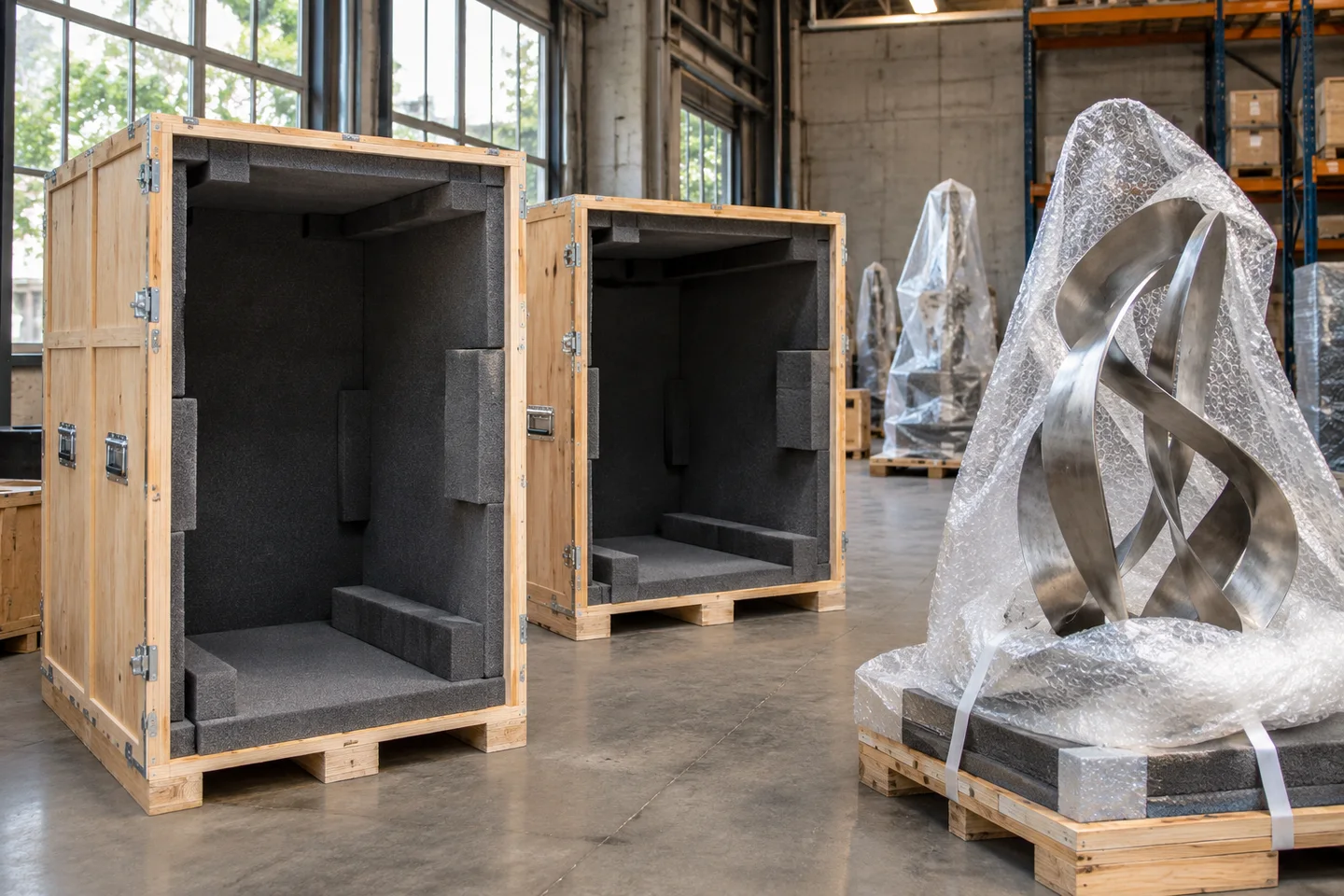
Work through a revised receiving route
Imagine a metal sculpture has been quoted for receipt through a service entrance and assembly in an empty lobby. Before delivery, the operator installs permanent furniture across the proposed staging area. Record the changed plan and ask the installer to review the available alternatives. Have the fabricator confirm whether a different package or assembly configuration would affect the artwork, finish or included work.
Keep the selected alternative and its implications together. The site team might reopen another staging location, or the parties may agree to a revised sequence after appropriate review. Ask for any cost, scope and timing adjustments in writing, identify who approves them and circulate the revised documents. Carry the original quote assumptions into the change record so procurement can see why the scope changed.
Turn the comparison into an order brief
Before placing the order, consolidate the accepted artwork revision, dimensions, finish reference, packaging assumption and destination. Attach the scope table, responsible contacts, review requirements and the current route. Identify the documents still due and the work they affect. NAVA's commissioning checklist assigns attention to design records, installation timeframes, site evaluation and handover documentation. Use the project's responsible reviewers to translate those stages into actual deliverables for this order. NAVA commissioning checklist
Return to the metal sculpture project references when selecting the form and finish to include in the RFQ. Share the same current brief with each proposed supplier. The worksheet below gives the team a common place to record the activity, its evidence and the party responsible for closing it. Request a project-specific proposal and keep the accepted clarifications with the purchase record.
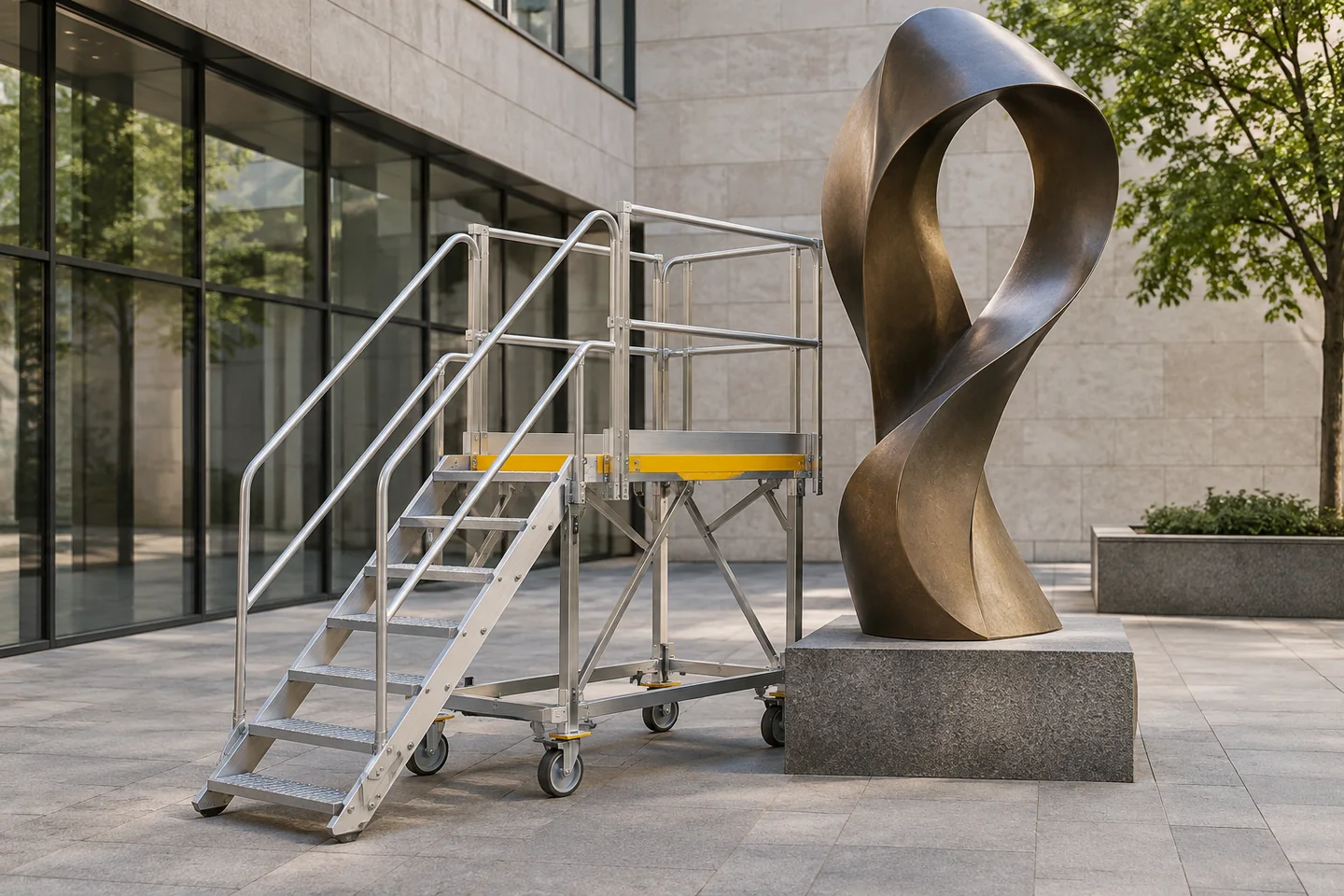
Download the coordination worksheet
Download the editable CSV. Use one row for each interface and record the drawing revision, evidence and responsible reviewer before release.
Browse relevant sculpture references or share the current plans and constraints for a scoped review.
FAQ
What belongs in an installation quotation request?
Provide the current sculpture design, dimensions, quantity, finish direction, destination, route and site information, target date and a responsibility schedule for the activities requested.
Does delivery include installation?
Ask the bidder to identify its delivery endpoint and separately confirm unloading, movement, assembly, final placement and site preparation in the scope schedule.
Who writes and approves the installation method?
Assign preparation and review to the appointed installer and qualified project specialists responsible for the actual work, site and interfaces.
What if the site changes after quoting?
Record the changed condition and revised evidence, ask affected parties to review it and obtain written approval of any scope, price or timing adjustment.