Sculpture Production Progress Report: Evidence to Request
For hotel and commercial procurement teams managing sculpture remotely: a workshop photograph can show activity without answering whether your current design is being made, what has been checked or which decision is needed. Use a short evidence pack to connect the supplier’s update to the approved scope and the next review. This guide provides a practical sculpture production progress report structure and an editable register; it does not assume every supplier offers the same reporting service.

Establish the reference before requesting more photographs
Begin the report with the project, artwork identifier, supplier contact, reporting date and period covered. Link the current drawing or model issue, the relevant surface approval and the agreed scope. If a reference is still under review, say so. A clear photograph of an outdated design is still evidence of the wrong basis; a timestamp alone does not resolve that problem.
Agree the reporting arrangement with the supplier: who prepares the pack, which components it covers, where full-resolution files are stored and who receives decisions. Select the cadence around actual milestones and review needs rather than imposing a universal weekly rule. If your order has several variants, request an item-to-variant list so one successful prototype is not silently presented as progress on the whole order.
Twinkle Metal Sculpture’s quality-control description separates design confirmation, incoming checks, production and final review, and describes photos and video as part of its own communication. That is a useful industry example of different stages, not evidence that Weiya has performed those checks on your order. Ask what evidence and reporting are actually included in your quotation.
Make artwork and component identity visible
Ask for an overall view that establishes the object and orientation, then detail views located on a simple annotated reference. Use stable identifiers for sections, bases and loose components. For a repeat order, identify the actual unit or variant photographed; do not let an attractive image stand for pieces not shown. Keep the original files available instead of retaining only a compressed image embedded in a chat export.
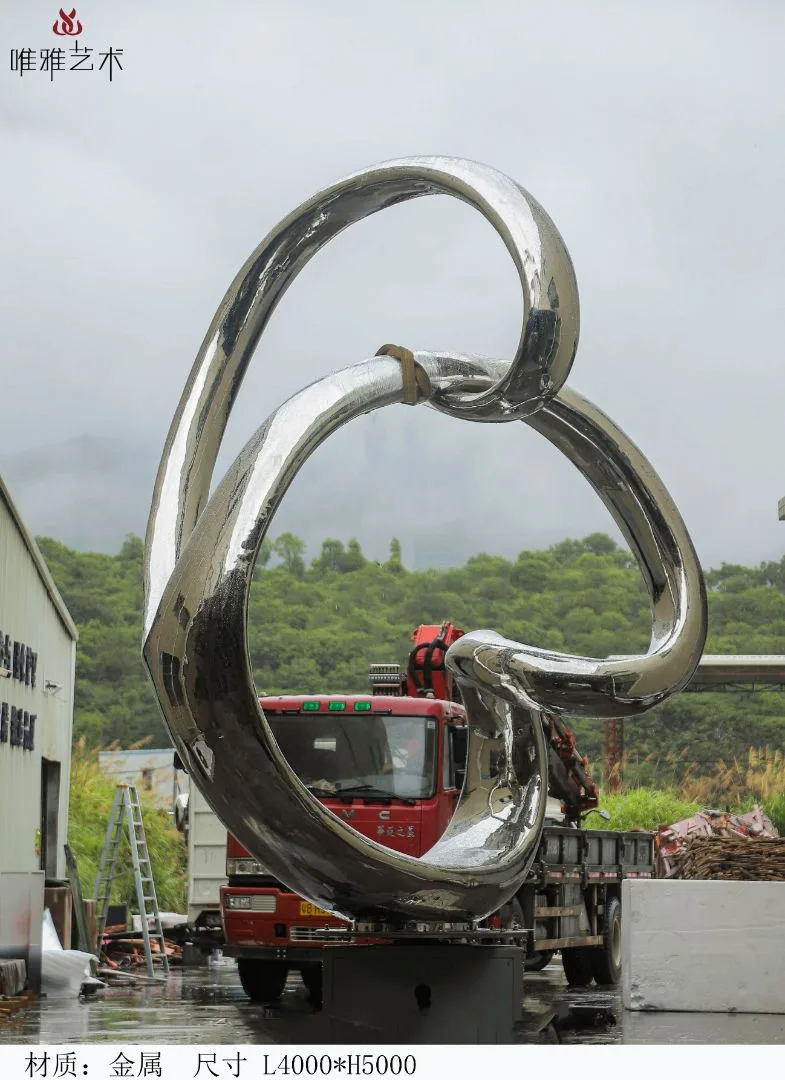
A useful file label connects the artwork, component, view and record date. Add the reference issue in the register if changing the filename would make retrieval awkward. Keep the source of the date clear: a supplier statement and original capture metadata are different types of evidence. When identity or timing is uncertain, request clarification instead of upgrading the photograph to an inspection result.
Record what each image is meant to answer. An overall silhouette may support an artistic review; an underside view may locate a base interface; a detail may document an open surface issue. One image need not answer every question. A continuous video can help connect views, but it cannot make inaccessible details or an unreadable measurement verifiable.
Request evidence at the stage when it can answer the question
Build the update around the real fabrication sequence agreed for the work. Ask the supplier to identify stages that will conceal a feature, commit an expensive finish or make later access difficult. Name the information needed before that transition, the reviewer and the action held pending review. Do not invent a generic manufacturing sequence for all metal, resin or fiberglass pieces.
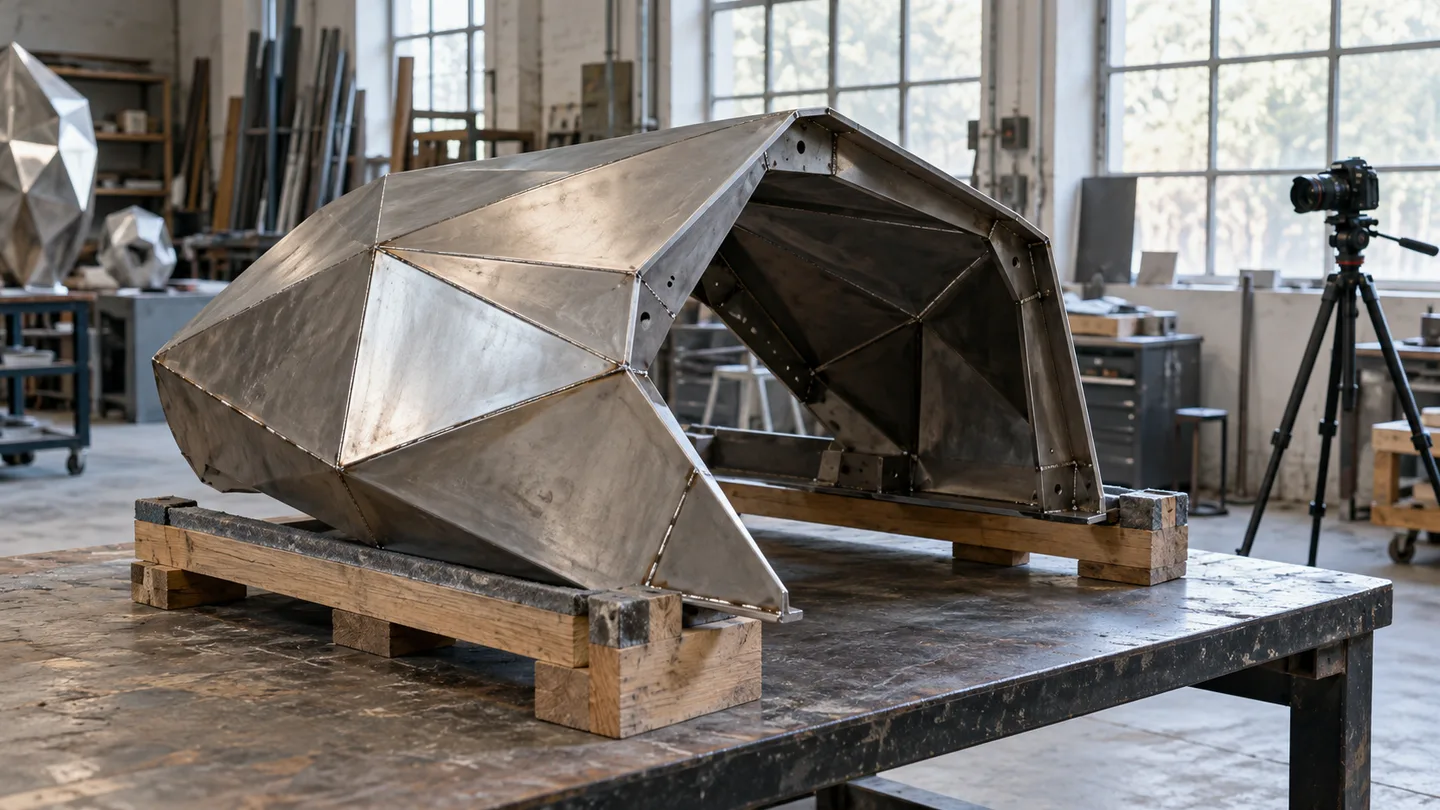
UAP’s February 2026 account of Behold shows models, separately cast components, assembly and surface work as distinct moments in one specific project. The procurement lesson is to request evidence appropriate to the actual stage. A later finished photograph cannot recreate a missing record of something that is no longer accessible.
| Stage or transition | Evidence question | Decision to record |
|---|---|---|
| Form development | Which current model or views control this component? | Who reviews form and what remains open? |
| Work before closure | Which agreed features must be recorded while visible? | Is the relevant review complete or held? |
| Surface preparation and finishing | Which sample and viewing basis apply? | Which areas need clarification or correction? |
| Assembly or trial fit | Which sections and interfaces were actually checked? | What is accepted, unresolved or excluded? |
| Readiness for final inspection | Which records and pieces are available? | Who confirms the inspection scope and access? |
Separate a production claim from a verified observation
Give each claimed milestone its own row. Record the supplier’s statement, the supporting file, the observation made by the reviewer and the remaining limitation. “Surface finishing underway” is different from “the approved appearance has been checked under the agreed conditions.” Keep those meanings separate even if the project team uses a simple colour-coded dashboard.
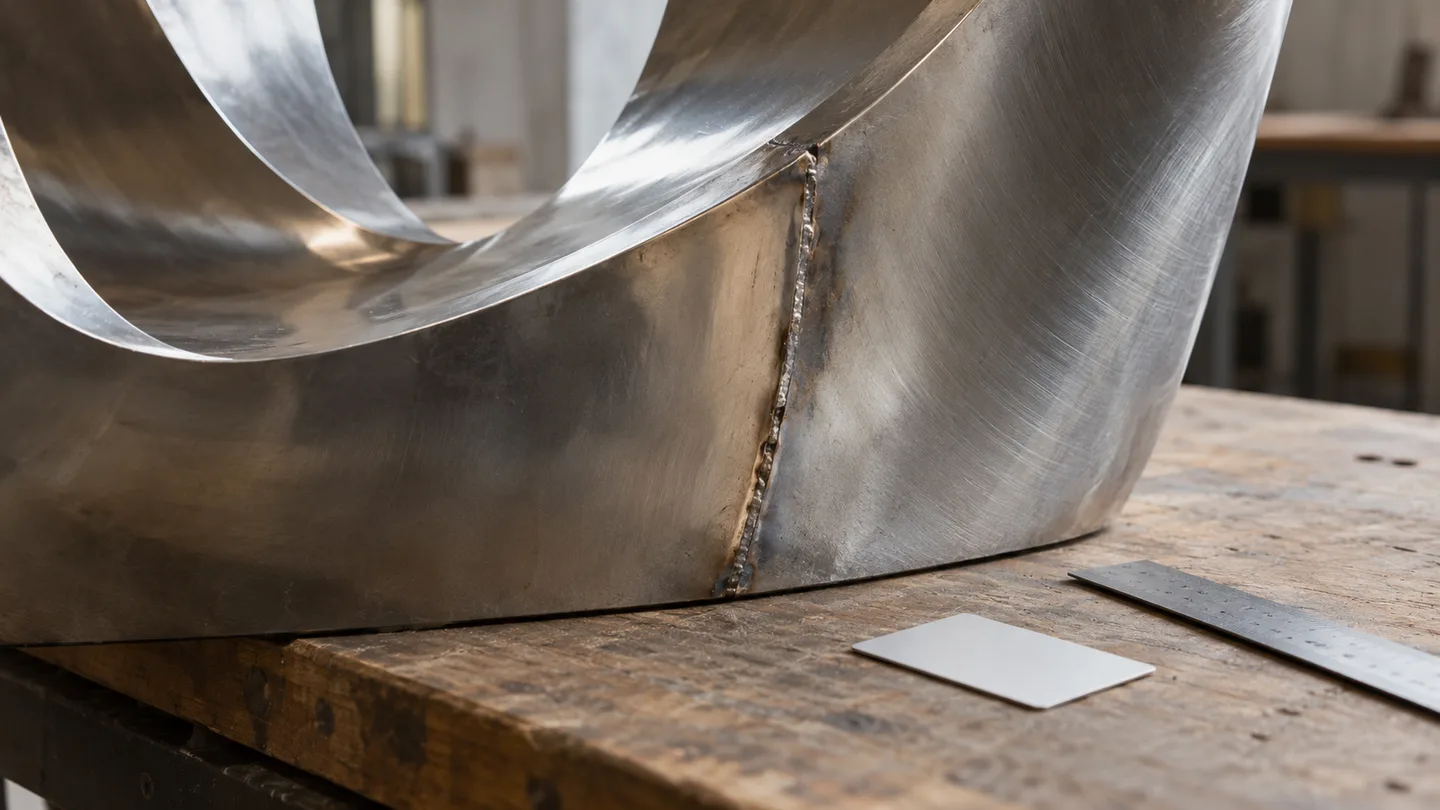
For dimensions, request the reference feature, units, measurement method and reported result against the agreed requirement. Do not derive a reliable dimension from perspective or invent a tolerance because a ruler appears in the picture. Material identity, hidden construction and performance questions may need records or specialist examinations beyond photography. The appointed technical team should define those needs before the stage passes.
Use plain status names such as submitted, clarification requested, reviewed for stated scope, or held pending action. Avoid an unexplained green tick. Boda Sculpture’s quality-control page likewise describes project-specific stages and records. Our register adds an explicit distinction between evidence received, the review performed and permission for the next action; it is an editorial tool rather than a record of either company’s actual inspection.
Carry revisions and open actions into the next update
Maintain one action list across reports. A new issue should not erase an unresolved item from the previous pack. Give each item an owner, required response, affected component, reference and decision status. When a correction is proposed, retain the original issue and link the new evidence used to close it. A supplier message saying “done” should not silently replace the buyer’s review record.
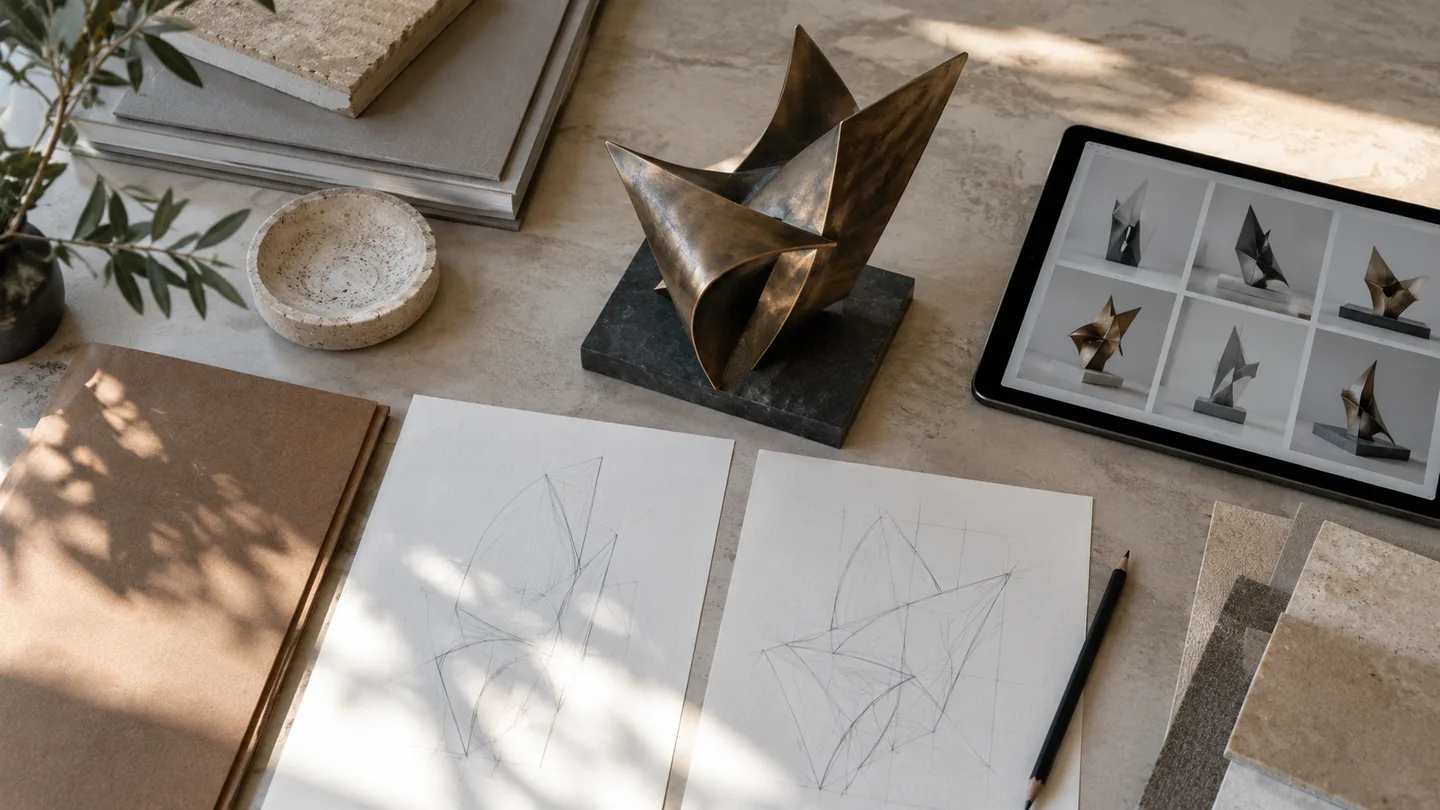
When the designer changes a curve or the buyer changes a surface, identify which existing records remain applicable and which must be revisited. Ask about consequences for already completed work, cost, inspection access and the forecast. Record the change through the agreed commercial and technical process. Do not treat a chat reaction, a visual comment or silence as authorization unless the actual agreement defines it that way.
Keep roles separate where necessary. The designer may review appearance, a qualified specialist may assess a technical item, and procurement may authorize a commercial change. Receiving a report does not give someone all three responsibilities. Escalate unanswered questions to the named decision owner before the affected work proceeds.
Use the report to understand the next dependency
A percentage can be useful only when its basis is explained. Ask whether it refers to tasks, labour, components or another agreed measure, and whether review and corrective work are included. A nearly complete shape may still have unresolved surface, assembly or documentation work. Do not average unrelated stages into a comforting figure that hides the decision preventing progress.

Request the next planned stage, its dependency, who controls that dependency and what has changed since the previous forecast. If an approval is awaited, identify the exact document or sample and the response required. If the supplier revises an estimated readiness date, preserve the earlier forecast and the stated reason rather than overwriting the history. A forecast remains a forecast, not proof of dispatch readiness.
A relevant current-year industry account is ENCY’s June 2026 description of INFINITY, fabricated by BEK Milling Solution from Volkan Alkanoglu’s design. It describes digital preparation, physical fabrication and finishing as separate work. This supports asking which real stage a report concerns; it does not establish a universal production method, independently prove the vendor’s performance claims or imply that Weiya uses the same equipment.
Turn the evidence register into a defined next decision
Illustrative buyer scenario, not a completed Weiya commission: a report says an abstract sculpture is almost ready, but the latest drawing changed a base interface. The buyer records the interface as unresolved, asks which reference was used and requests the relevant evidence and technical review. The team separates that question from the already reviewed visual form instead of treating the entire project as either approved or rejected.
Once the response arrives, record who reviewed it, what was decided and what work may proceed. If evidence remains incomplete, keep the affected action open and identify the consequence for the next milestone. Close the reporting loop by carrying the decision into the following update. This is more useful than collecting a growing folder of photographs without a connection to the order.
Download the sculpture production evidence register (.csv). It provides blank fields for the report issue, artwork and component, reference, claim, evidence, reviewer, limitation, action and next-stage decision. It contains no preset tolerances or certified results. Store actual project records under the access controls agreed by your team.
Use the drawing approval checklist for the original reference and the finish sample approval guide for appearance criteria. The pre-shipment inspection checklist addresses the later final review; a progress pack does not replace it.
Ask for a reporting scope with your sculpture brief
Review forged-metal sculpture references, then send your artwork reference, current drawing issue, required milestones and review responsibilities. Ask which records, review opportunities and reporting services can be included in the actual project scope.
Frequently asked questions
What should a sculpture production progress report contain?
Identify the artwork and component, reporting period, current reference, claimed stage and supporting evidence. Include the reviewer, limitations, open actions and the next decision. Distinguish evidence submitted from checks performed and work authorized; a photograph or percentage alone does not establish all three.
How often should buyers request sculpture fabrication updates?
Agree a reporting cadence around the project’s actual stages and decision needs. Include updates before relevant work becomes inaccessible or a review-dependent stage proceeds. There is no universal frequency that proves quality; confirm what the supplier offers and who responds to each requested decision.
Can progress photographs prove material quality or structural safety?
Photographs can identify visible features and help locate a question, but they do not by themselves prove material grade, hidden construction, strength or compliance. The appointed technical team should define the documents, examinations or specialist checks required for the actual project and retain their results.
What does almost finished mean in a progress update?
It needs an agreed basis. Ask which tasks or components are included, what remains unreviewed and which actions affect readiness. Keep a completion claim separate from a checked result and from authorization to dispatch. Preserve forecast changes and their reasons in the next report.
How should a buyer record a correction?
Keep the original issue, component and controlling reference, then link the proposed correction and new evidence. Record the reviewer’s decision within their authority and any remaining conditions. Carry the item forward until it is explicitly closed rather than removing it when a supplier says the work is done.
Does this register replace a pre-shipment inspection?
No. It organizes evidence during production and the decisions between stages. A final inspection has its own agreed scope, available items, requirements, results and release authority. Link the records, but do not convert a production update into a final acceptance or shipment authorization.
Sources and further reading
Sources read on 25 October 2026. References support the limited observations identified in the text; our worksheets, matrices and illustrative scenarios are original editorial tools. Citations do not imply endorsement, a partnership or a shared client. Apply the actual project requirements rather than another organization’s contract or technical solution.