Sculpture Pre-Shipment Inspection: A Buyer’s Checklist
For project procurement teams and owner representatives: an attractive final photograph is useful, but it is not a complete dispatch decision. This guide helps you prepare a sculpture pre shipment inspection checklist, organize results and decide which questions must be closed before the agreed release. It focuses on the buyer’s evidence and responsibility record, rather than prescribing engineering tests or replacing the inspector’s method.

Agree the inspection scope before the work is packed away
List the artwork, variants, components and documents to be available. Link the current purchase scope, approved drawings or model, surface sample record and agreed inspection criteria. Identify the people authorized to review appearance, technical information and dispatch. Arrange access, timing and any relevant witness points with the supplier; do not assume a final inspection includes every earlier production check.
SGS lists dimensional, visual and documentation checks alongside packing, marking and loading activities within its pre-shipment services. The useful buyer question is which activities your actual appointment includes. A report confined to visible work does not silently cover hidden construction, packing design, customs requirements or installation approval.
Record what is excluded, inaccessible or dependent on a specialist. If the sculpture must be partly packed before a check, agree how the remaining evidence will be obtained and who bears responsibility for reopening or protecting the work. Final inspection and loading supervision may happen at different moments. State what must be available before each decision rather than leaving the scope to be negotiated on the inspection day.
Match the work, loose items and documents
Start with identity and completeness. Confirm which actual artwork or unit is present, which variant it represents and which listed components belong with it. Tie overall photographs and detail records to stable identifiers. A three-piece display needs an explicit inventory; one overall photograph may conceal a missing accessory, swapped variant or separately packed item.
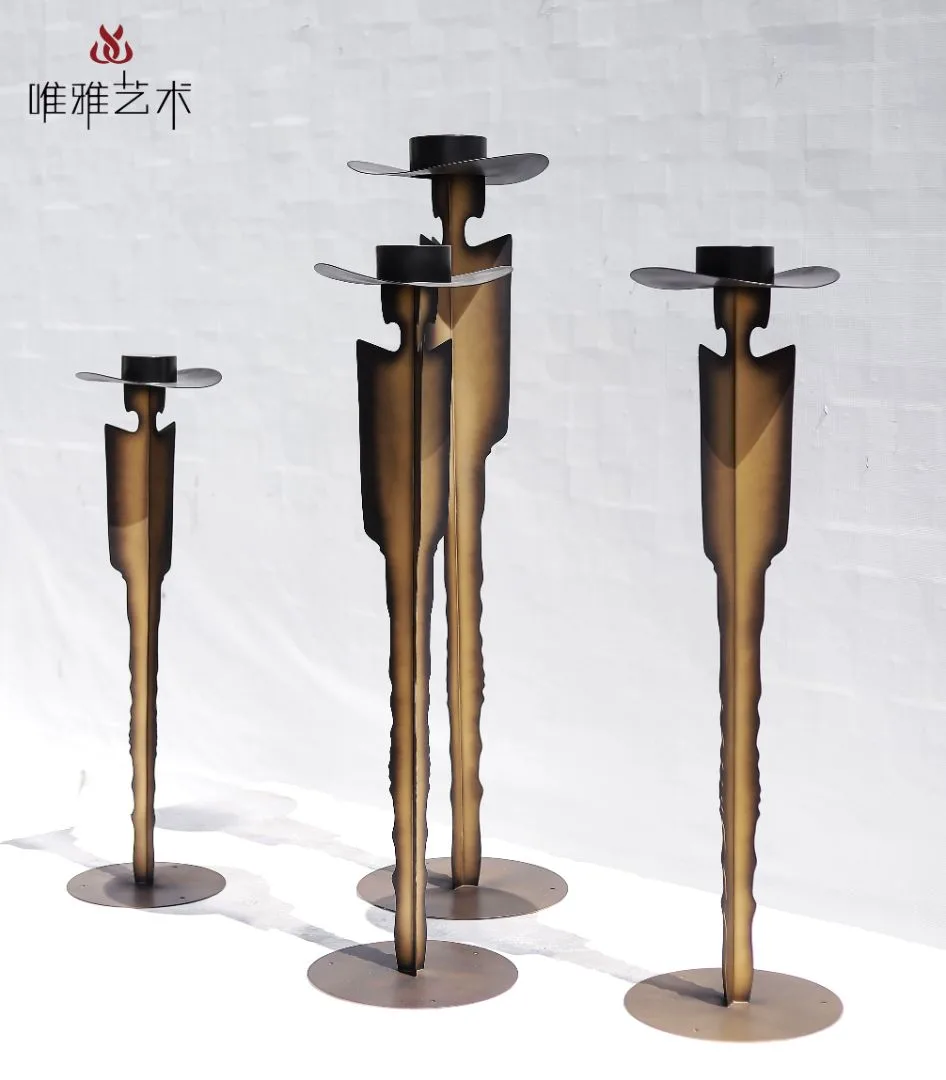
Compare the available pieces with the agreed scope and document list. Distinguish supplied hardware, separate decorative parts, instructions, any agreed spare items and exclusions. Ask the responsible technical team to define interface-critical items; do not decide a substitute is equivalent from a similar-looking photograph. Record missing items and who will resolve them rather than adding an unexplained “complete” tick.
For repeated units, confirm the inspection coverage and identification method. TÜV SÜD describes sampling or an otherwise agreed customer scope in its general pre-shipment service. Do not import a generic AQL table or random-sampling assumption into a one-off artwork. Agree with the appointed inspector what will be examined and how that scope relates to each unit, component and risk.
Record dimensional results against the controlling reference
Use the agreed drawing or model to identify the dimensions and interfaces that matter to this order. Ask the appointed inspector or technical team to define the measurement method, units, reference points and acceptance criteria. A photograph should locate the feature and support the result, not replace a readable record. Keep the drawing issue beside the reported observation so the comparison is reproducible.

Do not supply a universal millimetre tolerance for custom sculpture. Overall artistic dimensions and an installation interface may require different project-defined treatment. A discrepancy should be referred to the person with authority to assess its consequence; the buyer should not improvise a technical concession because shipping is booked. Keep the observed result and the decision separate.
For sectional work, ask which trial-fit or assembly checks were agreed and actually performed. Record orientation, section identifiers and the relevant interfaces with the supporting evidence. If a feature cannot be examined without additional access, report that limitation. Do not convert “not checked” into “not applicable” merely to finish the form.
Review appearance using the agreed sample and conditions
Bring the retained appearance reference into the final inspection scope. Identify which surfaces are visible in the intended setting and which agreed viewing conditions govern the review. Request an overall view and located detail of any concern. Lighting, viewpoint and processing can change a photograph’s appearance, so a compressed screen image should not silently replace a required physical or controlled visual comparison.

Boda’s quality-control description treats geometry, surface and assembly as distinct project-specific review questions. UAP’s February 2026 Behold account also documents assembly and later surface review in its own work. These examples help explain why a form can be assembled while appearance decisions remain open; neither supplies the acceptance criteria for your order.
Describe a concern by location and observation before classifying it. Compare it with the agreed reference, then ask the authorized reviewer whether correction, clarification or another decision is needed. Record any proposed repair and how it will be checked afterwards. A touched-up photograph is not automatically proof that all affected requirements remain satisfied.
Keep visible inspection separate from technical evidence
A buyer can organize the documents without certifying the object. List the material, construction, interface, functional or other technical records actually required by the project and identify who reviews each. Tie them to the relevant work and issue. A generic certificate in a folder, or a report for another item, should not be treated as evidence for this sculpture.

If earlier work is now hidden, refer to the retained production evidence and the agreed specialist records. Ask what those records establish and what remains unknown. Do not imply that photographs of a closed sculpture prove internal construction or that a final visual inspection replaces a required examination. Any missing evidence should have an owner and a recorded consequence for release.
For illuminated, suspended or publicly used works, the actual project may require additional specialist review. This checklist supplies no universal testing method or certification route. The responsible professionals and applicable project requirements determine those needs. Keep your commercial acceptance record aligned with their actual scope and findings.
Link the inspected work to the actual dispatch items
Record the state of the work when inspected: assembled, sectional, unpacked, partly packed or another agreed condition. Identify what changes after inspection and which later checks remain. Keep artwork and component identifiers linked to the packing list and package marks. Confirm that separate parts and the agreed documents have a traceable destination in the shipment.
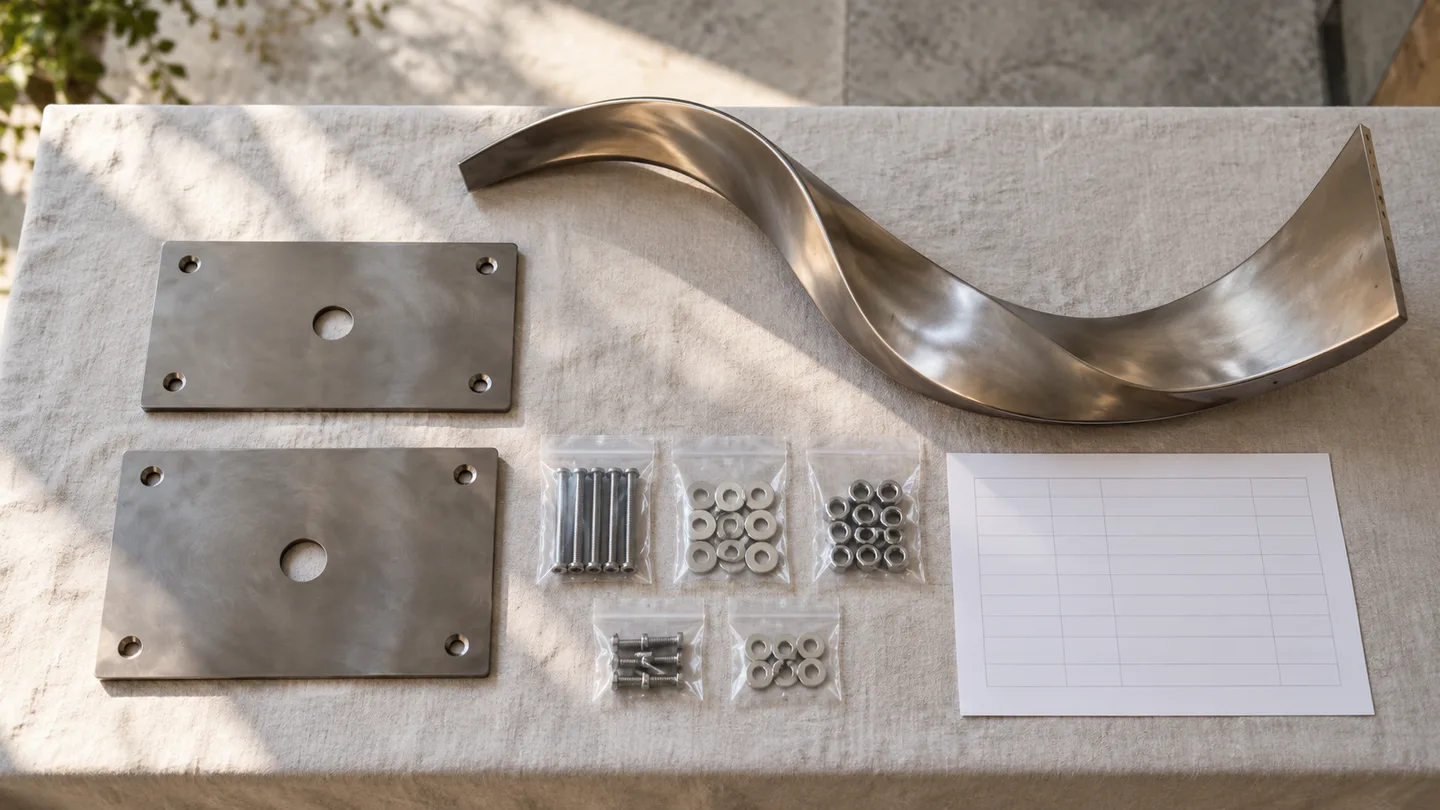
This is an identity and evidence task, not a crate engineering guide. Ask the appointed packing and handling parties to confirm the actual protection and movement arrangement. If packing conceals an item not yet inspected, state how that question will be resolved. Preserve records of the packed configuration where included in the agreed scope, without assuming that a package photograph proves protection or transport fitness.
| Record | What it should identify | What it does not automatically establish |
|---|---|---|
| Final inspection | Items, references, observations, scope and open actions | Every hidden feature or later loading operation |
| Packing record | Actual items, package marks and agreed evidence | Engineering adequacy from appearance alone |
| Loading record | Identified shipment and observed operation within scope | Final installation or future condition |
| Dispatch authorization | Named authority, basis, date and conditions | A substitute for technical review or contract terms |
TÜV SÜD describes loading supervision separately from its final inspection service. Use that distinction to ask who checks the actual shipment after the artwork review. Keep transport and receiving responsibilities consistent with the order, and use the hotel delivery access survey when the receiving route still needs coordination.
Close findings with evidence and an authorized decision
Give every finding an identifier, location, reference, observation, responsible person and next action. Record whether it affects the agreed release decision and who has authority to decide. A corrective action is not closed merely because a new photograph was received; retain the reviewer’s response, any repeat examination and the remaining limitations.
Use clear dispositions that match the contract: ready for the defined next action, held pending specified work, or another expressly agreed decision. If a condition remains, state its owner, evidence and effect on dispatch. Do not use a vague “approved with comments” label when the team cannot tell whether loading may proceed. The person recording a result and the person authorizing release may be different people.
Illustrative scenario, not a completed Weiya order: the visible form matches the approved reference, but a separately supplied base component is missing from the inventory. The buyer records the form review separately, keeps completeness open and asks for the missing component and its verification. The authorized party then records the actual dispatch decision; a successful appearance check does not erase the missing item.
Download the sculpture pre-shipment inspection checklist (.csv). The editable rows cover identity, references, dimensions, appearance, technical records, components, packing links, corrective actions and release. Fill in the actual requirement, method, observation, evidence, reviewer and decision. Blank fields and checklist headings are not inspection results.
Link earlier evidence through the production progress evidence register, and use the finish sample review guide when an appearance reference is unclear. The sculpture shipping overview covers broader logistics questions.
Define the inspection record before confirming dispatch
Browse metal-alloy sculpture references, then send your artwork reference, approved issue, intended destination and required inspection scope. Ask who provides each record, what access is available and which party authorizes the next step.
Frequently asked questions
What belongs in a sculpture pre shipment inspection checklist?
Include the identified work, current references, agreed inspection scope, relevant dimensions, appearance, components, required technical records and packing links. Record observations, evidence, inaccessible items, corrective actions and the named release authority. The actual project defines the requirements and methods; a blank checklist supplies no acceptance thresholds.
Does an attractive final photograph mean the sculpture is ready to ship?
No. It may support an appearance review, but it does not establish completeness, agreed dimensions, hidden construction, required records or dispatch authorization. Connect the image to identified work and the actual scope, then record the outstanding decisions and the person authorized to resolve them.
Should a one-off sculpture use a standard AQL sampling table?
Do not assume that it should. General inspection services may use sampling or an otherwise agreed scope, but the appointed inspector and project team must define coverage for the actual artwork and components. Avoid importing generic defect limits or sample sizes without an applicable agreement.
Who sets dimensional tolerances and appearance acceptance criteria?
The controlling project requirements and authorized design or technical reviewers establish them. Record the agreed reference, units, method and observed result. This guide provides no universal tolerance or surface standard, and a procurement coordinator should not invent a technical concession to preserve a shipping date.
How should inspection findings be closed?
Keep the original finding, location and requirement, then link the correction and new evidence. Record the authorized reviewer’s decision, any reinspection and remaining conditions. Preserve the history so a later reader can distinguish an action completed by the supplier from a result reviewed and accepted within a stated scope.
Is final inspection the same as loading supervision or installation approval?
No. They concern different stages and may have different scopes and responsible parties. Link final inspection to the actual packing and dispatch records, and separately confirm any agreed loading or site review. Do not treat one report as proof of an operation it did not cover.
Sources and further reading
Sources read on 25 October 2026. References support the limited observations identified in the text; our worksheets, matrices and illustrative scenarios are original editorial tools. Citations do not imply endorsement, a partnership or a shared client. Apply the actual project requirements rather than another organization’s contract or technical solution.