Multi-Site Brand Sculpture Orders: Master Approval, Variants and Site Briefs
Use this guide to connect a common brand master with controlled variants, destination briefs and separate local release decisions.
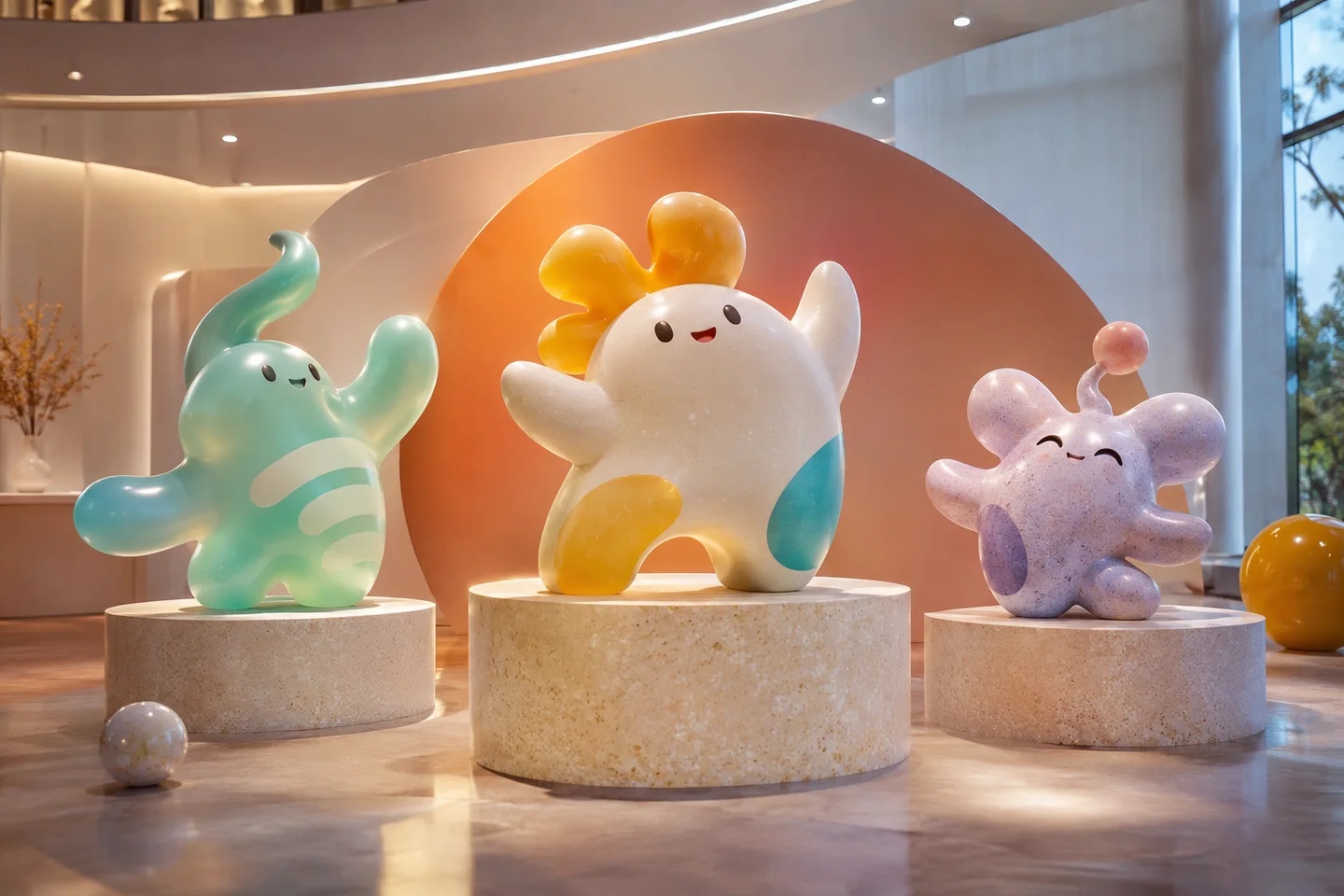
Define what repeats and what each site must decide
A brand team may want a recognizable sculpture across several retail or hospitality locations, but the rooms, entrances and operating conditions can differ. Start by separating the features intended to remain consistent from decisions that depend on each site. A common silhouette or facial expression may be central to recognition, while a base footprint, delivery route or display orientation needs a local answer.
Use the original character and brand sculpture inquiry page to discuss an authorized design direction. Provide references you are entitled to use and identify the person or organization controlling approval. A catalogue example is not a grant of rights to an unrelated character, and its existence does not establish that every material, finish or size variant is available for a new rollout.
This guide supports brand project managers, designers and procurement teams planning several related orders. It focuses on the connection between master approval, variants and site releases, rather than repeating a general design-freeze checklist. The practical output is a rollout register linking the approved reference to every destination and outstanding decision, so a shared brand direction does not conceal differences that affect the actual purchasing scope.
Establish the authorized reference and approval route
Identify the reference files, version and permitted project use before requesting adaptation. Include relevant views, color direction and instructions from the rights-controlling party where applicable. Record who may approve shape changes, finish changes and use at an additional location. Do not treat possession of a downloaded image as evidence that a commissioning party has all the permissions needed for manufacture or display.
Recent industry context reinforces the relevance of this distinction. Licensing International's IAAPA Expo 2026 information describes a November event program connecting brands with location-based entertainment participants. That is evidence of an industry discussion, not a statement that a specific character is licensed to Weiya, that Weiya attended or that a particular project is authorized. Confirm the actual permissions through the responsible parties and advisers.
Keep authorization questions separate from appearance review. A designer may know which expression looks correct without controlling the permitted use of the character. If the authorization scope is unclear, identify the owner of that question before allocating work. This guide does not interpret a licensing agreement or promise a right to reproduce protected material; it asks procurement to retain the relevant authorized references and approval contacts.
Define the master and its approval limits
Give the master a stable identifier and revision. Record which form, views, proportions, character details, finish reference and orientation were reviewed. Specify whether the approval concerns a digital model, a physical maquette, a surface sample or a particular full-size version. These references answer different questions and should not be collapsed into one ambiguous note that the design is approved.
The design-freeze guide explains the individual approval record. For a rollout, add a statement of applicability: which variants and destinations the decision covers, and which still need review. Preserve any limitations. A master that establishes facial details does not automatically resolve a different finish or a local base arrangement that was not represented in the review.
| Record | Repeated information | Decision that remains separate |
|---|---|---|
| Master reference | Approved identity, form and governing details | Applicability to each proposed variant |
| Variant record | Defined difference from the master | Evidence required to approve that difference |
| Site brief | Destination-specific conditions and interfaces | Local readiness and release decisions |
| Dispatch allocation | Which approved item goes where | Receiving record and unresolved handover tasks |
The comparison diagram separates a master-only package from a master-plus-site release package. Neither the master nor the diagram certifies installation suitability; it makes the information boundaries visible to the buyer.
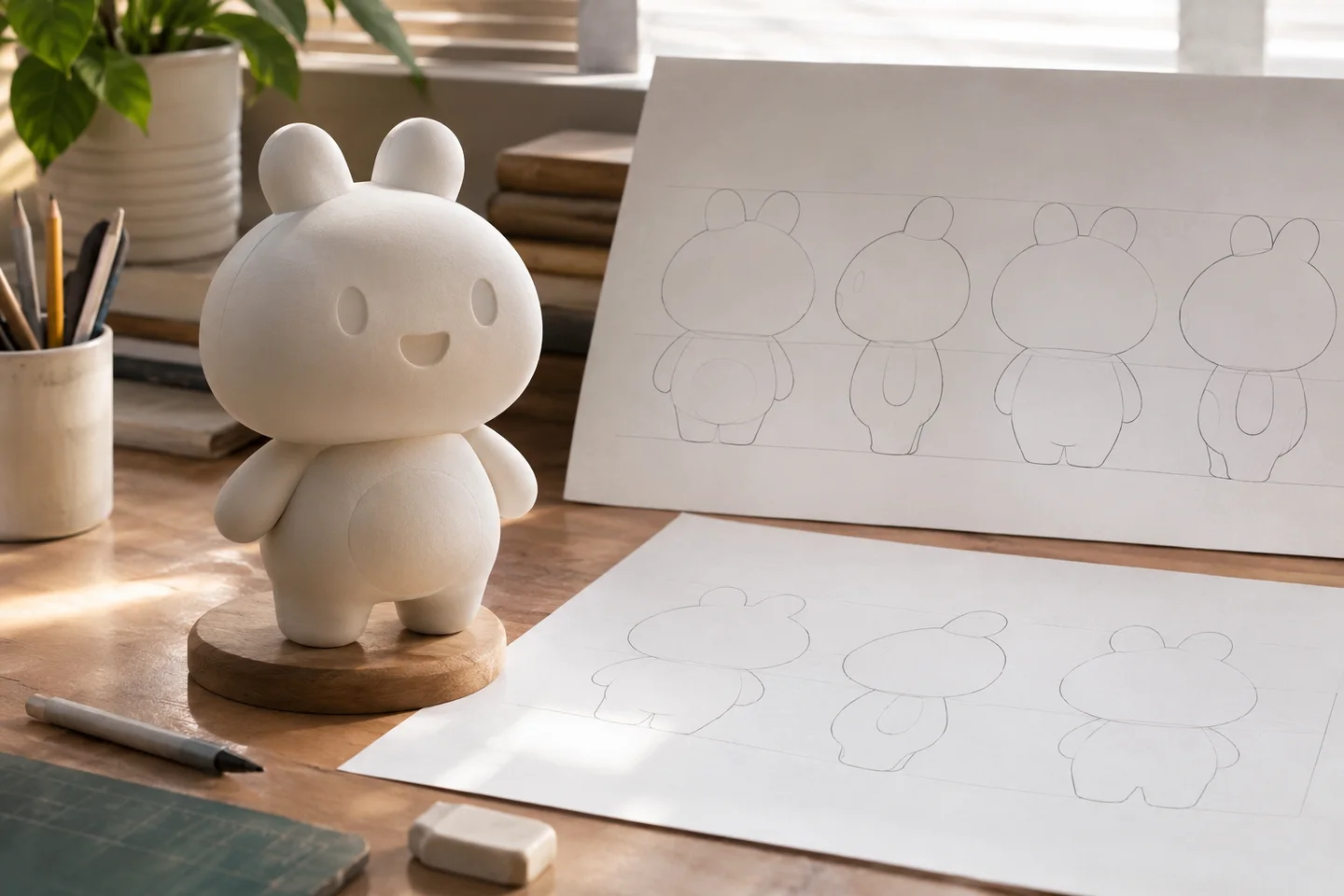
Record variants without assuming simple scaling
List every requested size, pose, finish direction or accessory configuration as a variant with its own identifier. Explain the intended difference from the master and the quantity requested. Do not assume that changing scale leaves appearance, construction and support interfaces unchanged. Ask the proposed provider and appointed reviewers which additional evidence is needed for the actual version.
Avoid mixing a requested variant with an accepted one. Use explicit states such as requested, under review, approved with limitations or not released. Keep the sample or drawing revision beside the state. If a finish is accepted on a small maquette, ask whether a representative full-form or other review is still needed for the proposed production version rather than silently extending the signature.
Use a variant matrix to identify consequences without inventing them. A larger version may raise a question about access or base coordination; it does not allow this article to prescribe a structure or a universal material thickness. A different surface direction may require another sample decision; it does not justify assuming a particular coating system. Record the question, proposed response and reviewer before assigning the variant to a destination.

Build a separate brief for each destination
Give every site a stable code and an actual receiving location. Record the intended display area, use conditions, visitor contact, available footprint and known access restrictions. Include current plans or photographs where appropriate, and mark information that remains provisional. Two stores with the same brand name should not be treated as identical locations merely because their concept imagery looks similar.
Identify the local parties responsible for confirming measurements, support interfaces and readiness. Ask what conditions must be satisfied before delivery and placement can proceed. The sculpture provider may require that information to describe its own scope, but the project must appoint the appropriate reviewers for site-specific technical questions. Do not turn a destination list into an assumed approval of every floor, wall or fixing arrangement.
Connect each site brief to the brand sculpture project entry page when requesting a consolidated inquiry. Provide a common master package plus the site differences instead of sending several contradictory copies of the same model. The supplier can then identify which questions are shared and which need a separate response, without promising that a common design automatically produces identical prices, timing or installation methods across locations.
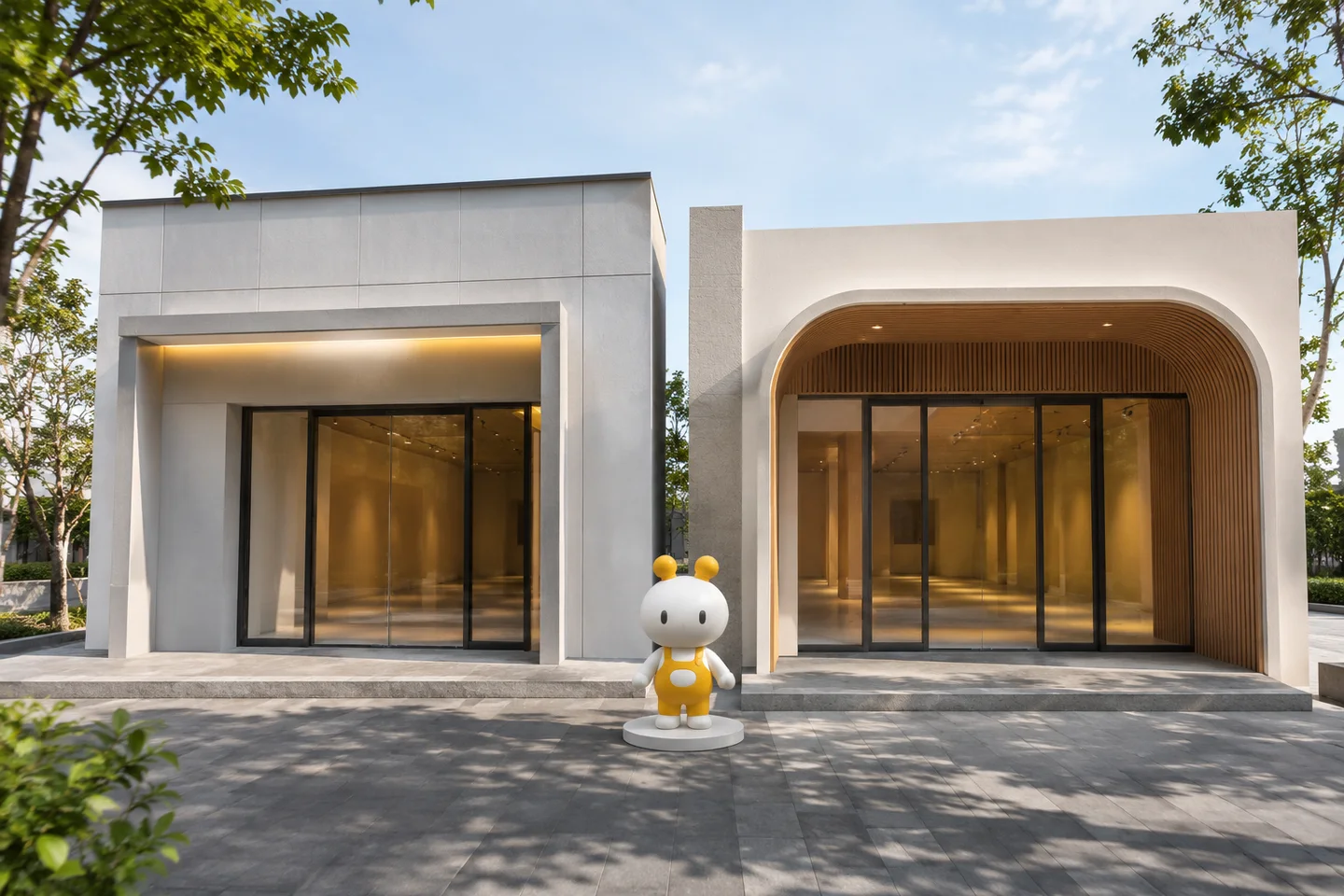
Agree sample review across the rollout
Define which sample or model controls common appearance and who retains it. Record viewing conditions and accepted variation where relevant. If different site teams will review delivered artwork, give them the same identified reference and explain its scope. A compressed chat image viewed under different lighting is a weak basis for deciding whether separate deliveries match the intended appearance.
Choose when a first-item or representative review is required through the actual proposal. State what it would cover and which variants it represents. Do not assume that a first article is included, that it proves every concealed detail or that all later items can be released without the agreed checks. Sampling, inspection and any additional review service should be explicitly scoped.
The Design Council's design-process explanation includes testing and refining responses before delivery. The procurement inference here is to define useful review gates before repeating an unresolved decision across many sites. Our rollout sequence and register are original buyer tools; they are not a certification program or evidence of a guaranteed defect-free production result.
Separate central and local release responsibilities
A central brand reviewer can control common visual identity while a local project representative confirms site information. Procurement may consolidate quantities and order references. The proposed fabricator can confirm the offered configuration and its scope. Record these decisions separately so that a central appearance approval does not accidentally become a local readiness statement.
| Release question | Owner to identify | Evidence to connect |
|---|---|---|
| Is the reference authorized and current? | Brand or rights-controlling representative | Authorized files and governing revision |
| Is the variant accepted? | Assigned design reviewers | Variant-specific decision and limitations |
| Is this site information confirmed? | Local owner and appointed specialists | Site brief and unresolved interfaces |
| Is the item allocated correctly? | Procurement or logistics coordinator | Site, variant and quantity record |
| Is the destination ready? | Appointed receiving/site parties | Confirmed readiness and agreed delivery endpoint |
These roles must be agreed for the actual project; they do not assert that Weiya performs each function. The flow diagram links the information stages. Hold a release where the required evidence is missing, or record the specifically authorized condition rather than treating silence as approval.
Control changes and destination allocation
When a master changes, identify the reason, revision and affected variants. Review which site packages, samples or items need another decision. Do not replace a master file without preserving the previous version and explaining its applicability. A late character-detail change can otherwise leave different teams reviewing different references while all believe they are working from the current approval.
Keep item allocation separate from a generic quantity total. Record the destination, variant, quantity, packing identifier and receiving contact in the agreed operational records. Do not add private contact details to a public tool or distribute a complete project address list more widely than needed. A supplier-facing extract and an internal coordination copy can serve different audiences while retaining the same controlled identifiers.
For repeat or replacement requests, identify which prior reference and authorization still apply. The repeat-order mold and change guide covers a related set of questions, but this rollout register should not imply mold ownership, storage, exclusivity or replacement availability that has not been agreed. Ask for the relevant records and proposed scope rather than treating a prior purchase as a blanket future commitment.
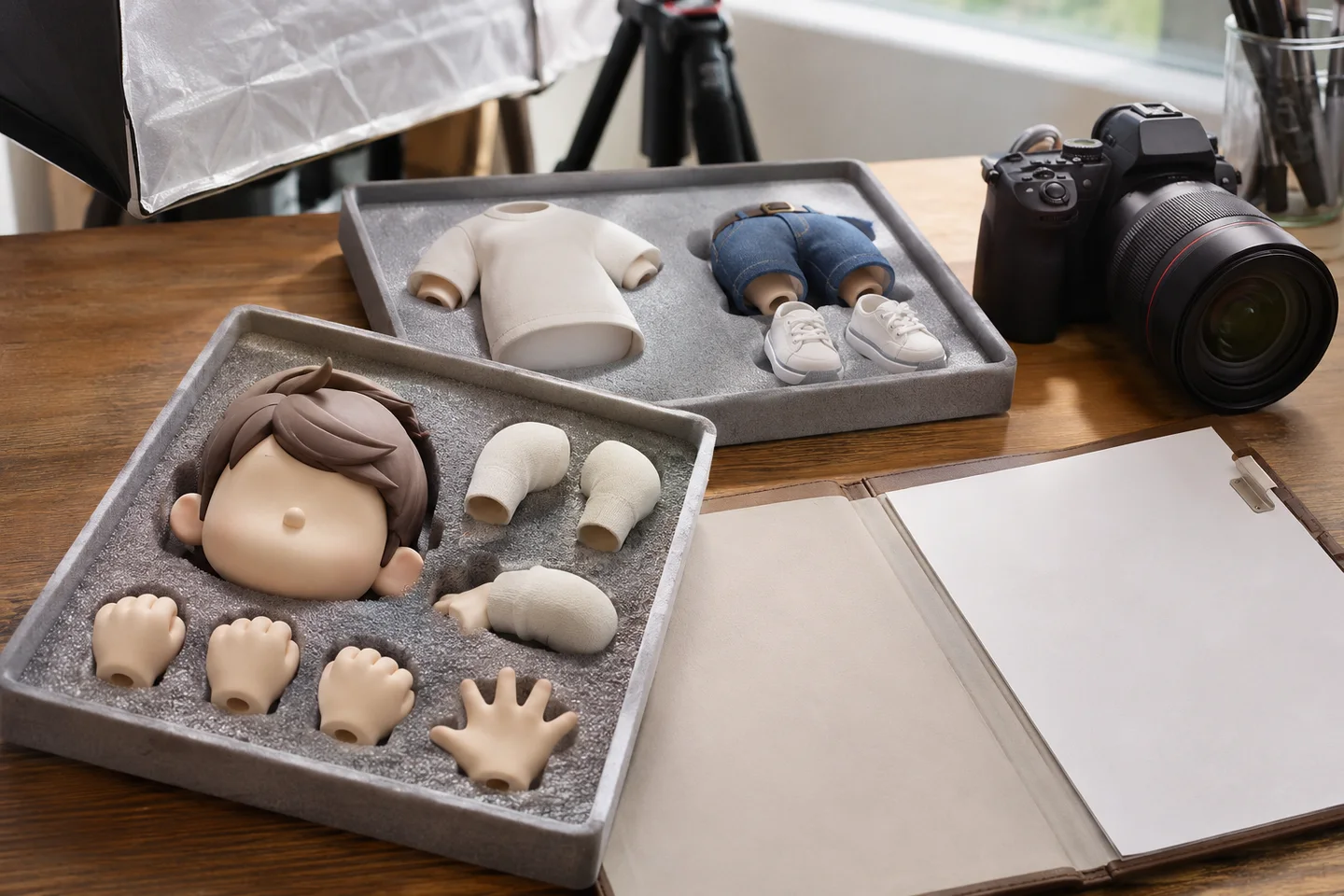
Use the rollout register to request a comparable proposal
The downloadable worksheet is an original editable buyer aid. Use one row per site-and-variant allocation. Record master revision, variant reference, requested quantity, site-brief revision, appearance decision, local readiness state, open question and release owner. Leave unknown fields explicit and preserve a change note when a previously accepted entry is revised.
Before issuing the inquiry, check that every row points to an identifiable reference and an intended destination. Distinguish a confirmed location from a concept-only future site. Ask bidders to separate shared development work, variant work and destination-dependent tasks in their proposed scope. Do not assume every service, sample, inspection, shipment or installation is included in one unit price or that one completion date applies to all sites.
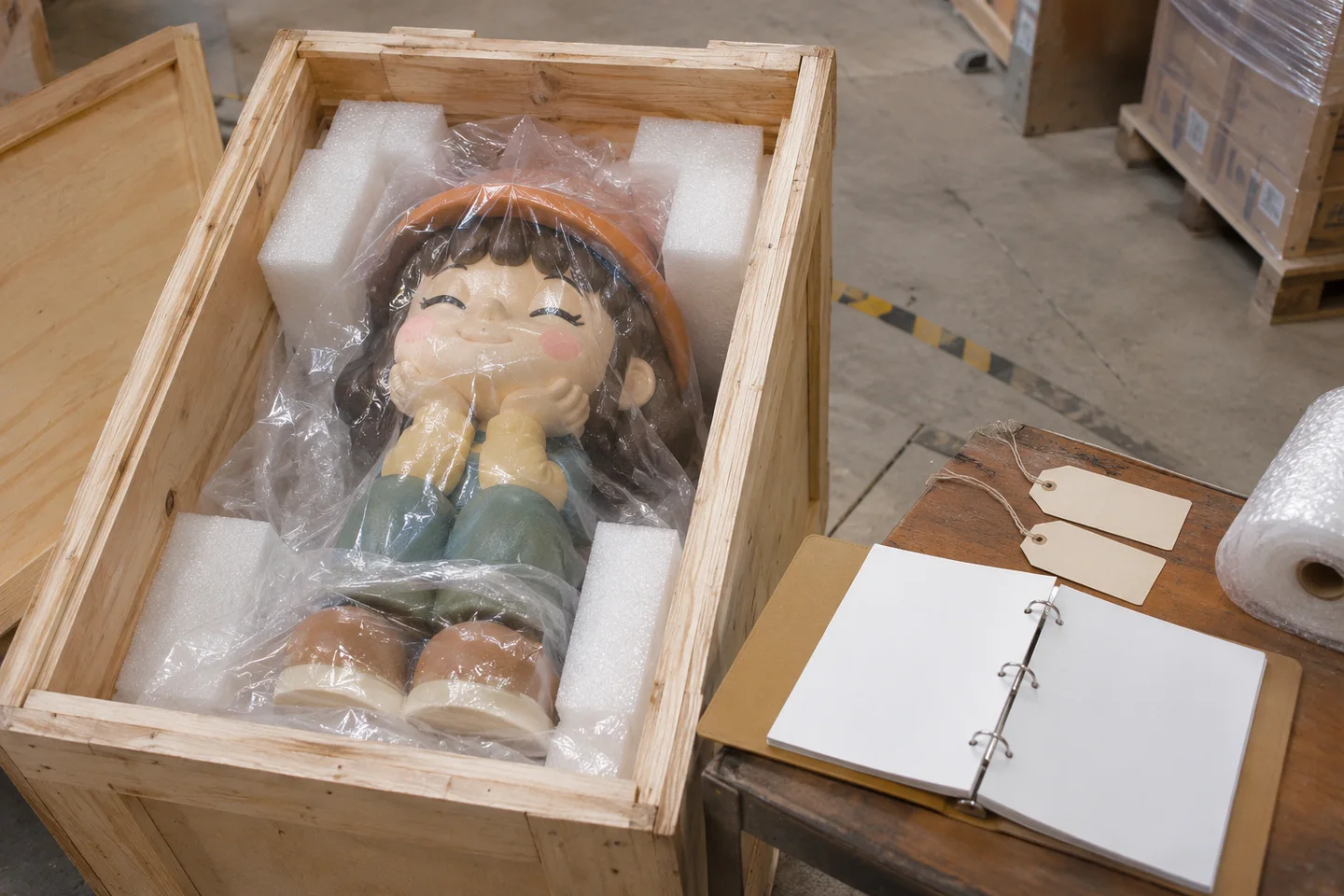
Send authorized brand files, the current master reference, quantities by variant, destination briefs and unresolved interfaces through the project inquiry below. Explain which decision you need next and which information is provisional. After acceptance, connect the agreed care and spare information to each site record. The goal is a traceable rollout that respects common identity and local differences, with actual commitments confirmed in the proposal rather than inferred from an illustrative showroom photograph.
Download the site-and-variant rollout register
Download the editable CSV worksheet. Use one row per site and variant. Record approval applicability, local information gaps and release ownership without treating requested quantities as released orders.
Explore authorized brand sculpture projects and send the artwork reference and project requirements for a scoped inquiry.
FAQ
Does master approval release every size and destination?
No. Record which variants and sites the decision covers. Changed geometry, finish or local interfaces may need additional review by the appropriate parties.
Does a catalogue character grant permission for another brand's design?
No. Provide references you are authorized to use and identify the party controlling permission and approval. Resolve unclear authorization through the responsible parties and advisers.
Should each destination have its own brief?
Yes. Identify actual location, use conditions, access, interfaces and readiness information, even where the visual design is intended to repeat.
Is a representative first-item review automatically included?
No. Agree its scope, applicable variants, evidence and release effect in the actual proposal instead of assuming a sampling service or production guarantee.
What belongs in the first rollout inquiry?
Send authorized files, the current master, requested variants and quantities, destination briefs, approval contacts by role and unresolved questions. Mark provisional information clearly and retain appropriate confidentiality.