Custom Bronze and Metal Sculpture Orders: Evidence from Brief to Handover
During handover, a buyer may receive a tidy archive and still be unable to tell which sample controlled the finish or whether the shipped piece followed the released drawing. This guide shows how to build that link into the request for quotation and keep it visible through receiving and facilities acceptance.

Set the audit boundary when issuing the enquiry
This guide is for buyers, designers and commissioning advisers ordering custom bronze or metal sculpture, especially where the artist, maker, transport provider and receiving team work in different places. Identify each item or edition in scope, the destination, the authority to use and adapt the artwork, and which supplier services are included. State the finish direction, setting, quantities and intended uses. Note early assumptions about the base, delivery point and installer so bidders can show which conditions must still be confirmed.
Start with requirements a reviewer can actually verify. For appearance, identify the design features and viewing angles that need sign-off. For the building interface, describe the information the appointed local reviewer needs from the maker. For receiving, say which party must check the package and when. Include documentation deliverables in the request for quotation, with a practical format, issue milestone, recipient and person authorized to accept them. Ask bidders to identify each record they can provide and what must come from somebody else.
A document index answers which files exist. An audit also answers whether a file supports a decision about this specific item and revision. For example, a dated image of a sample can identify an appearance reference if it is linked to the sample identifier and the approval. A photograph of an unlabelled metal coupon leaves a buyer unable to tell which piece, finish or stage it describes. Record the provenance of sensitive files and agree who may access or retain them.
Trace authorized design through revision changes
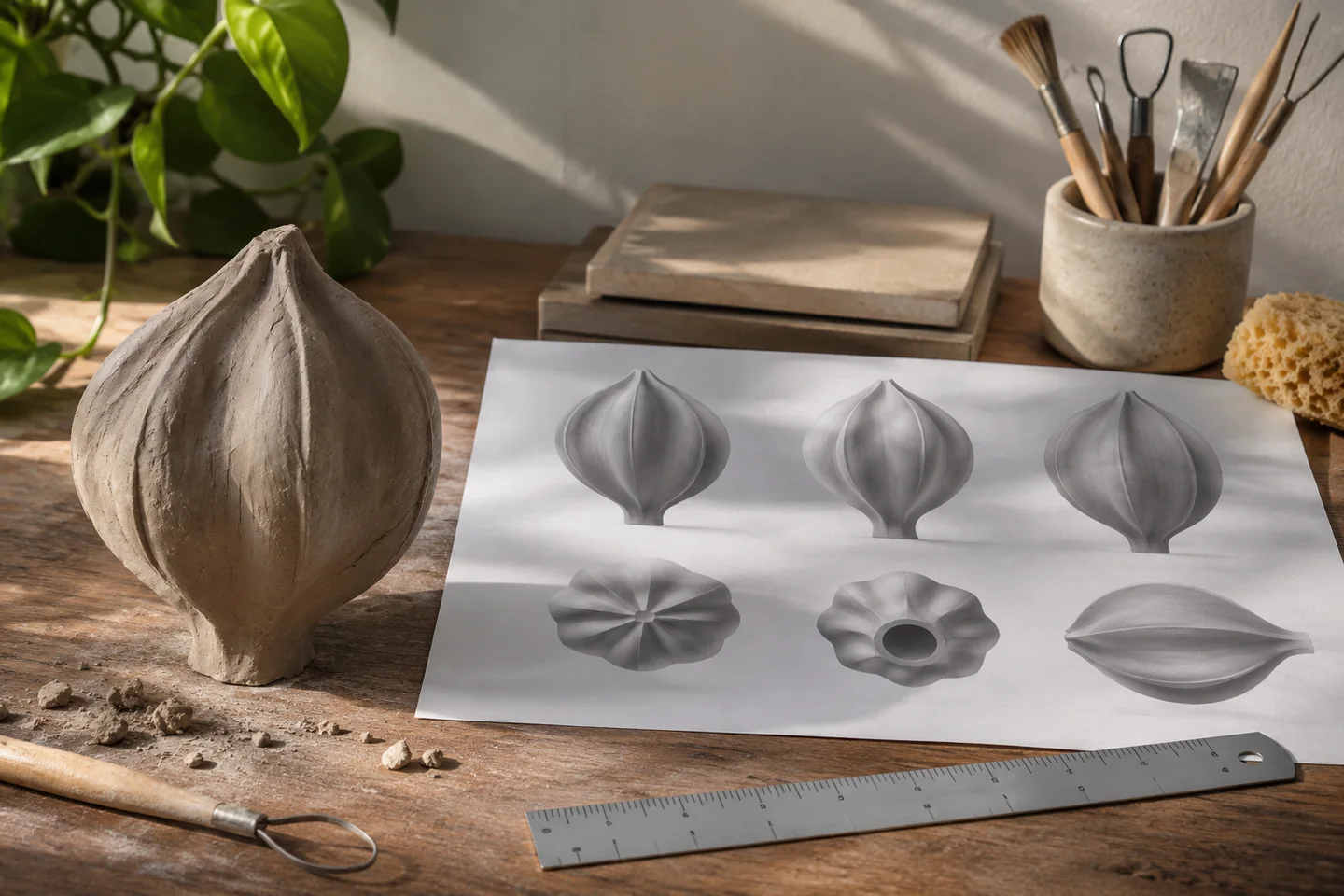
Record the creator or rights contact, who can issue the source files, the scope of permitted uses and who must approve transformations such as enlargement, cropping the composition or altering a surface. Where permission terms are unclear, ask the contracting parties to resolve them before release. Build a design baseline with the authorized views or model, units, target dimensions, orientation and details that the reviewer wishes to preserve. Identify the drawing and model revisions even when the project shared platform already displays their upload dates.
Pangolin Editions' Spirit of the Seas account documents scanning and making an enlarged working form, refinement by Stephen Hitchin and approval by the artist and gallery before casting. That example suggests a question for any similar request: who accepts the translated or enlarged form, and which version will be released to production? Your project may use a different fabrication sequence. Ask the supplier which changes will be difficult to reverse once its process moves forward.
When a reviewer sends annotated images, record which comments are decisions and who accepted them. If a new drawing also changes the underside or another feature beyond the requested alteration, trace the effects to any relevant dimensions, finish decisions, support drawings and packing assumptions. Request the authorized release reference from the party who controls that stage and retire the earlier revision from the working folder. Preserve the older record where it explains a decision, keeping its superseded status visible.
Specify material and finish evidence separately
Review custom bronze and metal-alloy sculpture references to discuss form and finish direction with the supplier. Ask whether the proposal is for a cast form, a fabricated form or an assembly that includes independently specified parts. Ask for the material designation used in the offer and any explicitly agreed verification records by component. Where the buyer needs a particular report, have the supplier identify the issuer, the expected reference and what will link the report to the parts or production batch. Send unresolved technical requirements to the person appointed to decide them.
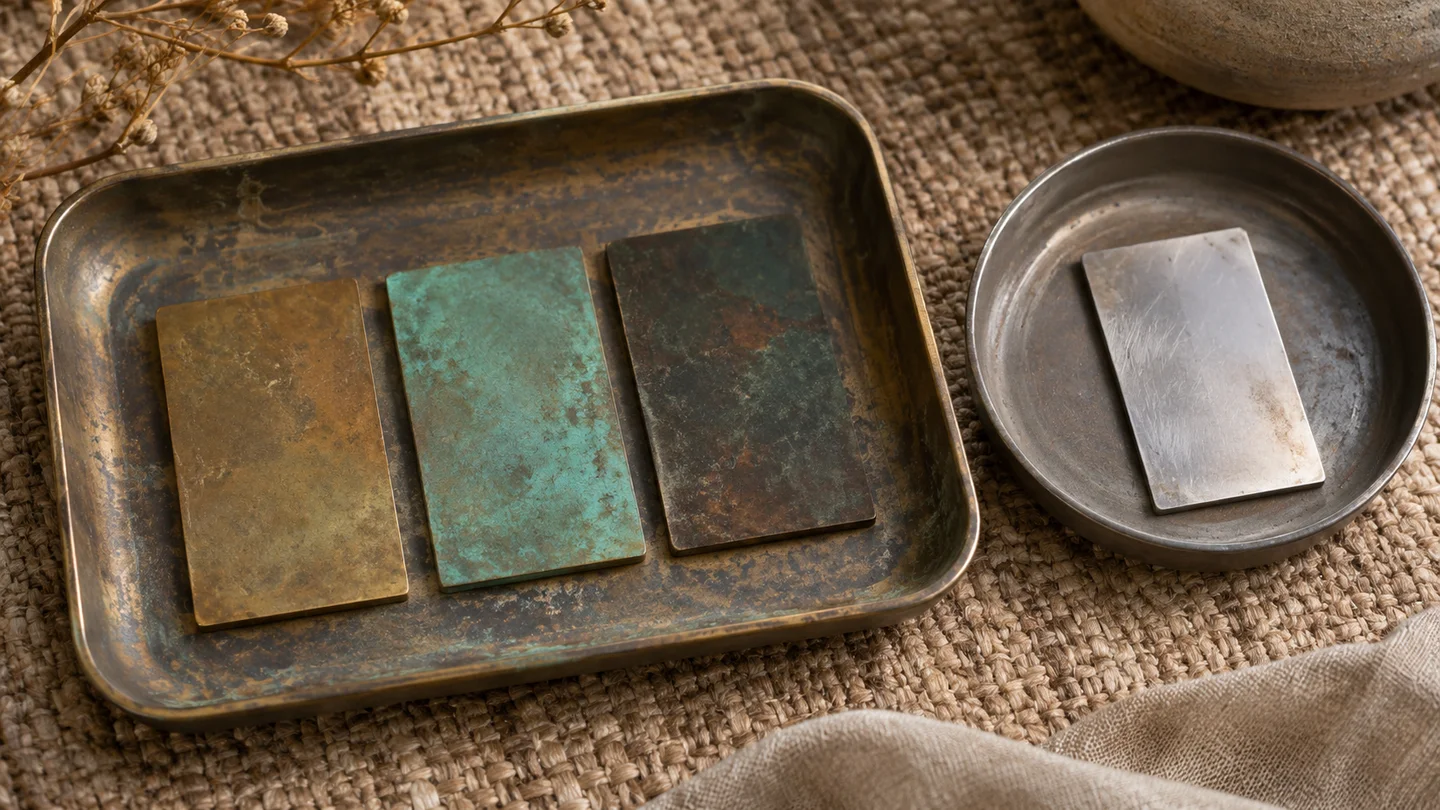
A patina or other finish sample records a visual agreement within the limits specified by the project. Document the sample reference, approving party, base material as stated for the sample, surfaces represented, lighting and permitted variation as applicable. Add the acceptance method for the actual work and how the buyer will handle an area that falls outside the agreed range. The reviewer should be able to see which aspects were judged by the physical sample and which rely on an identified written specification or other agreed evidence.
The public account of UAP's Floriate collaboration describes different pattern-making and modelling steps within a single commission before elements were cast. In a buyer audit, this supports mapping the records to each relevant component and process where the work varies. If the supplier offers a substitute or makes several pieces from one approved form, request a written statement of where the existing decisions apply. Connect any new material or finish decision to the relevant item, drawing and sample before the change takes effect.
Tie production evidence to a decision about the item
Agree the milestones where a named party will review evidence, such as appearance before release to manufacture, an agreed stage when a detail is still visible, or the pre-dispatch condition review. Give each hold point a clear decision owner, an evidence list and the scope that must wait for a recorded decision. If the buyer is watching progress remotely, request suitable context in each submission, including item identification, date, revision and the area shown. Agree which records require direct inspection or a qualified reviewer under the project terms.
| Checkpoint | Evidence owner | What the authorized reviewer records |
|---|---|---|
| Enquiry and authorization | Buyer and rights contact | Approved scope, source files and approval authority |
| Design release | Designer and maker | Accepted model or drawing revision and affected items |
| Material and finish | Supplier and design reviewer | Material evidence within scope and accepted sample reference |
| Production and dispatch | Supplier and inspection party | Release decision, supporting evidence and exceptions |
| Receiving and handover | Receiver, installer and facilities | Item identity, received condition, outstanding actions and ownership |
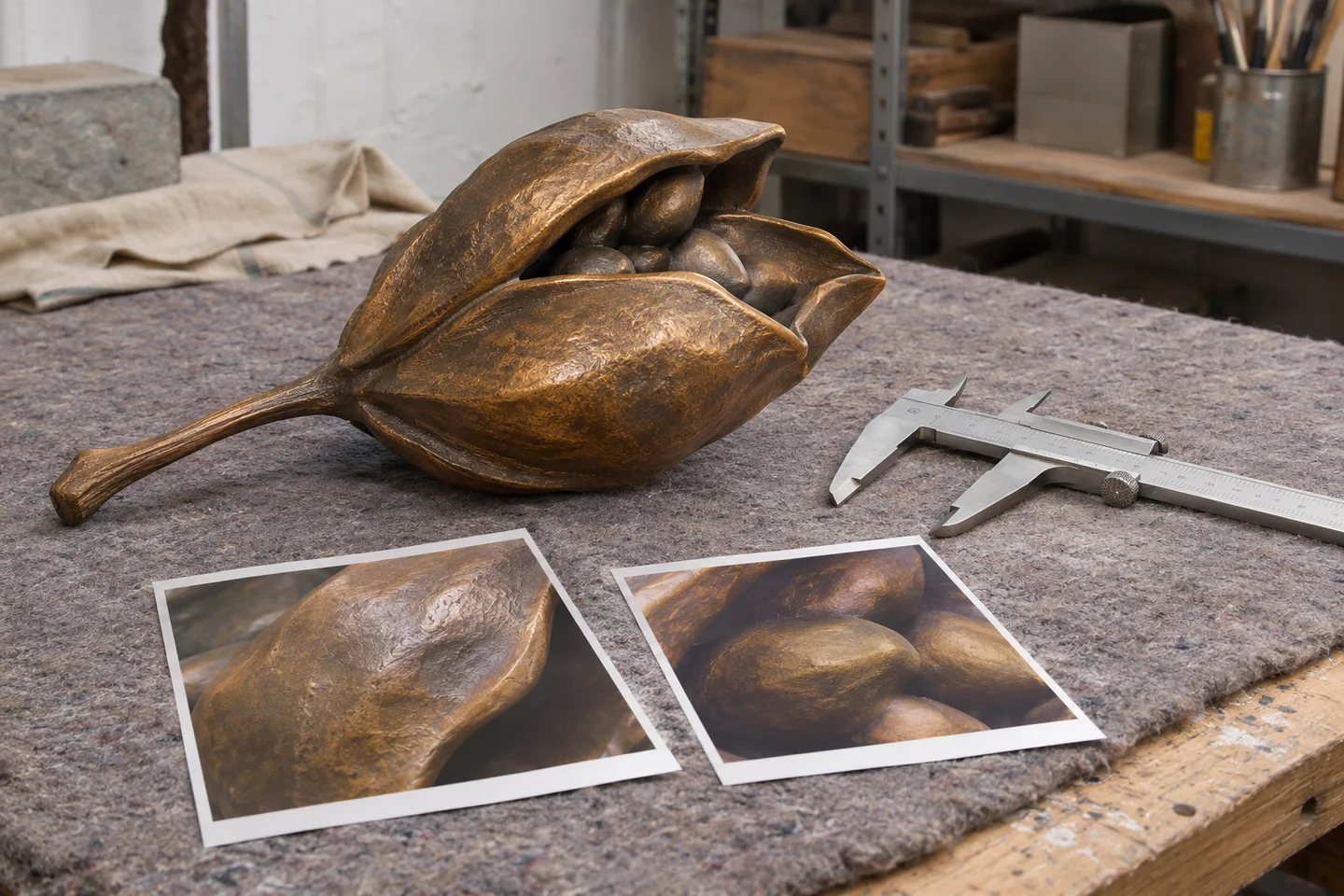
Photographs are particularly helpful for showing what a reviewer saw at a particular time. Include an overall view and any agreed detail views. If a measurement, material record or independent inspection is specified, ask for that evidence by reference. A reviewer needs enough context to identify when a close-up or report concerns a different part. If a commissioned third party issues a report with a scope limitation, carry that limitation into the decision and request follow-up where the agreed acceptance criteria require it.
Keep identity and condition visible through transport
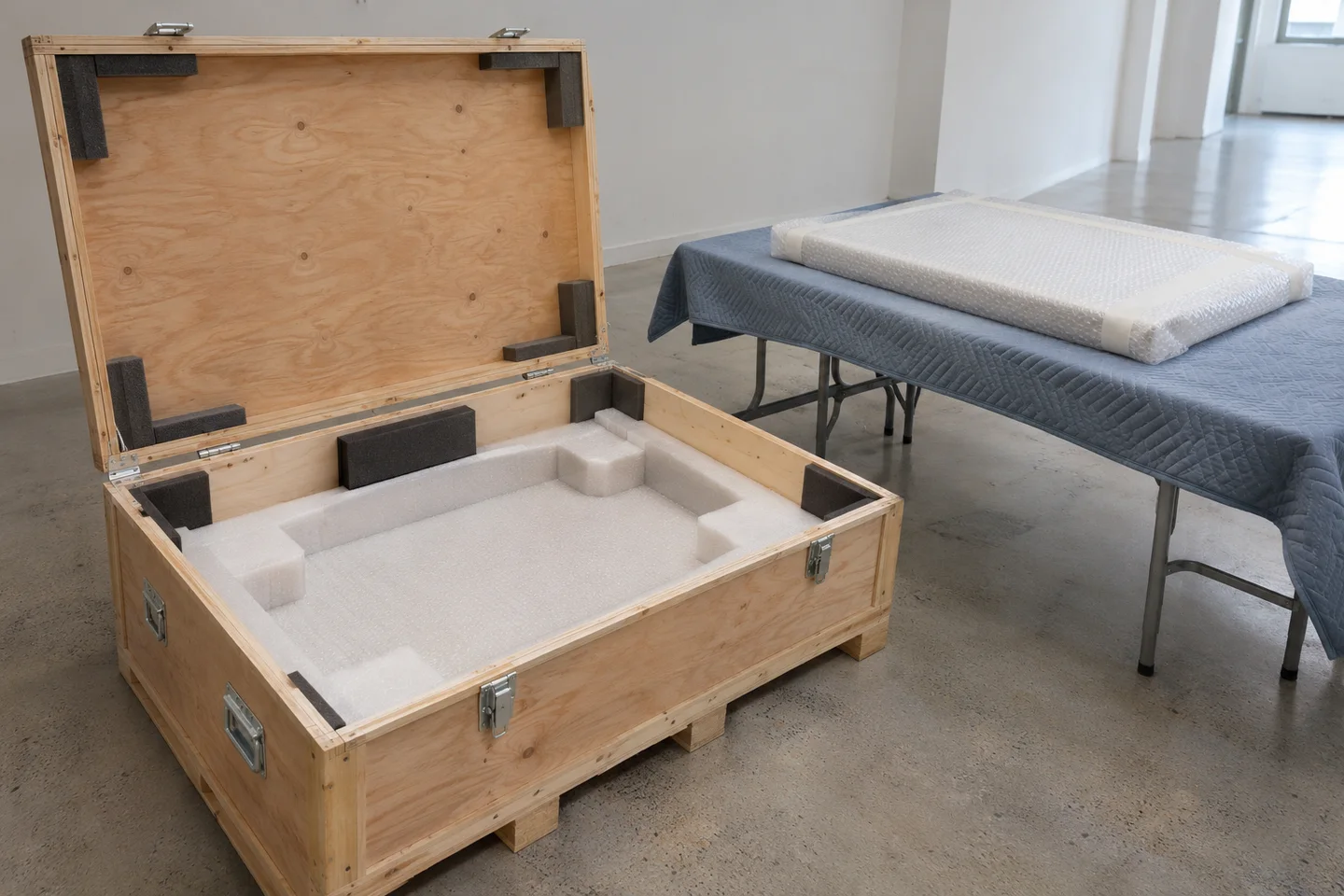
Link the released piece to its packing list, crate identifiers and assembly labels. If the sculpture ships in several parts, tell the receiving team which package holds each part, where any fittings or care instructions will be found and how the supplier identifies them. Link pre-packing and closed-package records by item and date. Name the party responsible for recording condition and deciding whether unpacking or onward movement should proceed under the project's receiving procedure.
A dispatch release records the state accepted for shipment under the agreed contract. Have the receiver create its own dated record at the agreed transfer, using the package identifier and the visible conditions. If the goods and records disagree, preserve both sets of evidence, note the discrepancy and involve the authorized party before making a decision on repair or acceptance. The arrival defect triage guide covers recording arrival issues. Keep the open issue linked to the originating brief requirement when it affects whether the item can be accepted.
Ask who will update the evidence index if a crate changes or hardware ships separately. A replacement delivery should have its own record with the relationship to the original item documented. If the protocol includes early notification to logistics parties, agree who sends it and where it is archived with the account of the condition.
Reconcile the record before facilities acceptance
At handover, compare each accepted requirement with the artwork and the current reference. Verify that local project reviewers supplied any agreed installation records, that the finish care instructions address the delivered surface, and that facilities can identify the installed work and service contact. Western Australia's government commissioning guidance describes written progress updates and completion documentation with images and maintenance information. For a custom order, identify these records at enquiry so they can be tied back to the production and acceptance decisions.
Run the audit in both directions. Starting with a finish requirement, find the approved sample, the relevant production evidence and the delivered care information. Starting with the installed work, trace its receiving record to the crate, the item release and the authorized drawings. In a hypothetical order, a receiving label may identify a later drawing revision than the one attached to the release. Check whether an authorized change actually links the two. Record which document or party will resolve the discrepancy and which downstream decisions are on hold.
Use the handover document pack guide to assemble what operations will receive. In the audit register, close each row with the decision, date and controlling record. Where the contract allows an exception, record the scope accepted, the person authorizing it and any follow-up period. An open item should stay visible at handover if the project has expressly allowed it to carry forward.
Add the register to the quote so each bidder can respond
For comparable offers, give each supplier the same version of the authorized artwork reference, quantity, environment, proposed material and finish, support information and delivery endpoint. Attach the evidence register with blank provider and reviewer fields if assignments are unsettled. Ask which evidence is included in the base offer, which can be priced separately and which is produced by the client or an independent party. Record the number of included review cycles where they affect the quote and how approved changes will be confirmed in writing.
Use one worksheet row per requirement or acceptance decision. Tie that row to the item and revision and include a link or identifier for the evidence. Keep the person who issues a record distinct from the person who accepts it. During review, mark specifically whether the record is awaiting receipt, awaiting review, accepted, superseded or held for resolution. Use the evidence index during project calls and reserve written release for the authorized reviewer. By the final call, every accepted item should be traceable from the enquiry baseline to the records that operations receives.
Download the sculpture procurement evidence register
Download the editable CSV worksheet. Add one row per acceptance requirement. Link the governing revision and the evidence, identify who can approve it, and carry any open exception through to the receiving team.
Browse custom bronze and metal-alloy sculpture and send the project brief for a scoped inquiry.
FAQ
What is a sculpture procurement documentation audit?
It is a review of how the approved brief and quote carry through each release to the delivered artwork. It checks which documents apply to each item, who accepted them, and whether an exception affected later work.
Do all metal sculpture orders need the same material reports?
Specify the reports that the buyer, contract or appointed reviewer requires for the actual project. Agree who supplies them and how they will be linked to the relevant item or part before assuming they are included in a quote.
Can the finish sample approve the whole sculpture?
Define the sample's scope expressly. It can govern the agreed appearance characteristics, surfaces and tolerances. Form, material identity, the site interface and the delivered condition may each have their own acceptance record.
What if two files disagree on the latest revision?
Record the conflict and identify the person who can confirm which revision was released for the named work. Check which subsequent records depended on it and reopen their review where the difference affects an acceptance requirement.
Who keeps the records after installation?
Give the facilities team access to the accepted drawings, care information, item and service references, and any unresolved commitments they own. Agree separately who keeps restricted design and authorization files and how an authorized person can retrieve them.