Hotel Sculpture Procurement Timeline: Approval Gates Before Opening
A hotel may have a public opening on the calendar and an earlier deadline for the lobby to be cleaned, photographed and handed over. For the artwork package, those are different milestones. This guide shows how to find the site and design decisions that control each one before asking suppliers for dates.
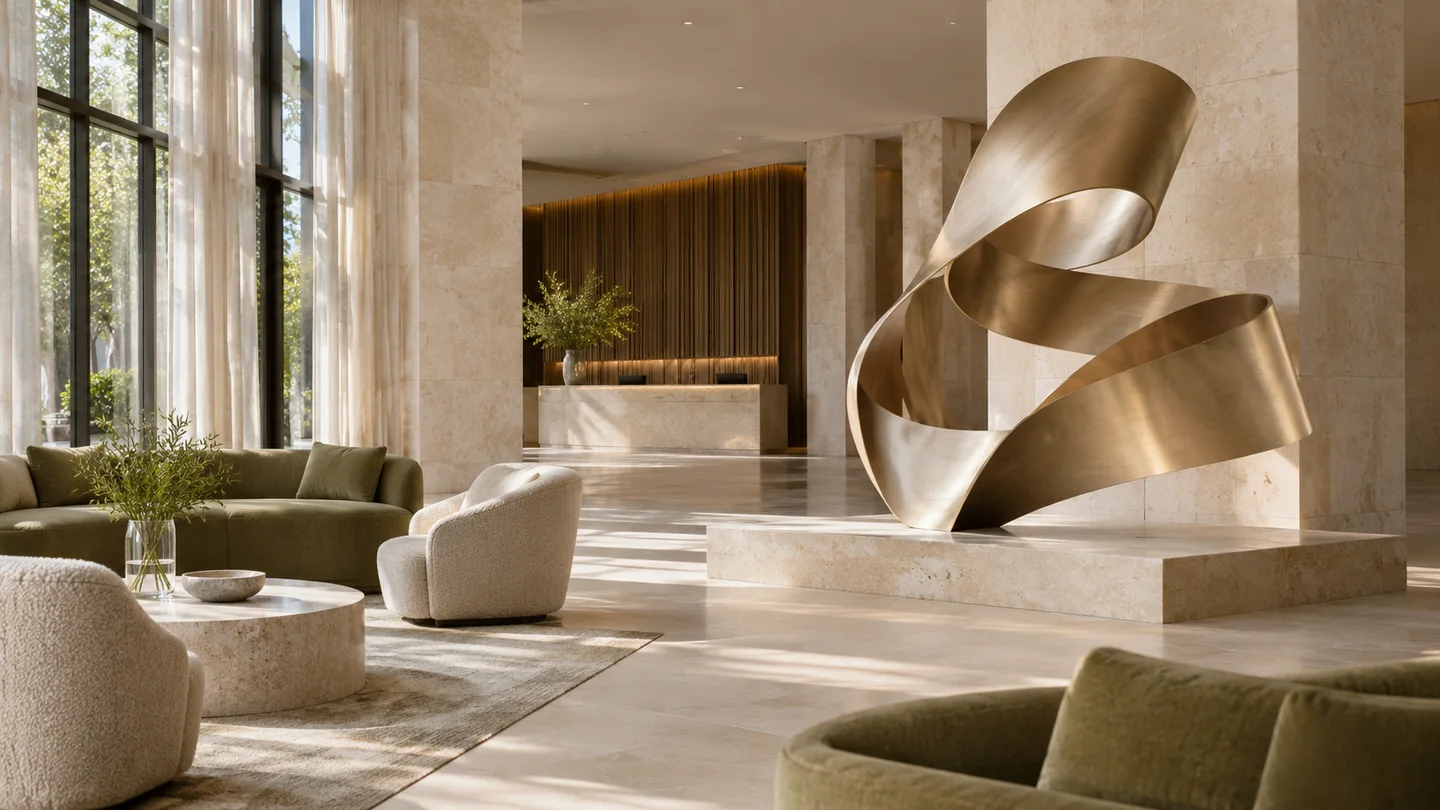
Define what has to be ready for opening
Start with a conversation between procurement, the interior designer and hotel operations. Ask when the lobby or outdoor arrival area must be safe, clean and available for staff induction, photography, a preview or the first guests. One of those events may control the artwork deadline even if it occurs before the announced opening. Record both the public opening and the latest acceptable installed-and-accepted date, along with the person who can move each. If there are several pieces, identify which ones must be present on day one and which the operator can receive later.
Use one schedule row per decision or deliverable, with a responsible party, a named approver, a predecessor and a date basis. Use distinct labels for a buyer target, a provisional supplier estimate, a reserved site window and a written commitment. Add a date of confirmation and make clear what could invalidate it. A quote that mentions dispatch and a hotel schedule that shows installation can both appear on track while leaving the entire transport and receiving sequence unassigned.
This approach suits hotel owners, designers and purchasing teams coordinating a custom lobby centrepiece, an entrance feature or an artwork with a base tied to the fit-out. A freestanding piece in a room already under hotel control may have fewer interfaces. For a large lobby or courtyard work, identify the decisions shared with the building team on day one and put those milestones in the main fit-out programme.
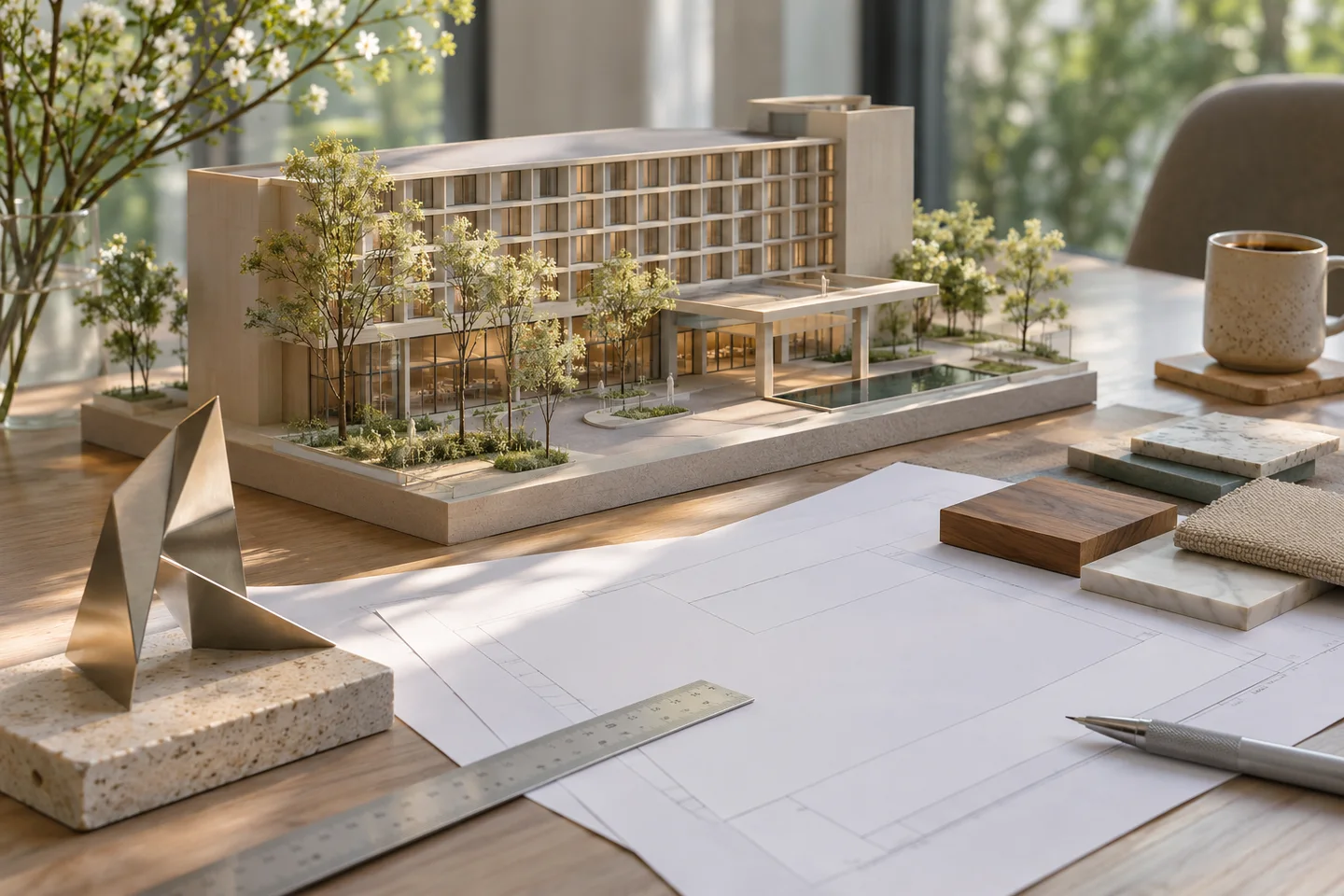
Work back from the last usable installation window
Ask the site lead for a usable installation slot with a start and finish, a named person who can book it and an explicit list of prerequisites. Request the latest drawing and ask who verifies the actual route from unloading to final position. Include staging, storage restrictions, floor protection, lift availability, exceptions to work hours and access after public areas open. A drawing may show a clear corridor while deliveries or an access restriction make it unavailable on the intended day. Have the site lead confirm what needs a new survey once finishes and fixed furnishings are in place.
Work backward from that slot in reverse order. What must operations see before the area can reopen? When does the shipment need to be at the receiving point so the team can unpack and inspect it before work begins? What is the latest dispatch that gives the transport team the time they confirmed for the route, including any border, appointment or onward-carriage arrangements they actually own? Record both the interval and its source. If a transport partner has not validated the route, preserve the uncertainty on the timeline and ask when they can do so.
Use the hotel sculpture access survey to collect physical constraints. On the schedule, put the survey and the installation booking in separate rows. When the same corridor will be handed over to the operator before the artwork moves through it, designate who will keep it available or authorize a later window. Carry that dependency into the next schedule review.
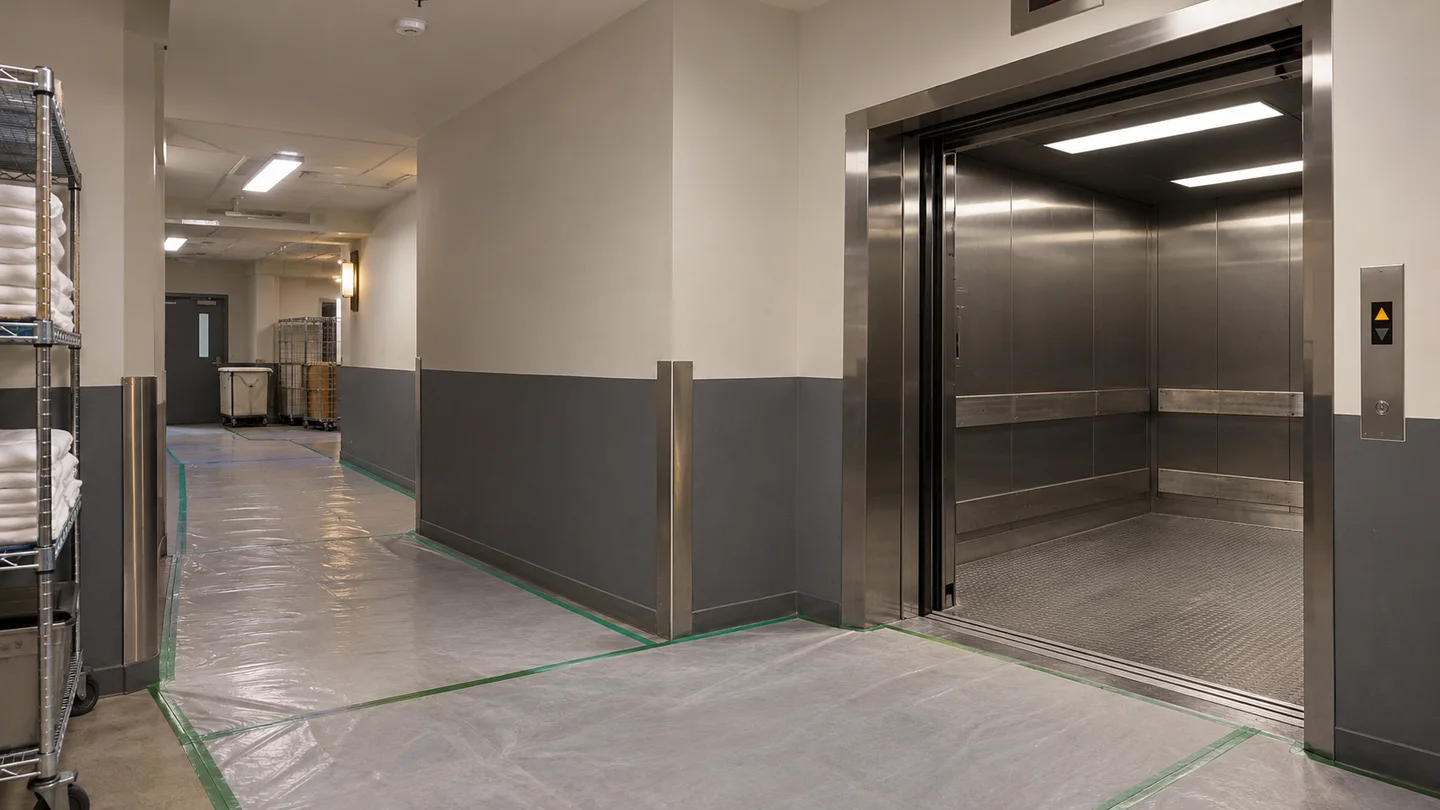
Compare procurement routes while the design can still change
Evaluate a fully custom piece and a catalogue-led adaptation against the same opening requirement. For a new sculptural form, ask which submissions the studio expects before it can release material and shop work, and who can approve artistic changes. For a catalogue-led option, compare the reference dimensions, finish, quantities and base arrangement with the site brief. A change in size may alter the packing envelope, the base interface or the detail that can be retained from the reference. Confirm which tasks still require samples, drawings and local review under each route.
Review custom decorative metal sculpture references with the designer to show the supplier what kind of fabrication and finish you want quoted. State the visual priority in concrete terms, such as which face the guest first sees, whether a joint is visible from the mezzanine or how strongly the surface should reflect the surrounding lights. Give bidders the same priorities and ask them to explain which approval steps their price and schedule include. Separate any optional early studies from the purchase of the completed artwork.
Do not assume a different material or process solves a calendar conflict. Ask the supplier what decisions a proposed alternative would reopen and whether the owner, designer and site reviewer can revisit them before the required release. The award decision should record which version was priced, the unresolved assumptions and the scope actually authorized.
Match approval dates to the design stage
Use the project design team's milestone names. The RIBA Plan of Work 2020 overview distinguishes briefing and concept from spatial coordination and technical design, then moves into manufacture, construction and handover. It also describes the overlap between technical design and manufacture on projects. Use that distinction to ask which drawings can be reviewed in parallel and which pieces of work must wait. The hotel's contract and approvals determine the actual interfaces.
At concept stage, confirm intended location, viewing directions, rough envelope and who can approve revisions. During spatial coordination, obtain a current base and surrounding floor or wall drawing, identify who issues interface data and ask who will check it against the site. During technical design, make separate approval rows for appearance and for the building interface, even if both are needed before the same release. For a finish sample, document the sample identifier, viewed conditions and which faces it governs. For the interface, record the exact revision reviewed by the appointed parties and the status of their comments.
In its Floriate project account, UAP describes a progression from artist selection and briefing to model development, fabrication and installation for a theatre project. The sequence illustrates why an owner may need to schedule several decisions between choosing a design and making the final piece. A hotel team can identify those decisions during enquiry, when the alternatives are still discussable. Where a project relies on coordinated site work, check when the builder requires upstream information even if the sculpture itself can be installed later.

Assign approval authority and make the handoffs visible
Treat the following as a starting responsibility table. Populate each role with a named person and a delegate, using the actual contract to settle the scope of each approval. Give reviewers both the required decision date and an earlier submission date. Allow for comments, a revised submission and a review meeting on the actual team calendar, including planned absences and time-zone differences.
| Decision | Information owner | Release or acceptance decision |
|---|---|---|
| Opening readiness | Hotel operations and project manager | Confirm when the installed zone must be available |
| Concept and finish | Designer and fabricator | Named appearance reviewer accepts an identified version or requests changes |
| Base and site interface | Design and site leads, with fabricator inputs | Appointed local technical reviewer confirms the interface within their remit |
| Manufacture and dispatch | Supplier and inspection party | Buyer or delegated reviewer clears the agreed hold points |
| Receiving and installation | Site lead, transport provider and installer | Named site and operations contacts confirm slot and acceptance requirements |
The Western Australian government’s commissioning guidance discusses regular written progress and a completion record with images and maintenance information. For a hotel programme, ask the vendor when a reviewer will see progress evidence and ask operations when they need the care material. This puts the documentation work on the calendar while the people producing it are still available. Set up a route for consolidated comments so the maker can identify which review instruction governs.
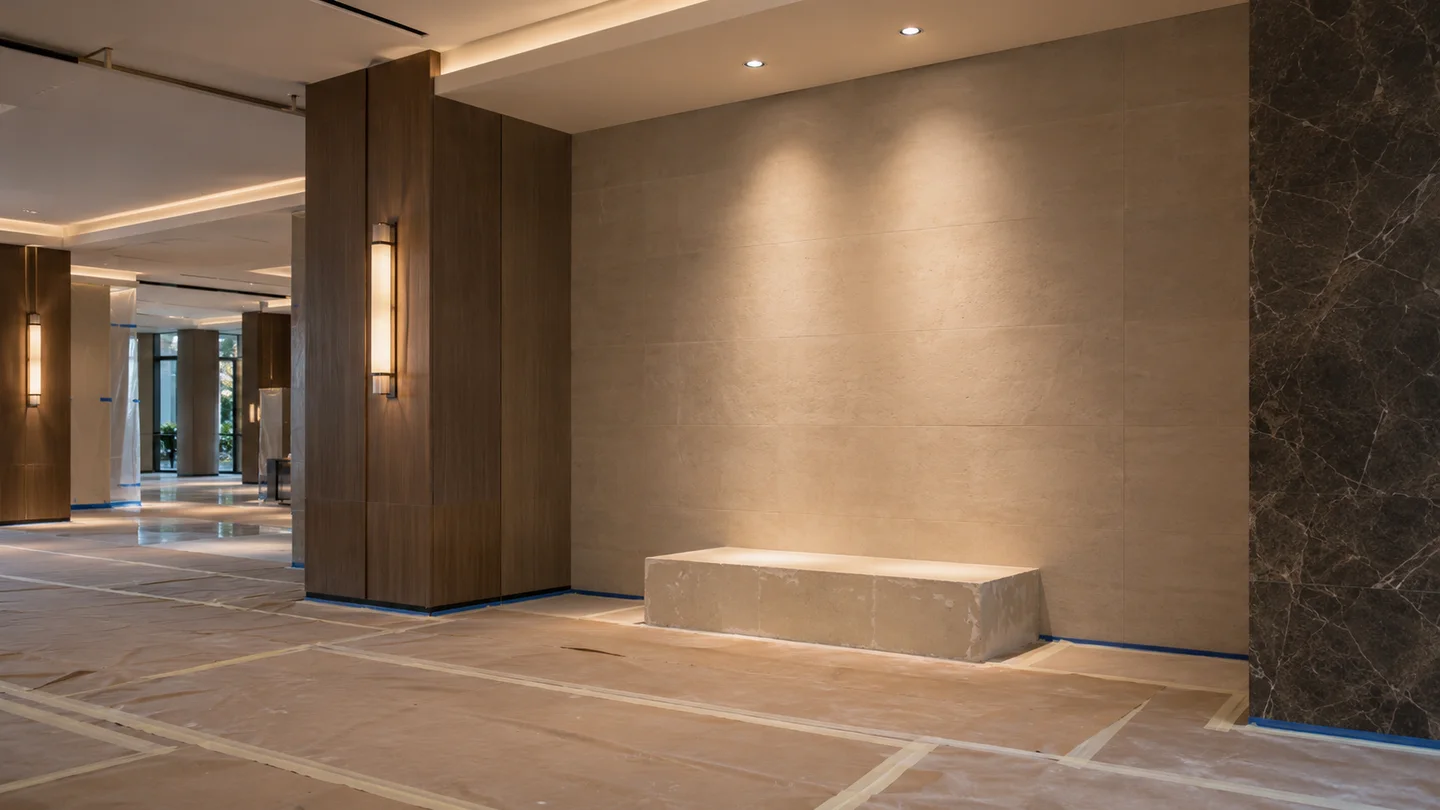
Test the schedule before releasing the purchase
Run a project example in the worksheet using your team's real dates. Suppose the hotel offers one receiving window before its guest preview and the builder has reserved a much earlier date to close the floor. The programme now has two constraints. Work backward from the preview for inspection, delivery and handover, and from floor closure for the base interface drawing and technical review. Place the earlier controlling date against each affected decision. If local interface review moves past the closure date, identify which work is on hold and ask the builder for an approved resequencing option.
Calculate a latest predecessor date only when its successor date and the required interval are known. Subtract the confirmed interval using the relevant calendar and note which holidays, transport schedules or site hours it includes. Where two workstreams both have to finish before dispatch, track them separately and use the later forecast completion when testing that dispatch milestone. A reserve for a recoverable delay belongs beside the activity that uses it. Preserve the difference between a reserve, a supplier estimate and a booked appointment so the team can see what may change.
If the forecast no longer fits, ask the hotel owner to decide among feasible options before any additional work is authorized. Choices might include a phased opening with the art area closed, a revised sculpture scope accepted by the designer and reviewers, or a later agreed installation. The site lead must confirm that any alternative is workable. Reissue the affected decisions with the revised dates and notify the people whose commitments relied on the previous version.
Issue a quote brief with the dates and their conditions
Include the target opening, the last acceptable installed date, current design stage, quantity, location, destination and the latest drawing or authorized reference. Attach any confirmed receiving window or known programme constraints. State what the supplier should include for models, review rounds, finish submissions, technical interface information, packing, freight and site work. Mark excluded services and unresolved tasks explicitly so quote comparisons use a common basis. Ask each bidder to identify milestones it controls and third-party decisions that would affect its forecast.
In the worksheet, put a named decision owner next to each missing input. An unanswered question about the base goes on the row that needs it, with its next review date and the point beyond which the project cannot proceed without that answer. Use the supplier clarification log to disposition disputed inclusions. Keep the quoted baseline and the accepted changes so your next schedule review can explain why a date or scope moved.
Before award, compare the expected time needed to obtain customer approvals with the days actually available to the designated approvers. Ask what happens if a sample is returned for revision and whether another site slot exists if the first is missed. Where a bidder can provide a staged proposal, agree the extent of each release and the documents the team needs to authorize the next stage.
Download the hotel sculpture approval timeline
Download the editable CSV worksheet. Work from the installed-and-accepted date. For each row, name its predecessor and record the calendar and source behind any interval. The worksheet is a scheduling template for your own confirmed inputs.
Browse metal sculpture fabrication options and send the project brief for a scoped inquiry.
FAQ
When should a hotel start sourcing custom sculpture?
Start while the design still permits a meaningful discussion about form, location and the building interface. Ask for an early scope and decision programme, then request a dated proposal when the supplier and project team can confirm the inputs for the work they control.
Which date goes at the top of a backward schedule?
Use the latest time operations will accept a completed installation in the relevant zone. Record the public opening separately. Site work may have to finish earlier for cleaning, staff access, photography or a closed preview.
Can the purchase order reserve a slot while the sample is pending?
Ask the supplier what a reservation would cover and document the allowed scope, costs, expiry and conditions in the order. Assign a separate written decision for any fabrication that depends on approval of the sample or the interface.
What if the freight slot is firm but the hotel is unavailable?
Record the two dates independently and ask which party can authorize a change. Review storage, responsibility, receiving inspection and insurance against the contracted scope before agreeing to a revised route or slot.
What does a release date depend on?
It depends on the drawings, samples and decisions required for the work being released. Identify their revision, reviewers, outstanding conditions and deadlines. Record the authorized scope even if adjacent work can continue independently.